Follow Us on Google
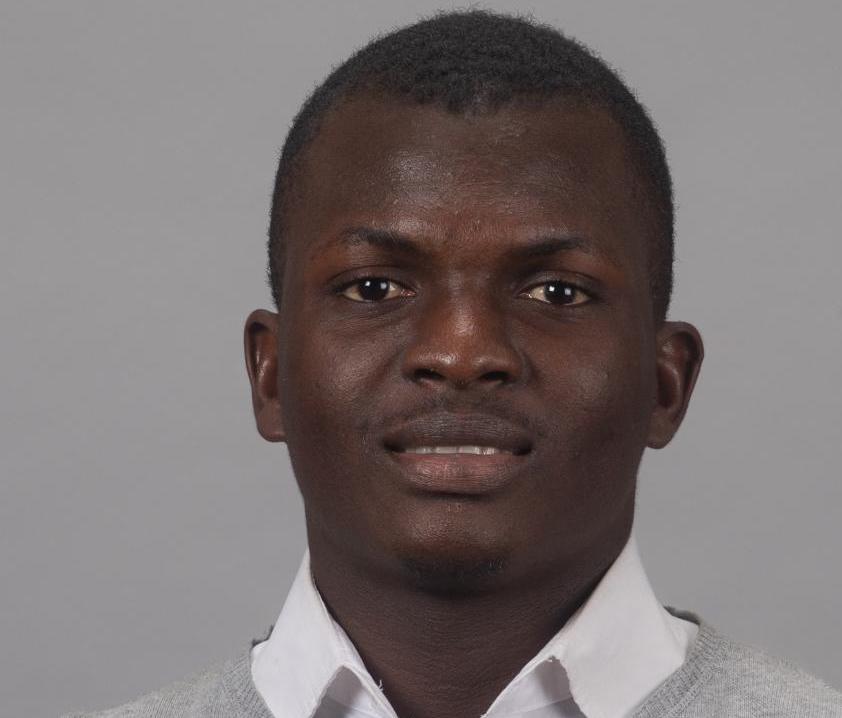
By Kareem Islamiyat
A leading expert in Microbiology and Immunology, Oluwagbenro Adesunloro is making significant strides in the global fight against antimicrobial resistance (AMR), a growing public health crisis that threatens to render common infections untreatable. From his early fascination with biology to his groundbreaking research on antibiotic-resistant pathogens, Adesunloro has demonstrated unwavering commitment to finding sustainable solutions to infectious diseases.
His scientific journey began in high school, where he emerged as the best student in biology and the overall best graduating student. “My deep curiosity about living organisms and their interactions with humans laid the foundation for my interest in health and disease,” he said. This early passion led him to pursue a degree in Microbiology at Obafemi Awolowo University, Nigeria. There, he began exploring the use of plant extracts as antimicrobial agents, discovering their potency in inhibiting microbial growth—an experience that further ignited his enthusiasm for antimicrobial research.
Today, Adesunloro’s work focuses on one of the most pressing challenges in infectious disease research: the antibiotic resistance mechanisms of Uropathogenic Escherichia coli (UPEC), a major cause of urinary tract infections (UTIs). Utilizing molecular techniques, animal models, and phenotypic assays, his research aims to uncover the biological pathways that make these bacteria resistant to treatment—ultimately identifying new therapeutic targets.
“UTIs are a global health burden, particularly for women who often suffer recurrent infections,” he explained. “Men, while less frequently affected, can experience more severe complications like kidney or bloodstream infections. The resistance to existing antibiotics is worsening the situation, leaving vulnerable populations with limited options.” Adesunloro’s goal is to uncover novel drug targets that can pave the way for more effective therapies, reducing dependence on conventional antibiotics and improving outcomes for patients worldwide.
Beyond his laboratory achievements, Adesunloro is deeply committed to mentorship and scientific equity. “I owe much of my success to mentors who generously guided me,” he shared. “I now mentor aspiring scientists in Nigeria and the U.S., especially those from underrepresented backgrounds, helping them navigate academic and career challenges.” This commitment to mentorship is not only a reflection of his gratitude but also a deliberate effort to diversify and strengthen the future of scientific research.
His personal values and faith are also central to his resilience and sense of purpose. “My faith provides me with strength and perspective. It has helped me maintain balance throughout my career,” he said. Alongside his scientific endeavors, he emphasizes the importance of spending quality time with family and friends to maintain a healthy work-life balance.
Looking to the future, Adesunloro envisions a multifaceted approach to combating antimicrobial resistance. “I want to bridge the gap between lab research and real-world therapeutic applications. My long-term goal is to develop innovative treatments that are also accessible to underserved regions,” he noted. He also hopes to collaborate with policymakers to shape antibiotic usage guidelines and create large-scale public health strategies to combat AMR.