Follow Us on Google
The fight against HIV/AIDS, tuberculosis and malaria in Rivers State has received a major boost through community-led interventions addressing systemic gaps in healthcare delivery.
This was contained in the 2026 Integrated Community-Led Monitoring (I-CLM) Success Stories and Impact Report presented in Port Harcourt on Wednesday by the State Coordinator of Civil Society for Malaria Elimination, Immunisation and Nutrition (ACOMIN), Mr John Ihua Maduenyi.
Maduenyi noted that Nigeria ranks among the top 30 countries burdened by TB and TB-HIV co-infection, has the highest number of malaria cases globally and the second-highest HIV/AIDS burden, a situation worsened by co-infections, poverty, poor access to health facilities and out-of-pocket expenses that discourage care-seeking among vulnerable groups.
He said the ATM Networks are collaborating with the Institute of Human Virology (IHVN) as Principal Recipient of the Global Fund I-CLM Grant Circle 7 Grant, funded under the COVID-19 Response Mechanism, to strengthen health systems through community and civil society organisations (CSOs) participation.
According to him, the community-led monitoring approach empowers stakeholders to take ownership of HIV, TB and malaria interventions by identifying service delivery gaps, prioritising needs and advocating for improvements.
He disclosed that the project is implemented in 105 LGAs, 315 wards and 315 health facilities across 21 states, including Rivers, Ogun, Delta, Ekiti, Lagos, Cross River, FCT, Edo, Anambra, Kaduna, Kano, Jigawa, Nasarawa, Plateau, Kwara, Ondo, Oyo, Bauchi, Gombe and Sokoto, shared among TB Network (11 states), ACOMIN (13 states) and Network of People Living with HIV/AIDS in Nigeria (NEPWHAN) (13 states).
Reviewing activities in Rivers State from November 2025 to September 2026, Maduenyi listed key achievements, including improved TB service delivery after provision of a weighing scale on 16 September 2026, which stopped clients from going to the outpatient department for weight checks before drug refills.
Other News
He said the project also improved health data quality after identifying incomplete registers and documentation gaps in HIV, TB and malaria services, leading to a step-down training by the CBO programme officer for the health information officer.
Other successes, he said, included the restoration of electricity at a health facility following advocacy involving the Ward 11 councillor, and strengthened TB coordination with engagement of a TB directly observed treatment focal person for follow-up.
He added that outreach activities in 12 communities in Port Harcourt, Ogba/Egbema/Ndoni and Obio/Akpor LGAs from February to September 2026 reached 1,187 persons, detected two HIV-positive clients referred for treatment, 144 TB presumptive cases sent for diagnosis, and provided malaria testing and treatment, with support from Dawn of Life Initiative.
Maduenyi further said lack of National Identification Numbers (NIN) was identified as a barrier to Rivers Contributory Health Insurance Programme (RIVCHIPP) enrolment in Aggah and Erema communities in ONELGA, prompting RIVCHIPP to pledge NIN registration support, while calling on the council chairman to collaborate.
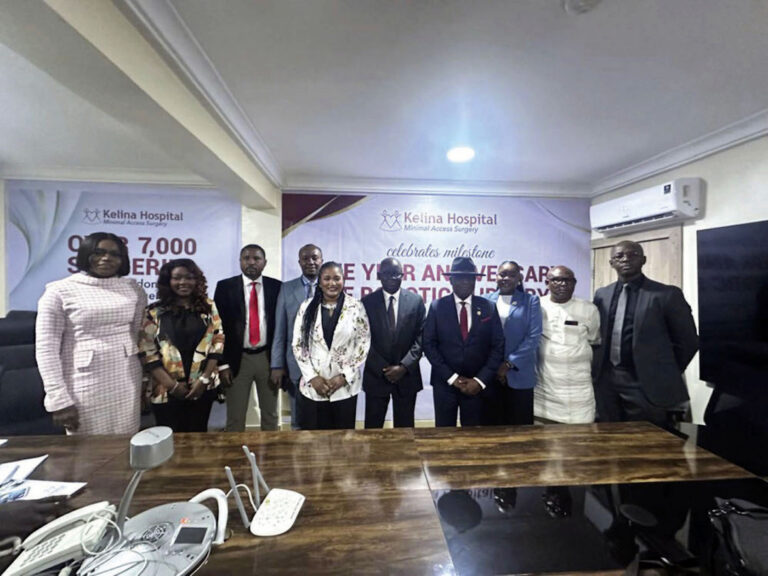
In their remarks, State Coordinator of NEPWHAN, Mrs Blessing Chigozim, and Programme Officer of IHVN, Panti Albert, emphasised continuous training and retraining of health workers, staff accountability and stronger collaboration between networks and government to close service gaps.
The stakeholders called for extension of National Health Insurance to the poor and vulnerable, adequate funding for primary healthcare, sustained health education, increased resource commitment and active community support for PHCs, alongside concerted action against gender-based violence.