Follow Us on Google
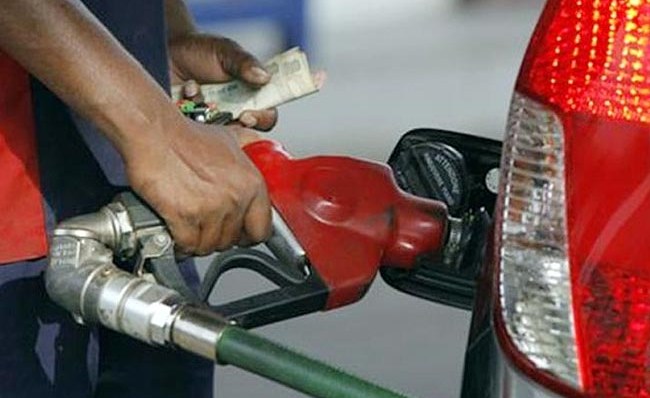
Fresh concerns over an imminent spike in petrol prices in Nigeria and other importing nations emerged at the weekend following reports that Iran has again shut the strategic Strait of Hormuz, a strategic international shipping route.
This latest shutdown comes barely 24 hours after it was reopened on the heels of a ceasefire arrangement with the United States.
According to a New York Post report which quoted the Islamic Revolutionary Guard Corps (IRGC), Iran cited a continued presence of United States forces in the region and Israel’s refusal to pull military forces out of southern Lebanon, where it had been pounding Hezbollah terrorists.
The IRGC said the US violated the memorandum of understanding between Washington and Tehran, which President Donald Trump and Iranian President Masoud Pezeshkian signed last Wednesday.
The latest development has revived fears of disruptions to global crude oil supplies and a fresh rally in international oil prices, a scenario that could shake Nigeria’s downstream petroleum market.
The Strait of Hormuz remains one of the world’s most critical energy corridors, serving as the transit route for nearly a fifth of global oil consumption.
Any disruption along the waterway typically triggers nervous reactions in oil markets and raises concerns over energy security.
Industry observers warned that a prolonged closure could push crude oil prices higher, increase the cost of imported petroleum products and ultimately force a fresh upward adjustment in petrol prices across Nigeria.
For many Nigerians already grappling with high transportation and living costs, another spike in fuel prices would deepen existing economic pressures.
“The last disruption in the region contributed to rising fuel costs and higher transport fares. Any renewed closure is likely to worsen the burden on consumers and businesses,” a transport operator in Lagos told Daily Sun.
The renewed tension comes at a time when expectations had been building around further reductions in domestic fuel prices following a decline in international crude oil prices.
The National President of the Petroleum Products Retail Outlets Owners Association of Nigeria (PETROAN), Billy Gillis-Harry, argued that falling crude prices and declining landing costs should translate into lower petrol prices at depots and filling stations.
According to him, Brent crude had retreated to about $77 per barrel after the ceasefire between Iran and the United States eased concerns over supply disruptions. The decline had strengthened expectations that marketers and consumers would benefit from another round of fuel price reductions.
However, the fresh closure of the Strait of Hormuz now threatens that outlook.
Other News
PETROAN argued that increased competition in the downstream market, supported by continued issuance of import licences and improved refining capacity, remains critical to keeping fuel prices stable.
The association also renewed calls for reforms aimed at improving the efficiency of Nigeria’s refineries, arguing that stronger local refining capacity would help cushion the economy against future global supply disruptions.
For his part, African Head of Fuels and Refining at S&P Global Energy, Mr.Stanislas Drochon, said it will take time for the market to normalise, stressing that the industry should still expect a degree of volatility.
According to him,the market remains tight, especially as we are also entering the peak driving season in the Northern Hemisphere.
“While we expect the market to rebalance reasonably well by the end of the year, the process will not happen overnight.
Even if affected facilities were to resume full operations immediately, the impact would not disappear instantly.
He added that Crude cargoes still have to be shipped to refineries, including some in Asia and Nigeria. “We are talking about journeys that take several weeks before refined products can reach Europe and, in some cases, be re-exported to other destinations.
“As a result, the adjustment process could take quite some time.
“I do not have a crystal ball and would rather avoid making forecasts. The key point is that there is likely to be continued volatility over the coming weeks as the market works through the rebalancing process,”.
Also commenting, the Managing Director of Menel Integrated Services, an upstream oil service firm, Mr. Samuel Owasi, noted that any prolonged disruption could quickly reverse the recent downward trend in crude prices, pushing Brent higher and increasing the cost of fuel imports into Nigeria.
Although he said higher crude prices may boost Nigeria’s oil export earnings, he, nevertheless, cautioned that the gains could be outweighed by the impact of rising petrol prices on inflation, transportation costs and household spending.
“Nigeria continues to rely significantly on imported petroleum products despite growing domestic refining capacity. As a result, developments in the international oil market remain a major determinant of local fuel prices,”, he noted.
He added that the renewed uncertainty also exposes the country’s vulnerability to external supply shocks, underscoring the need to accelerate investments in domestic refining and strengthen energy security.
Owasi maintained that with traders closely monitoring developments in the Middle East, the direction of crude oil prices in the coming days may determine whether Nigerians enjoy further relief at the pump or brace for another round of fuel price increases.