Follow Us on Google

The growing creator economy was spotlighted in Enugu on Monday, 9th February 2026 as Hallos, a live-learning and creator-focused platform, hosted a media parley to draw attention to new income opportunities for young people beyond traditional jobs.
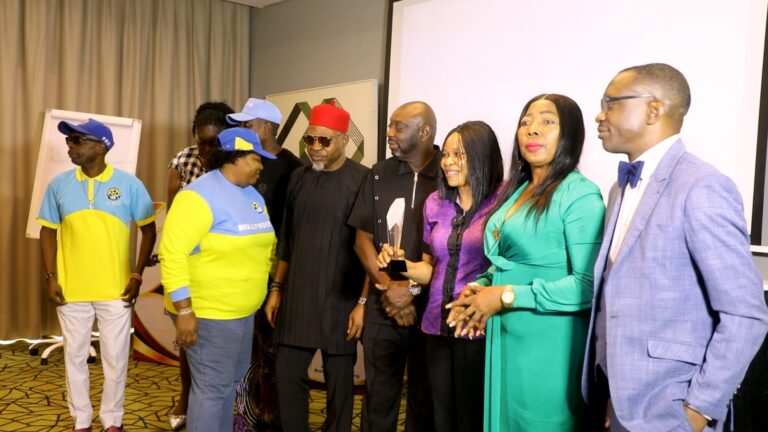
The event, held at Sunshine Hotel Enugu, featured journalists from television, radio, print, and online platforms to discuss how digital creativity, skills, and knowledge-sharing are opening doors for youths to earn sustainable income, often well above Nigeria’s minimum wage.
Speaking during the engagement, representatives of Hallos described the creator economy as one of the fastest-growing employment sectors globally, driven by digital platforms and low barriers to entry. They explained that with basic tools such as a smartphone, internet access, and a skill, young people can now earn from content creation, live tutoring, digital coaching, podcasting, and other online services.

“The creator economy is no longer just about entertainment,” one Hallos representative said while addressing journalists. “It is about skills, knowledge, and value. Young people can teach, create, and share what they know, and people are willing to pay for that.”
The discussion highlighted how the creator space cuts across many areas, including content creation, video editing, graphic design, digital marketing, music, performance arts, e-commerce, and online community management. According to Hallos, these activities form a wide value chain that also supports behind-the-scenes jobs in production, technology, and management.
Other News
Journalists were told that globally, the creator economy is already worth hundreds of billions of dollars, with millions of creators earning steady income from their work. Hallos said its goal is to make these opportunities more accessible to African youths by providing a structured platform for learning, monetization, and audience engagement.
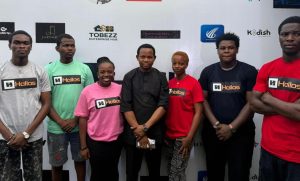
Hallos also introduced its platform to the media, explaining that it combines live learning sessions, quizzes, merchandise sales, community engagement, and voluntary fan donations in one space. Through the platform, creators can host live classes, organise paid sessions, sell branded items, and receive direct support from their audiences.
The media parley recorded strong attendance from major media organisations.
During the interactive session, journalists raised questions on how young people can earn consistently in the creator economy, the need for proper digital skills training, and how platforms like Hallos can help creators avoid common pitfalls. There were also discussions around the role of the media in telling positive creator success stories and the need for policy support to help the sector grow.
Many participants expressed optimism that the creator economy could help reduce youth unemployment by offering alternatives to limited formal sector jobs.
Hallos used the opportunity to call on government agencies, educational institutions, media organisations, and private sector players to support the growth of the creator ecosystem. The platform noted that with the right awareness, infrastructure, and partnerships, the creator economy could absorb a large number of unemployed youths, promote African culture globally, and increase digital income for young people.
As Nigeria’s digital economy continues to expand, Hallos said initiatives like the Enugu media parley are part of efforts to create awareness and help young people see creativity and knowledge as real economic assets.
The media engagement brought to limelight the Summit, scheduled to take place on February 12, 2026, at the University of Nigeria, Enugu Campus (UNEC), where further conversations on skills, digital work, and creator opportunities are expected to continue.