Follow Us on Google
• 40% of under-five children stunted as think tank demands accountability in nutrition spending
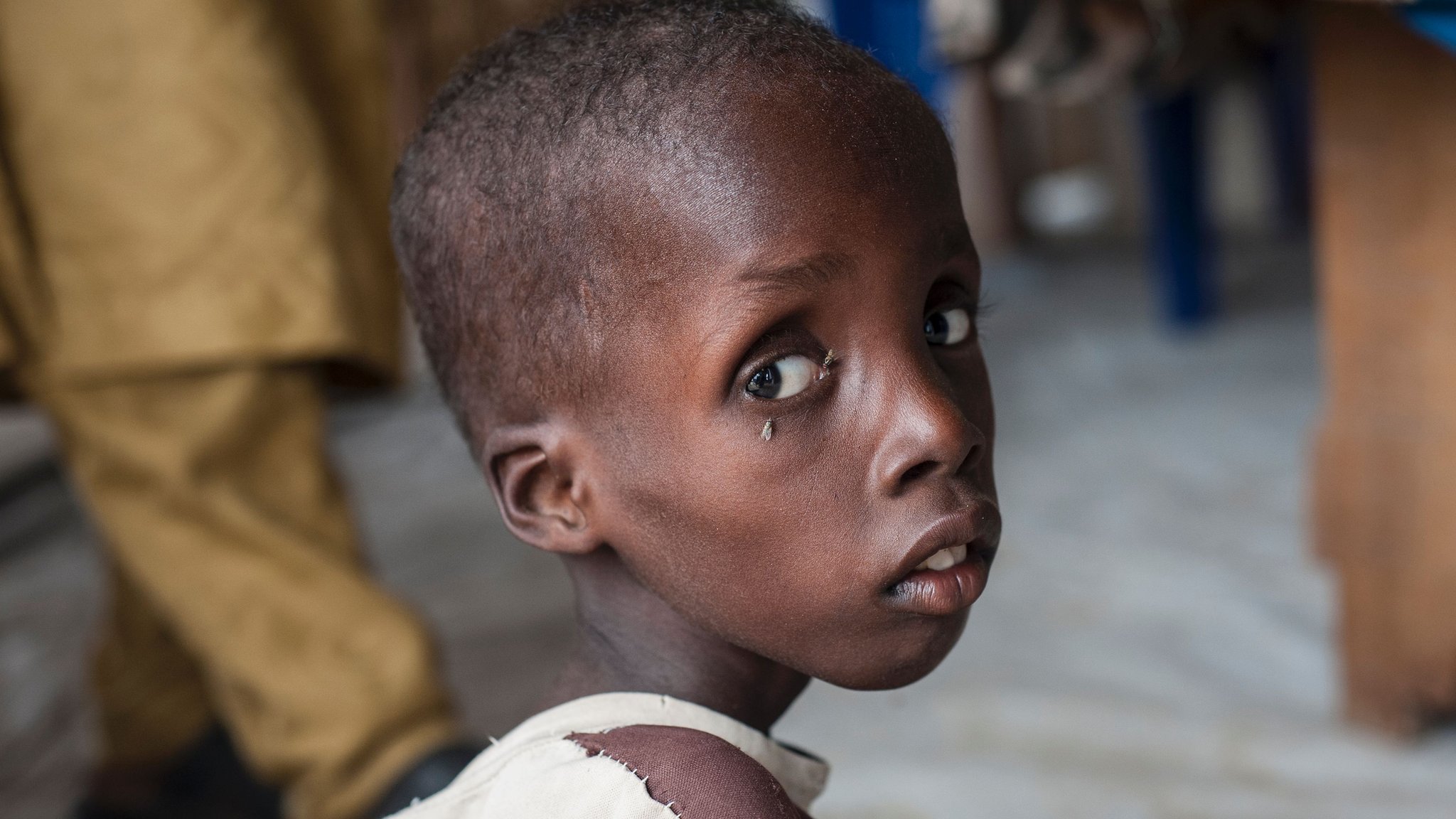
A new policy report has blamed weak governance, poor accountability, and institutional failures for the persistent child malnutrition crisis in Northern Nigeria, warning that millions of children remain trapped in preventable hunger despite years of government nutrition policies and interventions.
The report, “Why Malnutrition Persists in Northern Nigeria: Strengthening Nutrition Governance, Financing and Primary Healthcare”, released on Wednesday by the Athena Centre for Policy and Leadership, argued that the country’s nutrition challenge is no longer one of policy formulation but one of implementation and accountability.
It found that 40 per cent of Nigerian children under the age of five are stunted, eight per cent are wasted, while 27 per cent are underweight, with the burden falling disproportionately on states in the North-West and North-East.
According to the report, stunting affects 46.3 per cent of children in Katsina, 43.8 per cent in Sokoto, and 42.6 per cent in Zamfara, while child food poverty impacts 67 per cent of children in Borno, 66 per cent in Yobe, and 60 per cent in Adamawa.
The report also cited World Food Programme data showing that more than 17 million people across nine conflict-affected northern states are experiencing crisis, emergency, or catastrophic levels of hunger.
The authors of the report, Dr Suleiman Bello and Joshua Abah, said successive governments had introduced nutrition policies and identified evidence-based interventions but had failed to translate those commitments into sustained action at the community level.
“The absence of clear institutional ownership and an accountable delivery chain linking nutrition financing, primary healthcare, social protection, agriculture and local implementation structures continues to undermine progress,” the report stated.
Other News
It argued that Nigeria’s nutrition response remains largely reactive, with interventions often coming only after children become severely malnourished instead of focusing on prevention during pregnancy and the first 1,000 days of life — a period widely regarded as critical to a child’s development.
To reverse the trend, the Athena Centre proposed four key reforms, including making verified nutrition readiness a requirement for accessing performance financing under the Basic Health Care Provision Fund in high-burden areas.
The report also recommended the publication of a quarterly nutrition compliance ledger detailing budget releases, procurement of nutrition commodities, health facilities supplied, wards reached, and outstanding obligations to improve transparency.
Other recommendations include appointing a lead nutrition accountability institution in every northern state to coordinate health, agriculture, water, sanitation, social protection, and humanitarian interventions, as well as strengthening Ward Development Committees to identify vulnerable mothers and children before malnutrition becomes severe.
The report maintained that nutrition should be treated as a measurable obligation of government rather than an emergency response activated only after a humanitarian crisis has emerged.
“A child should not have to become visibly wasted before the state becomes visible,” the report concluded.