Follow Us on Google

No fewer than 1,174 patients affected by noma have benefited from major reconstructive surgeries in Nigeria through the intervention of Médecins Sans Frontières (MSF), also known as Doctors Without Borders, as the organisation called for increased investment in early detection and treatment of the disease.
The surgeries were performed through 35 surgical missions over the past decade under a partnership involving MSF, the Federal Ministry of Health and Social Welfare, and the Sokoto State Ministry of Health at the Noma Children’s Hospital, Sokoto.
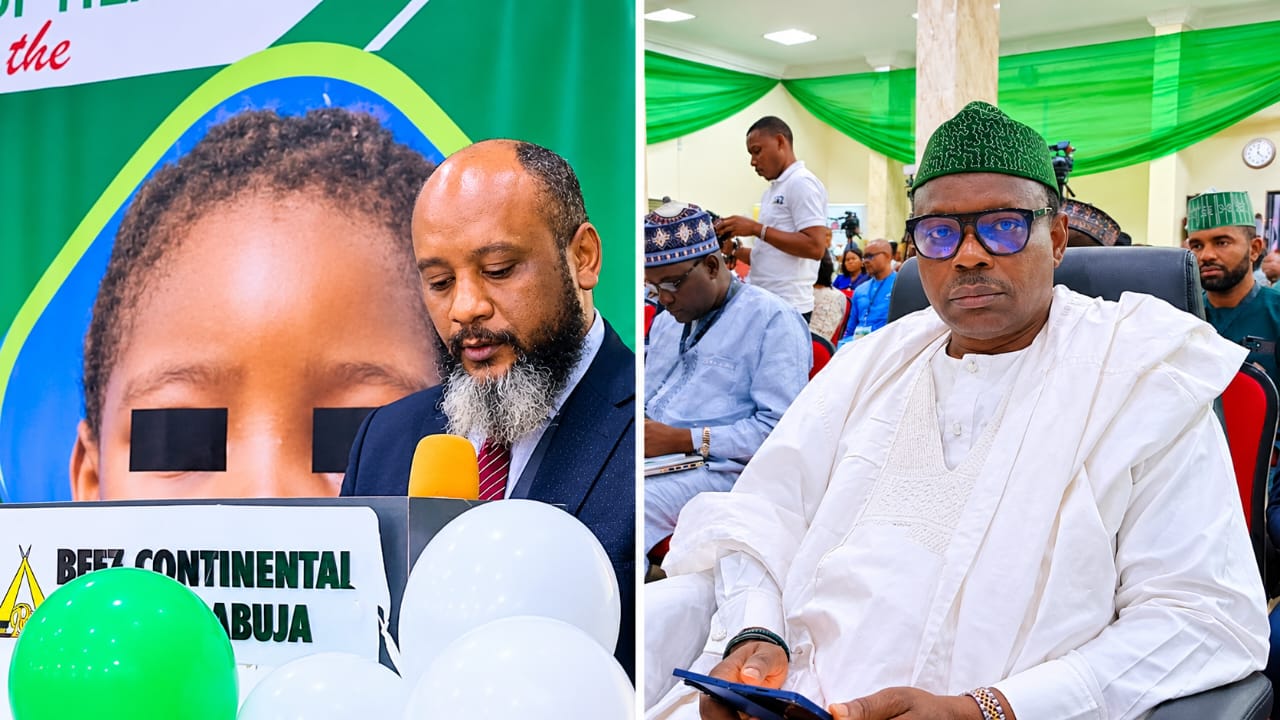
The Country Representative of MSF Nigeria, Dr. Ahmed Aldikhari, disclosed this at the 2026 National Noma Day commemoration in Abuja, where he urged the Federal Government to strengthen community-based surveillance, improve early diagnosis and increase investment in noma prevention and treatment.
Aldikhari disclosed that in 2026 alone, MSF carried out 114 surgeries for 96 patients, while 28 Nigerian surgeons and 14 anaesthetists had received training from international specialists to strengthen the country’s capacity to manage the disease.
He explained that MSF’s intervention went beyond reconstructive surgery to include inpatient treatment for acute noma, oral physiotherapy, nutritional support, community engagement, health promotion, and mental health and psychosocial services.
He said the organisation had sustained its partnership with Nigerian health authorities since 2014 to provide comprehensive care for people affected by the disease, particularly children from vulnerable communities.
While acknowledging the progress recorded, Aldikhari warned that noma remained a major public health concern because of its rapid progression, which could result in severe tissue destruction, permanent facial disfigurement and death if not identified and treated promptly.
He stressed that early identification was critical to saving lives and preventing disabilities, insisting that no child should die from a preventable disease.
The MSF representative commended the Federal Government, the Ministry of Health, the Nigeria Association of Noma Intervention (NANI) and other stakeholders for efforts to strengthen Nigeria’s response to the disease.
He particularly welcomed progress towards integrating noma into primary healthcare guidelines and its inclusion in the Surveillance Outbreak Response Management and Analysis System (SORMAS), describing the developments as important steps towards improving identification, reporting and referral.
He, however, emphasised that such commitments must translate into coordinated action across federal, state, local government and community levels, supported by adequate funding, effective implementation, training and reliable data management.
Meanwhile, the Federal Government has unveiled a National Oral Health Strategic Plan estimated at N70 billion to improve access to affordable dental services, strengthen preventive healthcare and reduce the burden of oral diseases.
The Minister of State for Health and Social Welfare, Dr Iziaq Adekunle Salako, said the five-year plan, covering 2026 to 2030, would integrate oral healthcare into primary healthcare services and improve access to diagnosis and treatment across the country.
Salako expressed concern that more than 80 per cent of Nigerians had never visited a dentist, while two out of every three children were living with untreated dental caries.
He also disclosed that Nigeria had a dentist-to-population ratio of approximately 1:38,000, compared with the World Health Organisation’s recommended ratio of 1:7,500.
On noma, the minister said Nigeria carried one of the highest burdens of the disease globally, particularly in the North-West and North-East.
He disclosed that frontline healthcare workers, traditional healers and traditional birth attendants had been trained in 19 states to identify early symptoms of noma and other oral diseases.
Salako identified good nutrition, exclusive breastfeeding, routine immunisation, proper oral hygiene and prompt treatment of childhood illnesses as essential measures for preventing the disease.
The Senate Committee on Health also pledged legislative and financial support for the nationwide campaign, stressing the need to strengthen primary healthcare services and community-level interventions.