Follow Us on Google
By Ngozi Nwoke
The avoidance of publicly discussing sexually transmitted diseases (STDs) has left many people unaware of the risks and consequences of the health challenge.
One of such diseases is genital herpes, a common but seemingly incurable disease also known as Herpes Simplex Virus-2, which has affected millions worldwide.
Despite its prevalence, not a few people suffer from genital herpes in ignorance.
Health experts say it’s time to uncover the truth about the disease, raise awareness, and encourage those affected to seek medical attention.
How it is transmitted
Genital herpes is caused by the herpes simplex virus (HSV), which can be transmitted through skin-to-skin contact with an infected person. A lot of people think HIV/AIDS and hepatitis are the only deadly diseases, thereby overlooking genital herpes, which is likewise incurable, making it a significant public health concern that warrants more awareness and understanding.
According to Ifeyinwa Ejike, genital herpes diseases are often under-diagnosed and undertreated in many parts of the country.
She explained: “Genital herpes is a more common infection than people think. The problem is that many people don’t know they have it, and even when they do, they are often too ashamed to talk about it.
“The virus can have serious consequences, such as increasing the risk of HIV transmission and neonatal herpes in newborn babies. In fact, studies have shown that people with genital herpes are more susceptible to HIV infection. Moreover, infected mothers can pass on the virus to their babies during childbirth, which can be life-threatening.”
In a shocking revelation, health experts disclosed that a bit similar to genital herpes is also the Herpes Simplex Virus-1, (HSV-1) a common virus that causes cold sores and fever blisters. It is considered a major contributor to Nigeria’s growing genital herpes epidemic.
Andrew Wilson, a Lagos-based public health educationist noted that: “HSV-1 is no longer just a minor nuisance; it’s a significant player in the spread of genital herpes in Nigeria. We need to take this seriously and educate our people about the risks.
“The virus, which can be transmitted through oral-genital contact, has been linked to an increasing number of genital herpes cases in the country.”
The experts warn that the situation could worsen if Nigerians don’t take preventive measures.
Ugochukwu Uzoma, also narrated that the rising trend of genital herpes cases attributed to HSV-1 is alarming and warrants immediate attention.
“We are seeing more and more cases of genital herpes caused by HSV-1. It’s time we took action to stop the spread of this virus. We call for increased awareness and education campaigns to combat the disease.”
Warning signs and symptoms
According to health experts, recognising the signs of the virus can help individuals seek medical attention and prevent further transmission.
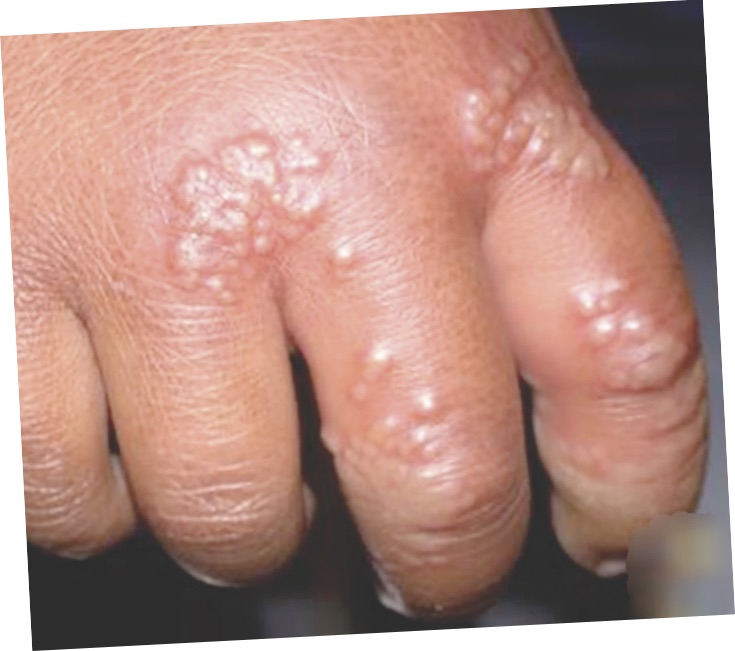
They pointed out that people afflicted with the HSV-2 may exhibit painful blisters or sores on their private parts, buttocks, or thighs, accompanied by itching, tingling, or burning sensations in the genital area.
Others may experience swollen lymph nodes in the groin, fever, headache, and muscle pain, as well as painful urination. Women may also notice unusual vaginal discharge, abnormal vaginal bleeding, pelvic pain, or discomfort during intimacy.
However, they urge Nigerians to take immediate action if they experience these symptoms, as early detection and treatment can help in managing the condition.
Joshua Banigo, a counsellor from The Reinhard Rehab Centre, Ikoyi, Lagos, stated that a collective effort is required to address the issue.
“We need to educate our people about the risks of HSV-1 and how to prevent it. Only then can we hope to stem the tide of this epidemic.
“One of the most insidious aspects of genital herpes is that many people can spread the virus without showing symptoms. This makes it challenging to track and control outbreaks.
“The fact that people can be asymptomatic carriers of the virus means that they can unknowingly transmit it to their partners. This highlights the need for regular testing and safe sex practices.
Prevalence rate
On the prevalence rate of the virus in Nigeria, these numbers suggest that genital herpes is a significant public health issue in Nigeria, with varying prevalence rates across different populations.
The prevalence rate ranges from 25.0 per cent to 100.0 per cent, with an estimated average of 63.4%.
In some parts of the country, the situation is even direr with a study revealing a prevalence rate of 77 per cent among women of childbearing age in Kogi State.
Another study found that 77.8 per cent of female patients attending skin and antenatal clinics in Enugu were infected.
Other studies have also reported high prevalence rates among specific groups, including patients and female sex workers.
Kolade Akin-Davies, a medical doctor at Oceancare Medical Centre, emphasised that the first step to tackling genital herpes is to raise awareness about the disease.
He said: “We need to educate people about the risks, symptoms, and treatment options. We also need to create a culture of acceptance and understanding, where people feel comfortable discussing their experiences without fear of judgment.
“Genital herpes is not a reflection of a person’s character or morals. It’s a disease that can affect anyone. By promoting awareness and understanding, we can reduce stigma and encourage people to seek medical attention.
“The prevalence rate of genital herpes in Nigeria varies, depending on the population being studied. This makes it impossible to get an approximate database of the prevalence rate or an exact rate, but what I can confirm is that the disease is fast spreading like wildfire.”
How to remedy the situation
“Despite the fact that genital herpes is an incurable disease, it’s not a death sentence. With proper treatment and management, people with genital herpes can lead healthy lives,” says Patricia Eze, a medical doctor at the Island Health Partners, Agege, Lagos.
Eze warned against stigmatising people who open up about their HSV-1 and HSV-2 status, stressing that they may be forced into hiding and continue to spread the virus secretly.
She added: “The stigma surrounding the disease often prevents people from seeking medical attention. Many people who come to me for counselling are terrified of being judged or ostracised by their families and communities. We need to create a safe and non-judgmental space for people to talk about their experiences and seek help.”
On what can be done to manage genital herpes, Eze advised: “While there’s no cure for genital herpes, antiviral medication can help manage symptoms and reduce the risk of transmission. It’s essential for people to get tested regularly and practice safe sex.”
In addition to medical treatment, people with genital herpes need emotional support and understanding.
She added: “Counseling can play a vital role in helping people cope with the emotional impact of the disease. It’s not just about managing symptoms; it’s about rebuilding confidence and self-esteem.”