Follow Us on Google
By Doris Obinna
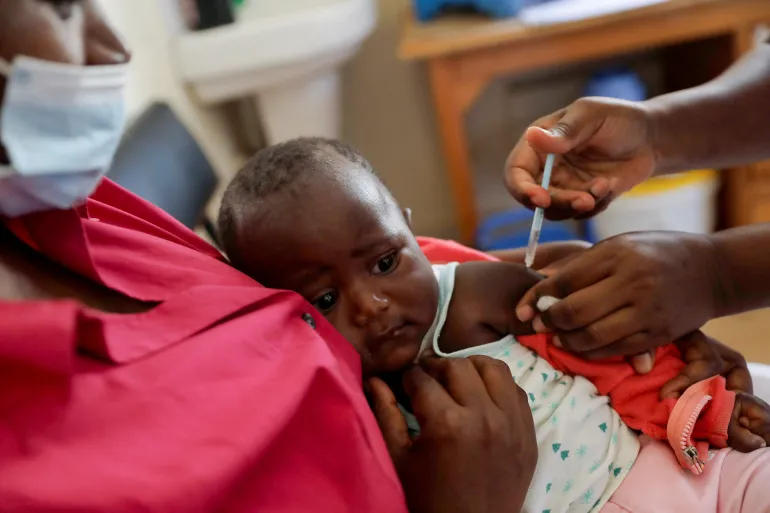
Gavi, the Vaccine Alliance, and the United Nations Children’s Fund (UNICEF) have struck a new agreement to reduce the cost of the R21/Matrix-M malaria vaccine, a move expected to expand protection to millions of additional children across Africa over the next five years.
Announced jointly on Monday, the deal will set the future price of the vaccine at US$2.99 per dose, significantly lower than current levels, unlocking up to US$90 million in savings for Gavi and participating countries.
According to the organisations, those savings could translate into more than 30 million additional vaccine doses, enough to fully immunise nearly seven million more children by 2030.
The agreement, executed by UNICEF and financially backed by Gavi, is enabled through an advance payment supported by the International Finance Facility for Immunisation (IFFIm), a financing mechanism that converts long-term donor commitments into immediate funding.
Gavi officials who disclosed this in a statement said the deal marks a crucial step toward shaping a sustainable and competitive market for malaria vaccines while advancing the Alliance’s goal of fully vaccinating 50 million more children against the disease by the end of the decade.
Gavi’s Chief Vaccine Programmes & Markets Officer, An Vermeersch, said there has been unprecedented demand for this new tool that will better protect children against one of Africa’s largest killers. She added that the agreement showcases how innovative financing can secure affordable vaccines for low-income countries.
Other News
“More than 40 million malaria vaccine doses have already been delivered through Gavi’s programme, now integrated into routine immunisation schedules in 24 African nations accounting for over 70 per cent of the global malaria burden. UNICEF, the world’s largest purchaser of vaccines, said the new pricing arrangement is especially critical amid declining international aid.”
Director, UNICEF’s Supply Division, Leila Pakkala, said a child dies from malaria every minute. “We are determined to secure enough vaccines at the best possible price to protect children from preventable diseases.”
IFFIm Chair, Ken Lay, said the agreement demonstrates how financial innovation can accelerate access to life-saving tools, noting that the mechanism has mobilised billions since its inception to speed up global immunisation efforts.
The announcement comes as malaria cases continue to rise. In 2023, the world recorded an estimated 263 million cases and 597,000 deaths; 11 million more cases than in the previous year. Roughly 95 per cent of deaths occurred in the African region, mostly among children under five.
“In many high-burden countries, malaria accounts for the largest share of hospital visits, imposing steep financial strain on families and health systems. The World Health Organization estimates that treating an uncomplicated case in sub-Saharan Africa costs between US$4 and US$7 per outpatient visit, with severe cases requiring hospitalisation costing more than US$70.
“Gavi and UNICEF say the new deal is a pivotal step toward reducing these losses and expanding equitable access to a vaccine that has the potential to reshape the fight against one of the world’s deadliest infectious diseases,” the statement stated.