Follow Us on Google
•We won’t return it, says FG •Unveils $78.5bn investment plan, targets 7% growth as CBN vows to sustain reforms
From Uche Usim, Bangkok, Thailand
As global stakeholders draw the curtain on the 2026 Annual Meetings of the International Monetary Fund and the World Bank in Bangkok, Thailand, Nigeria is returning home with renewed optimism about its economic prospects after unveiling a $78.5 billion investment pipeline anchored on 65 bankable projects.
They cut across energy, transport, industry and mining, agriculture, health and urban services.
The Minister of Finance and Coordinating Minister of the Economy, Taiwo Oyedele, who led the Nigerian contingent, said the government targets seven per cent economic growth and not the 4.3 per cent IMF projected for 2027, describing it as conservative.
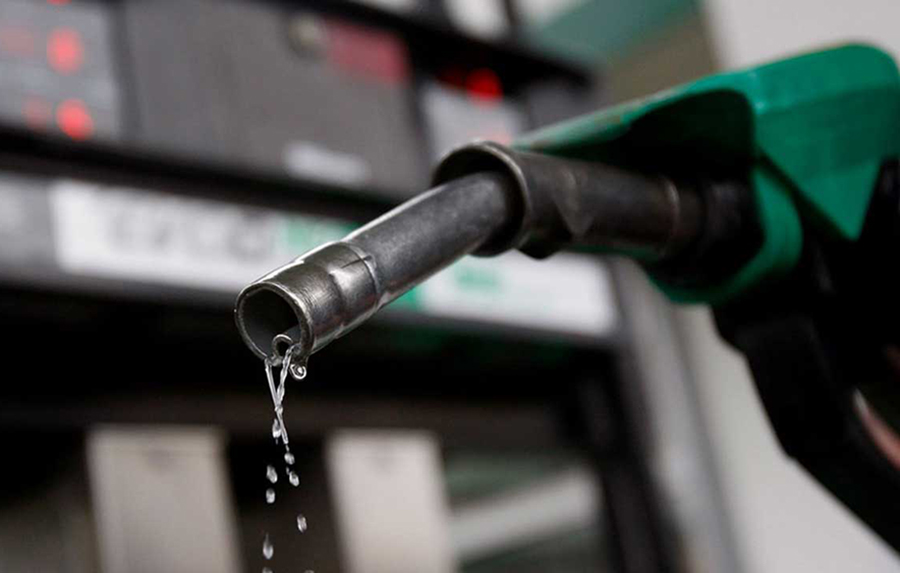
Oyedele ruled out a return to fuel subsidies or multiple exchange rates, saying the recent temporary reduction in the retail fuel margin by the Nigerian National Petroleum Company Limited was a commercial decision rather than a subsidy funded by the government.
He said the economy is moving from stabilisation to acceleration, expansion and job creation.
He said the aforementioned projects had undergone feasibility studies and were structured to accommodate private-sector participation, including investments from local and foreign investors.
This comes as the Governor, Central Bank of Nigeria (CBN), Olayemi Cardoso, vowed to sustain various economic reforms already being implemented.
He said the changes, though scathing, have proven potent enough to tow the nation’s economy out of rough waters.
He said the cocktail of reforms helped Nigeria’s inflation rate fall to 14.63 per cent in September 2026, while foreign reserves rose above $55 billion.
Cardoso noted that the progress reflected the impact of difficult policy adjustments and provided an opportunity to attract more investment, increase productivity and achieve sustainable economic growth.
The CBN governor also said formal remittance inflows were approaching $1 billion monthly, while Nigerian banks had raised N4.65 trillion in fresh capital through the on-going recapitalisation exercise, with slightly more than 70 per cent of the funds coming from domestic investors.
According to him, the strong participation of local investors demonstrates confidence in the resilience and long-term prospects of the Nigerian banking system.
Cardoso added that Fitch Ratings had recently revised Nigeria’s sovereign outlook from stable to positive, reflecting improving assessments of the country’s economic direction.
He, however, stressed that the gains must be protected through consistent policies, credible institutions and effective cooperation between monetary and fiscal authorities.
“Our responsibility now is to consolidate this progress and translate it into greater investment, productivity and sustainable economic growth,” he said.
Oyedele, while responding to questions, said the government was working towards lower inflation and borrowing costs to make it easier for businesses to access affordable credit, expand production and employ more Nigerians.
He said Nigeria’s economy grew by 4.4 per cent in the second quarter of 2026, while inflation had declined for four consecutive months. He also put the country’s external reserves above $55 billion.
The minister said the government’s tax-to-GDP ratio rose from about seven per cent less than three years ago to 12.5 per cent at the end of 2025, while private capital inflows increased from about $300 million in 2023 to nearly $6 billion in 2026.
He added that federation revenues had quadrupled since 2021, while public debt remained at about 36 per cent of gross domestic product (GDP).
Oyedele said the government was determined to build on the progress made so far by addressing the structural problems that continue to limit investment, production and employment.
“We are not saying it simply because it sounds good, we are saying it because we have a plan,” he said of the government’s growth ambition.
According to him, the fiscal authorities must complement the CBN’s monetary policy efforts to bring inflation down to low single digits and create conditions for single-digit interest rates.
He said businesses currently faced borrowing costs of close to 30 per cent, making it difficult for them to expand, despite the economy’s growth.
Oyedele argued that significantly lower lending rates would unlock investment and economic opportunities, provided the government tackled the major sources of inflation, particularly food, energy and transportation costs.
He said exchange-rate pressures, which previously pushed up the prices of imported goods, had eased considerably following improvements in the foreign exchange market.
According to him, investors from Asia and Europe had already expressed interest in the opportunities.
Other News
Oyedele said the initiative was designed to turn international confidence in Nigeria’s economic reforms into actual investment, rather than relying on announcements and expressions of interest.
He also disclosed that the World Bank Group had reaffirmed support for power and infrastructure through guarantees and other financing arrangements, while the IMF had committed to continued technical assistance on fiscal policy, transparency and national statistics.
The European Union identified energy and local pharmaceutical manufacturing as priority areas under its Global Gateway programme, while the United States Treasury offered deeper technical cooperation in health, fiscal policy administration and financial integrity.
The minister cautioned, however, that these engagements should not be presented as confirmed financial inflows until formal agreements had been signed and results began to emerge.
On policy consistency, both officials sought to reassure investors that the government would not reverse its major economic reforms.
Cardoso similarly said Nigeria would not abandon the reforms that had helped restore stability to the foreign exchange market and improve investor confidence.
He said investors were repeatedly asking whether the government would maintain its current policy direction, adding that abandoning the reforms could undermine the progress already achieved.
“We have come a long way and demonstrated that the reforms can work. Stability is returning to our economy, and we must build on that progress,” the CBN governor said.
Cardoso also said the reduction in the gap between the official and parallel foreign exchange market rates from about 60 per cent at its peak to approximately three to four per cent had reduced currency-related risks and improved the prospects for long-term investment.
He said greater exchange-rate stability would enable development finance institutions, including the Africa Finance Corporation, Bank of Industry and Development Bank of Nigeria, to mobilise more long-term funds for productive sectors.
The governor said the CBN would remain focused on price stability and financial system soundness rather than take on the direct development-financing responsibilities of institutions established for that purpose.
On Nigeria’s engagement with international credit-rating agencies, Cardoso said the government was working towards achieving investment-grade sovereign ratings in the medium term through consistent policies and stronger institutions.
He said the CBN had also held discussions with international financial institutions and rating agencies, including S&P Global Ratings, Moody’s and Fitch, on Nigeria’s economic outlook.
The governor added that Nigeria was strengthening financial ties with Asian economies, particularly Singapore and China, to improve cross-border payments, settlement arrangements, financial technology and trade finance.
He disclosed that discussions with the Governor of the People’s Bank of China, Pan Gongsheng, focused on practical arrangements to facilitate payments, trade and investment between both countries.
Cardoso said the engagements would be followed by further discussions during a planned visit to Beijing.
Meanwhile, both officials highlighted the need to ensure that economic growth translates into jobs, particularly for young people.
Oyedele cited World Bank estimates that about 1.2 billion young people would enter the global labour market over the next 10 to 15 years, while current trends suggested that only about 400 million jobs would be created, leaving a potential shortfall of 800 million jobs.
He said Nigeria must prepare for the challenge by investing in skills, directing investments towards job-intensive sectors and ensuring that the benefits of artificial intelligence (AI) were widely shared.
The minister warned that AI could increase productivity without generating enough employment, making it necessary for governments to ensure that technology adoption did not deepen unemployment.
Cardoso also described AI as a defining opportunity for developing economies, warning that African countries risked falling further behind advanced economies if they failed to develop clear strategies for adopting the technology.
He said AI could improve productivity in areas such as pharmaceutical production and the operations of small and medium-sized businesses, but stressed the need to address cybersecurity threats and other risks to financial stability.
The governor called for greater international cooperation and appropriate safeguards to ensure that developing countries benefited from technological advances.
Oyedele urged international financial institutions to measure their success not only by the amount of financing mobilised or the growth recorded but also by the number of jobs created.
He said Nigeria’s challenge was to convert improving economic indicators and growing international confidence into higher investment, affordable financing and decent jobs.
“Stability was the first test. Growth that employs our people is the second,” he said.