Follow Us on Google

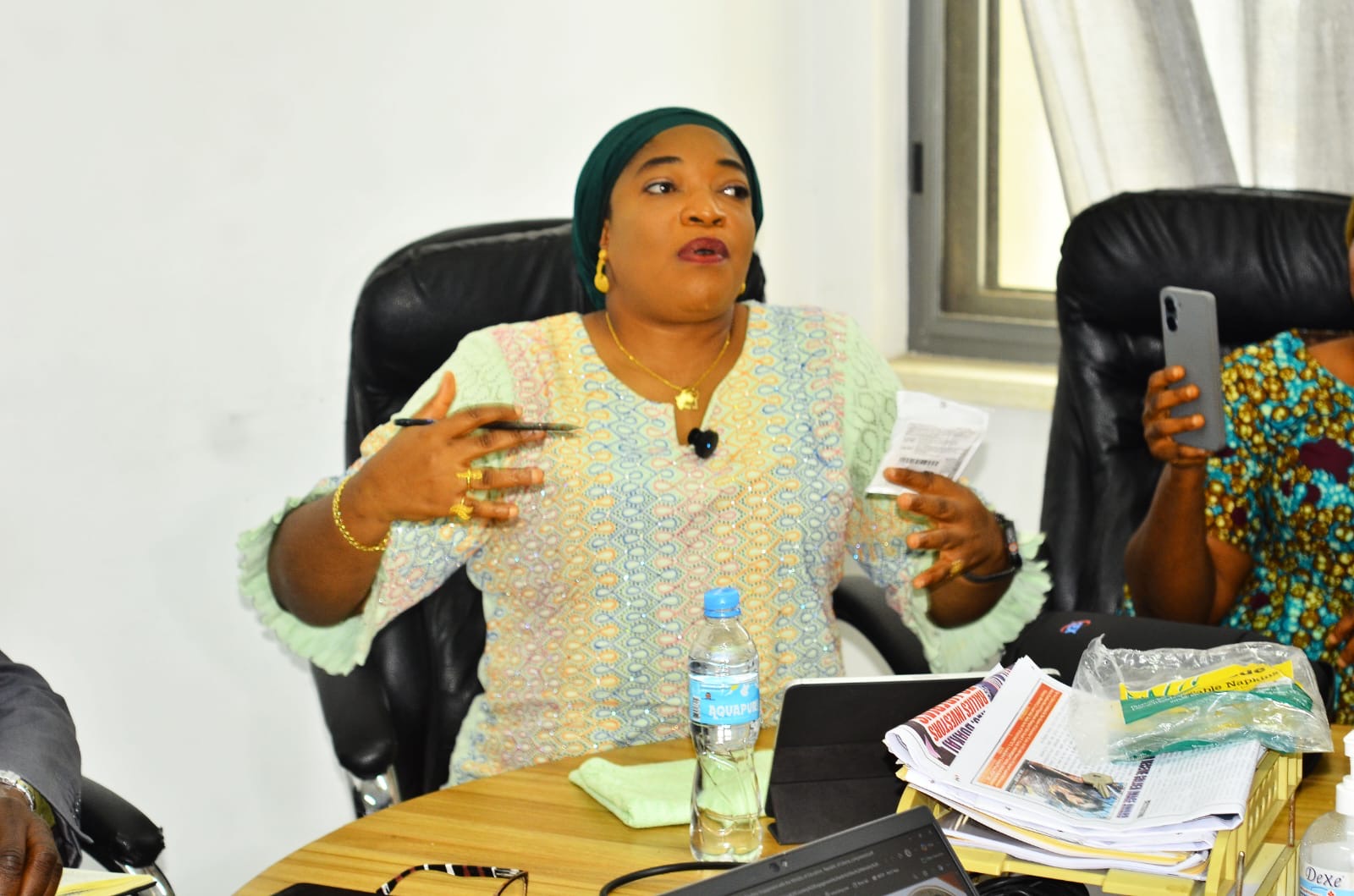
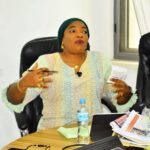
The Executive Director of Women in Mining Africa (WiM-Africa), Dr Comfort Asokoro-Ogaji, has challenged African countries to stop playing subordinate roles in the global minerals market and build the capacity to influence the prices of their mineral resources.
She said Africa’s huge mineral wealth would remain undervalued unless the continent strengthened its processing industries, market intelligence, financial systems and bargaining power.
Asokoro-Ogaji spoke at the Shanghai Metals Expo 2026 during a roundtable on Eastern Pricing 2.0: Integrating Futures, Physical Markets, Industry and Finance for the Next Stage of Global Metals Pricing.
She lamented that despite Africa’s strategic deposits of copper, cobalt, lithium, manganese, gold and other critical minerals, the continent had limited influence over the international systems that determine their prices.
According to her, having mineral resources does not automatically translate into economic power, as many African producers lack access to reliable market information, processing facilities, finance and international trading networks.
She insisted that Africa must move beyond exporting raw minerals and become an active player in the global pricing and trading system.
“Having minerals is not the same as having pricing power. And mineral wealth alone does not guarantee industrial prosperity,” she declared.
The WiM-Africa chief explained that the value of minerals, particularly copper concentrate, depended not only on international market prices but also on quality, mineral grade, treatment and refining charges, transportation costs and contract terms.
She identified five key areas requiring urgent attention, including stronger mineral market intelligence, improved testing and certification, investment in local processing, better access to trade finance and inclusive participation in the mineral value chain.
She said African producers must have access to accurate information on mineral prices, buyers, production levels and processing capacity to avoid being disadvantaged during negotiations with international buyers.
Asokoro-Ogaji also called for increased investment in mineral testing, standardisation and traceability, stressing that producers must understand the quality and actual worth of their resources before negotiating sales.
On value addition, she urged African countries to develop regional processing facilities rather than continue exporting predominantly unprocessed minerals.
She said collaboration among African countries would help build specialised processing industries and strengthen regional mineral value chains.
The WiM-Africa executive director further called for improved access to working capital, trade finance, secure payment systems and credible offtake agreements to enable local producers compete effectively in international markets.
On women’s participation, she warned against excluding women-led businesses from emerging opportunities in mineral trading, processing and financing.
She said women across Africa remained constrained by poor access to finance, equipment, technical expertise, market information and formal supply chains.
“If the next generation of metals pricing is being designed around stronger connections between physical markets, futures markets, industry and finance, then we must ask: Where are women-led enterprises within that emerging ecosystem?” she queried.
She described women’s participation as an economic competitiveness issue, not merely a question of gender representation.
Asokoro-Ogaji also highlighted WiM-Africa’s strategic partnership with Shanghai Metals Market, saying the organisation was seeking stronger connections between African women-led enterprises and international market intelligence, technology, research institutions and commercial opportunities.
She called for deeper Nigeria-Africa-China cooperation in mineral processing, laboratory development, responsible sourcing, professional training, investment readiness and direct access to international buyers.
She noted that while Chinese companies had extensive industrial expertise, processing capacity and access to major metals markets, Africa possessed vast mineral resources and emerging investment opportunities.
She, however, stressed that Africa was not demanding arbitrary prices or seeking to replace established international benchmarks.
Rather, she said the continent wanted the capacity to understand global pricing systems, negotiate from stronger positions and retain a greater share of the wealth generated from its mineral resources.
“Africa has mineral power. It is time we built the market power to match,” she said.