Follow Us on Google
From Abel Leonard, Lafia
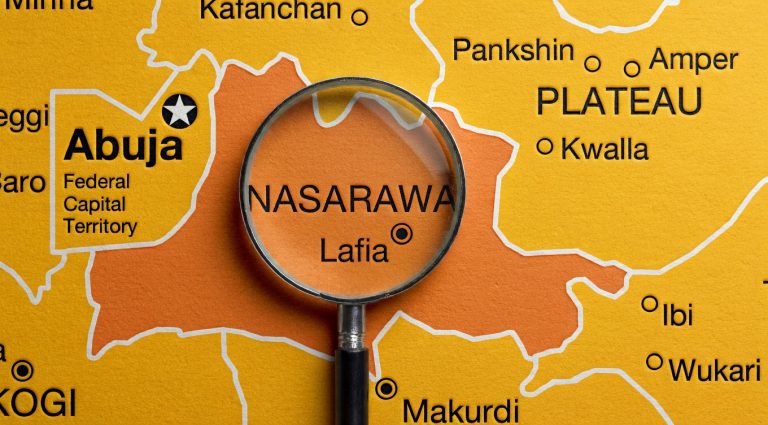
Motorists in Nasarawa State are grappling with the sharp rise in fuel prices, which has left many unable to afford basic transportation. As prices soar to over 1,000 Naira per litre, residents are appealing to the Federal Government to ensure consistent fuel availability at regulated prices.
The crisis has led to long queues at filling stations, with civil servants, retirees, and traders feeling the brunt of the economic strain. Many are now calling for urgent government intervention to ease the growing hardship across the state.
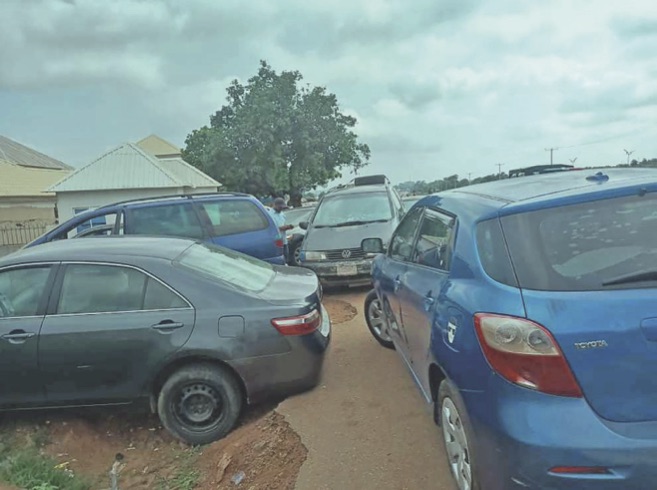
Across the state, the impact of the rising fuel prices is felt daily, particularly in the state capital, Lafia. Long queues at the NNPC Mega Station on Jos Road have become a daily sight. Motorists line up for hours, hoping to purchase fuel at a lower price compared to what is obtainable at the independent filling stations.
However, their hopes are often dashed, as fuel is either unavailable or sold at a higher price than expected. The situation has left many residents frustrated, as the rising cost of fuel has also driven up the prices of goods and services.
“I’ve been queuing here since dawn, and there’s still no fuel. Prices keep increasing, but what’s even worse is the fact that we don’t get the fuel we wait for,” said Mr. Anthony Attah, a retiree.
“It’s a difficult situation. We are already battling with economic challenges, and now this. The government needs to intervene.”
Saturday Sun gathered that Mr. Attah’s sentiment is shared by many civil servants and other low-income earners who, despite working full-time, now struggle to afford basic necessities. The high fuel prices have pushed up transportation costs, making it difficult for them to commute to work or attend to their daily activities without facing severe financial strain.
Mrs. Victoria Adamu, a petty trader in Lafia, described the hardship as unbearable. “I can no longer afford to take transport to the market. I walk for almost an hour just to save money for my family’s upkeep. The high cost of petrol is killing businesses because people can’t afford to move around freely.”
Many residents have called on the Federal Government to take swift action to stabilize fuel prices and ensure that petrol is readily available at the official pump price across all filling stations. The inconsistency in fuel availability has worsened the situation, as motorists are left with no choice but to pay exorbitant prices at independent stations or endure long queues at the few stations selling fuel at regulated rates.
Mallam Hassan Abu, a supervisor at the NNPC Mega Station in Lafia, acknowledged the difficulties but insisted that the station was merely following directives from higher authorities.
“We understand the frustration of the people, but the price adjustments are beyond our control. We sell according to the official prices set by the authorities, and when we don’t have fuel, it’s not our decision.”
The scarcity of fuel at the NNPC station, despite the increase in prices, has left many questioning the transparency of the distribution process. Motorists allege that independent filling stations seem to have more fuel, though at significantly higher prices, leading some to suspect hoarding and unfair distribution practices.
“Why should private stations have fuel while the government-owned ones struggle? It doesn’t make sense,” questioned Mr. Joseph Agada, a commercial driver in Lafia. “It feels like those of us who can’t afford the higher prices are being punished. The government needs to fix this.”
The impact of the fuel crisis is also evident on the streets of Lafia, where civil servants and traders are frequently seen walking to their offices and businesses. Many say they have no choice but to walk long distances to save money, as the cost of transportation has become unaffordable.
Saturday Sun found that public transportation fares have more than doubled in some areas, further complicating the lives of commuters. With salaries remaining stagnant and no immediate relief in sight, residents are concerned about the long-term impact of the fuel price increases on their livelihoods.
“I spend more on transportation than I earn these days,” complained Mrs. Ruth Danladi, a civil servant. “It’s becoming impossible to balance my expenses. The government must step in and make fuel affordable again. If this continues, I don’t know how we’ll cope.”
In the face of these challenges, Dr. Abdukarreem Alhassan, an economist and lecturer with the Federal University, Lafia has warned that the ripple effect of the fuel crisis could worsen inflation, leading to even higher prices for goods and services. He cautioned that without immediate government intervention, the economy could face deeper instability, with the most vulnerable populations bearing the brunt of the impact.
As fuel prices continue to rise, Nasarawa residents are left waiting for relief. With the Federal Government yet to respond to the growing outcry, many are hoping that swift action will be taken to alleviate the economic strain on the population.
For now, the streets of Lafia remain filled with pedestrians, as more residents leave their vehicles behind, unable to keep up with the rising cost of fuel.