Follow Us on Google
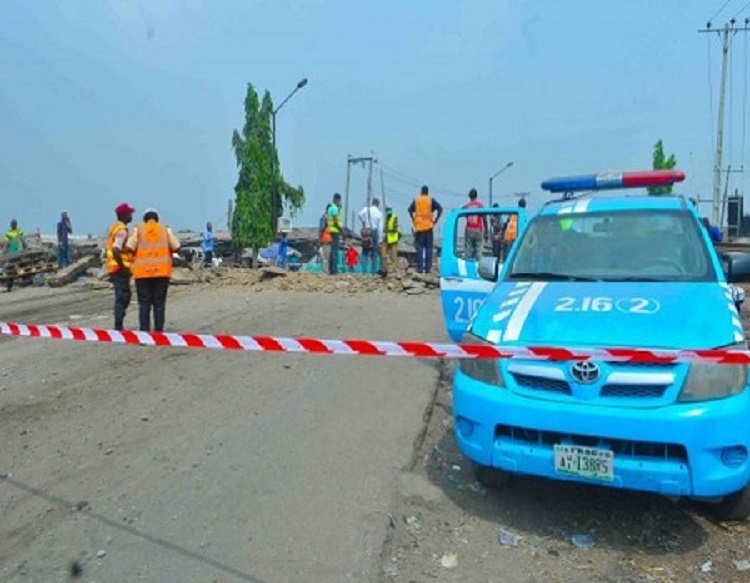
No fewer than 150 vehicles, including trucks, were impounded yesterday, along the Kaduna–Zaria–Kano highway for various traffic offences, the Federal Road Safety Corps (FRSC) has said.
The drivers of the impounded vehicles were prosecuted by a mobile court as part of the Corps’ collaboration with the judiciary to conduct mobile court sessions nationwide during the Yuletide season.
Speaking to journalists in Kaduna, the FRSC Corps Marshal, Malam Shehu Mohammed, said motorists often become more reckless during festive periods.
He listed common offences to include overloading of passengers and goods, speeding, and driving under the influence of alcohol and illicit drugs, among other violations.
Mohammed said all commanding officers across the country had been directed to deploy adequate personnel to identified high-traffic corridors to ensure effective traffic management.
He assured the motoring public that law-abiding drivers, passengers, and other road users would continue to move freely, stressing that the Corps remained committed to safeguarding lives and property on Nigerian highways.
As part of the end-of-year nationwide highway monitoring exercise, the Corps Marshal conducted an on-the-spot assessment of traffic conditions along the Kaduna highway, following an earlier inspection of the Abuja–Lokoja road.
The assessment led to the immediate deployment of additional personnel to clear traffic congestion and restore free flow of movement.
Mohammed personally supervised traffic operations, ensuring strict compliance with traffic regulations as enforcement teams intensified surveillance along major routes.
“Several overloaded vehicles and traffic violators were apprehended during the exercise.
“So far, we have impounded 150 vehicles along the Kaduna–Zaria–Kano highway, and the operation will continue,” he said.
The Corps Marshal said the extended monitoring demonstrated the FRSC’s hands-on leadership and zero-tolerance stance against traffic infractions, particularly during the festive travel season.
He urged motorists to obey traffic rules, avoid overloading, and cooperate with officers on duty, noting that sustained compliance was crucial to reducing crashes, saving lives, and ensuring safer highways nationwide.