Follow Us on Google
From Sola Ojo, Abuja
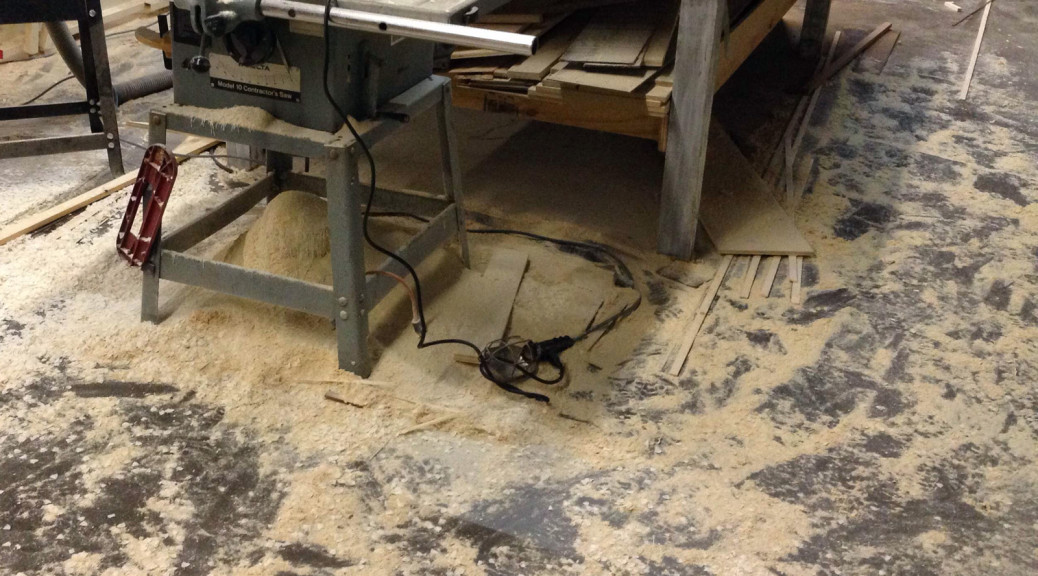
For decades, piles of sawdust around timber markets across Nigeria were nothing more than an environmental nuisance. The fine wood particles left behind the house engine after logs were cut into planks were often treated as useless waste.
Workers had to pay to dispose of it, while heaps of the material gathered around sawmills, sometimes blocking drainage channels and creating fire hazards.
Today, however, the story has changed dramatically.
What was once regarded as waste has quietly transformed into a source of income for many people in the timber business across the country.
Sawdust has become a commodity with growing demand, supplying industries ranging from poultry farming to local manufacturing of security doors.
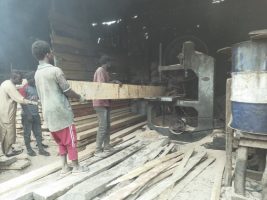
At the active timber markets from North to South, East to West, the constant buzz of cutting machines fills the air, with workers busy moving logs, operating saws and shovelling piles of sawdust into sacks for buyers waiting nearby.
For some traders, sawdust has become the unexpected backbone of their livelihoods.
“Sawdust used to be something nobody cared about. In the past, when it filled up around the machines, we had to find ways to remove it. Sometimes we even paid people to evacuate it,” said Ibrahim, an Abuja-based sawdust trader who preferred to give only his first name.
According to him, the material was often dumped in waterlogged areas to serve as sand filling or simply burned to create space in already crowded sawmills.
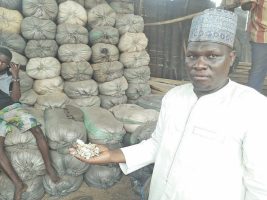
“But now people are looking for it. It is used for cooking, poultry farming, and even for making materials used in the production of security doors,” he explained.
The growing interest in sawdust has opened up new economic opportunities for workers in the timber sector.
Traders now bag and sell it in large quantities to buyers who transport it to farms and small-scale factories across the country.
For Musa Usman, another sawdust dealer, the business has become a dependable source of income.
“Sawdust is no longer a waste, it is now a business. Some people load entire trailers and supply it to large poultry farms,” his said.
Poultry farmers, in particular, have become major consumers of sawdust.
The material is widely used as bedding for chickens, helping to absorb moisture and maintain hygienic conditions in poultry houses.
In rural and semi-urban communities, sawdust is also used as fuel for cooking. Many households mix it with other materials to make briquettes or simply use it in local stoves as an affordable alternative to firewood or charcoal.
Small-scale manufacturers have also discovered its usefulness. Sawdust is increasingly used in producing composite materials, including locally fabricated security doors and other wood-based products.
The expanding uses of sawdust have transformed what was once considered debris into a valuable commodity in the timber economy.
According to traders, not all sawdust is the same. They distinguish between two main types; plain dust and soiling dust.
Plain dust is rough in texture and often comes from cutting heavier hardwood logs. Soiling dust, on the other hand, is smoother and finer. The differences in texture affect their prices in the market.
A hundred kilograms of plain dust costs between N1,500 and N2,000. The soiling type sells for between N1,000 and N1,500 depending on demand and the time of the year.
Prices fluctuate with market forces and availability. During periods of high demand, the cost can increase significantly.
Despite its growing demand, the availability of sawdust is closely tied to the timber supply chain.
Traders say sawdust is more abundant during the dry season when timber activities peak. But once the rains begin, supply becomes limited.
According to timber dealers, the challenge lies in transporting logs from forest regions in southern Nigeria, where most of the country’s large hardwood trees are found.
“When the rainy season comes, it becomes difficult to bring timber from the forests,” Ibrahim said.
Many of the logs processed in Kaduna’s timber markets originate from the swampy forest regions of southern Nigeria, particularly in states such as Cross River, Akwa Ibom, Oyo, Ekiti and Ondo.
“These places still have many big trees,” he added.
However, during the rainy season, the forest terrain becomes muddy and difficult for trucks to navigate, slowing down the movement of timber to northern markets.
When fewer logs arrive at the sawmills, less sawdust is produced, creating shortages for traders and buyers.
Behind the growing sawdust trade lies the labour of sawmill workers who operate the machines that produce it.
In many timber markets, these machines are far from modern. A typical timber-cutting machine requires between eight and ten workers to operate effectively.
“You know these machines are old,” Ibrahim explained. “They do not have gauges or rollers like modern equipment.”
Instead, much of the work is done manually. Workers must guide heavy logs toward spinning blades, adjust the wood as it is being cut, and manage the output of planks and sawdust.
The machines also run on diesel fuel, unlike newer electric-powered models used in more advanced industrial settings.
However, operators are frequently exposed to dust, noise, and mechanical hazards. Protective gear such as goggles, gloves, ear protectors and respirators is rarely used by these workers are exposed to hazards because they do not have protective gear,” Ibrahim said.
Despite these risks, many workers continue in the trade because it provides steady employment.
For timber dealers, operating a market filled with dry wood and sawdust presents another major challenge: fire outbreaks.
The Secretary of the Northern Timber Dealers Development Union, along Enugu Road, in Old Panteka, Kaduna, Alhaji Musa Sanusi, also known as Musan-Idi, acknowledged that fire incidents have historically been one of the biggest threats to the timber business.
“Fire incident is a challenge we face,” he said.
Large quantities of dry wood and sawdust can easily ignite if exposed to sparks or open flames, making timber markets particularly vulnerable.
However, Sanusi noted that recent government interventions have begun to improve conditions within the market.
“We are gradually overcoming some of these challenges,” he said.
According to him, government support in recent years has helped introduce new facilities aimed at improving safety and working conditions for traders and workers.
“The immediate past administration encouraged us to think beyond just selling timber. They encouraged us to think about industrialisation,” Sanusi said. As a part of that support, the timber market has received several infrastructure improvements.
These include the installation of four mobile toilets, the establishment of a health facility within the market, and the creation of an information and technology centre intended to support research and development.
Road construction projects around the market are also ongoing, which traders say would improve transportation and business operations.
“We sincerely appreciate the support we have received,” Sanusi said, expressing gratitude to both the former Kaduna State governor and the current administration.
Despite these improvements, timber dealers say the industry still has enormous untapped potential.
Sanusi believed that with the right level of financial support, the timber sector could evolve from basic lumber processing into a full-scale industrial hub.
One of the key obstacles, he explained, is the outdated machinery used in many sawmills.
“We need financial assistance to upgrade our machines,” he said.
Modern wood-processing equipment would allow timber dealers to expand into value-added manufacturing, including the production of plywood, paper, and ceiling materials.
Currently, Nigeria imports many of these products from countries such as China, spending significant amounts of foreign exchange each year.
“If we are able to produce these things locally, the country will save billions of naira spent on imports,” Sanusi said.
Beyond reducing imports, he believed industrialising the timber sector could also create thousands of new jobs.
“Young people will have opportunities for modern employment,” he added.
The ripple effects could extend even further, benefiting farmers and communities connected to the timber supply chain.
“Improved timber production will increase the incomes of farmers and provide more revenue for government at all levels,” he said.
As Nigeria continues to explore ways to diversify its economy, small stories like that of sawdust traders reveal a larger truth: sometimes the path to new opportunities begins with what others once threw away.