Follow Us on Google
• Abandoned by their children, many senior citizens in Nigeria gradually finding solace in group homes
By Vera Wisdom-Bassey
In Nigeria, an alarming trend has emerged: a growing number of elderly citizens are left to fend for themselves as their children and relatives turn to elderly care homes instead of taking them in.
For many of these older adults, this abandonment leads to deep frustration and hardship as they grapple with health issues, loneliness, and a lack of basic necessities. They live with memories of caring for their own children, now distant and unresponsive, and face a harsh reality without the security, comfort or respect that their years should bring.
In Lagos State, a few organisations have taken on the responsibility of providing these neglected elders with care and shelter. Among them is the Holy Family Home for the Elderly, located in the bustling Mushin area and run by Regina Mundi, a Catholic mission. Established in 1982, the home currently houses 13 elderly residents, including two men and 11 women. Two of these women came from outside Nigeria—one from Liberia and another from Barbados. Over the years, the home has grown, thanks to donations from compassionate Nigerians and organizations, although the challenges of sustaining its services remain constant.
The matron of the Holy Family Home, Sister Anthonia Adebowale, described the types of residents they accommodate. Some have been placed there by family members who no longer wish to care for them, while others were homeless with no family to turn to. Sister Adebowale recounted some heart-breaking cases, like that of a woman at the home who has eight children, six of whom live abroad. Only one child overseas, she noted, checks in on her mother, while the others, including two children residing in Lagos, rarely make contact. Even the daughter living nearby seldom visits, only bringing basic items like adult diapers for her mother’s needs Adebowale stated. Such neglect leaves the residents of the home feeling forgotten and isolated, cut off from the children they once nurtured.
One of the oldest residents, 99-year-old Mrs. Angelina from Barbados, shared a different perspective. A former missionary who came to Nigeria over four decades ago, she has fully embraced Nigerian culture and considers this country her home. Despite the circumstances, she has remained content, finding peace within the community that has welcomed her. Her resilience is a testament to the enduring human spirit, but her presence also underscores the universal need for family and care, especially in the later stages of life.
While the Holy Family Home in Mushin depends on private donations, another elderly care facility in Yaba, run by the Lagos State Government, operates on public funds. This home can accommodate up to 50 residents and currently houses 40. Like its counterpart in Mushin, the Yaba facility admits two types of elderly residents—those brought in by family and those without family support. A staff member, speaking anonymously, commended the government’s efforts but noted the limitations of state resources. She called on Nigerians to help support these facilities, emphasizing that in developed nations, governments prioritize elderly care through services like social security benefits, free healthcare, recreation centres, and housing. The contrast with Nigeria’s situation is stark, where many elderly citizens receive only minimal support.
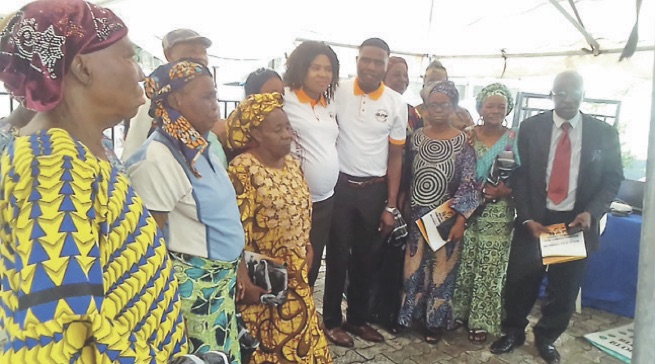
Pastor Godswin Chukwuka, a clergyman who recently launched the Beulah Palace Foundation, also added his voice to the plea for change. During the foundation’s inaugural ceremony, he highlighted the importance of honouring and caring for one’s parents, drawing from the Bible’s teachings: “Children, honour your parents so that your days may be long.” He urged Nigerians not to forget the sacrifices their parents made, reminding them that their successes are due in part to their parents’ efforts and struggles.
Through the Beulah Palace Foundation, Pastor Chukwuka said he aims to fill the gap in elderly care by providing emotional, physical, and financial support to Nigeria’s aging population. In his words, he envisions a collaborative effort involving the government, private citizens, and organizations to ensure senior citizens receive the respect and dignity they deserve.
The foundation has been registered with Nigeria’s Corporate Affairs Commission and hopes to partner with the Lagos State government. Its mission is to offer comprehensive support to the elderly—not only covering their physical needs but also focusing on their mental and spiritual well-being, providing them with a sense of community and purpose in their remaining years.
According to Dr Oluwafunmilayo Adekola, the Home Care Manager at the Yaba facility, caring for the elderly is both a privilege and a duty, as these individuals played a vital role in building the nation and deserve respect and support.
For individuals like Abosede Erina, a 72-year-old resident of Ajah in Lagos, the work of foundations like Beulah Palace offers a beacon of hope. Though she is not yet living in a care facility, she emphasised the need for Nigerian families to show support, both financially and emotionally, to their elderly relatives. Abosede stressed that money alone is not enough, insisting that companionship and regular help are crucial. According to her, elderly individuals might need assistance with simple tasks around the house, and having loved ones nearby is invaluable.
The neglect of the elderly, many argue, is a cultural taboo in Nigeria, a society where respect for elders is traditionally paramount. However, with increasing modernization and the migration of young Nigerians to urban centres and abroad, elder care is becoming a pressing social issue.