Follow Us on Google
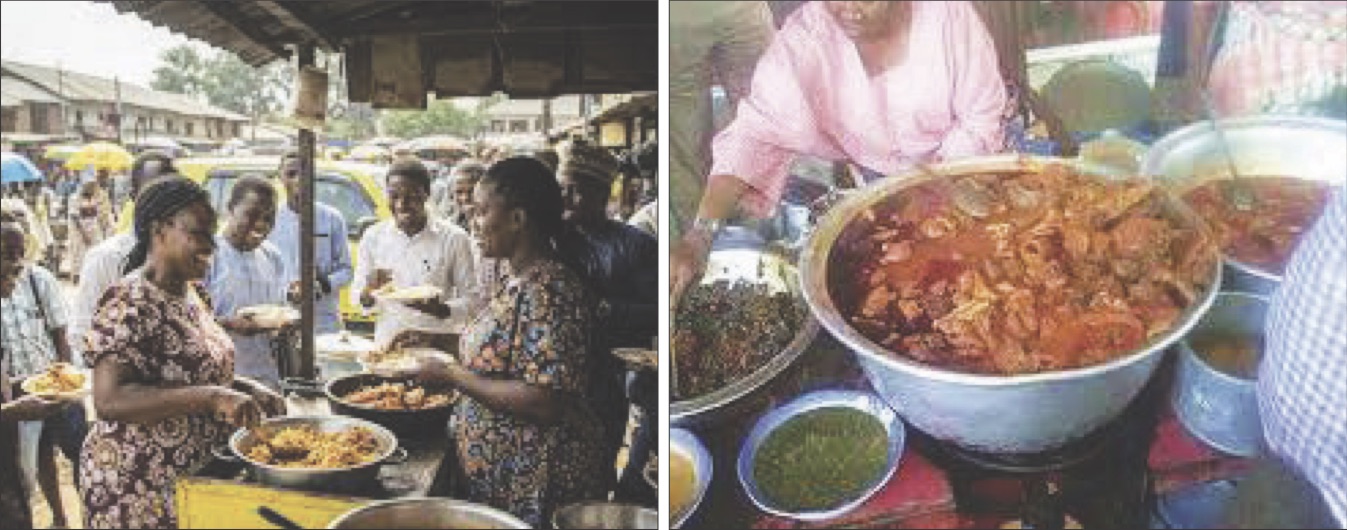
From Charity Nwakaudu, Abuja
Food, vendors in the Federal Capital Territory (FCT), Abuja, are groaning under mounting losses as Christians and Muslims simultaneously observe Lent and Ramadan, respectively, triggering sharp drop in patronage.
The dual fasting season has drastically reshaped eating habits in Abuja, leaving restaurants unusually quiet during peak lunch hours. In Wuse, Garki, Area 1, Gwarinpa and Kubwa, eateries that once thrived on bustling office crowds now sit half-empty.
Vendors say many customers are fasting from dawn to dusk, while others are deliberately cutting back on eating out as part of Lenten discipline. A restaurant owner in Wuse, Joy Ifeanyi, said: “By 12 noon, our tables are usually full. But since the fasting began, it has been very quiet.
“Both Muslims and Christians are fasting, so people are not eating out like before.” She explained that lunchtime sales account for the bulk of her daily revenue, forcing her to scale down production to avoid waste.
A roadside food seller in Area 1, Madam Blessing, said: “Before, I cooked two big pots of rice and stew. Now I reduce it because if I cook too much, it spoils. Even in the evening, it’s not as busy as we expected.”
Fruit sellers, who usually anticipate brisk sales during fasting periods, are also expressing disappointment. Dates, bananas, watermelons and oranges commonly used to break the fast are not selling as expected.
At a fruit stall in Garki, Mallam Ali blamed slow patronage on the harsh weather conditions: “The afternoon sun is very hot and the nights are cold. The fruits dry quickly. We thought we would sell more because people need fruits to break their fast, but it hasn’t been so.”
In Kubwa, meat seller, Samuel Ado, said: “I bought plenty of meat as usual. When I arrived at the market, everywhere was dry. Customers were nowhere. People were buying fish instead.
“Later I realised it was Ash Wednesday after seeing Christians with ash marks on their foreheads. You know devout Catholics don’t eat meat on Ash Wednesday and Fridays. Most of my regular customers didn’t buy.
“Although Muslim customers come out in the evening for Ramadan purchases, the sales remain far below normal levels. It isn’t like a regular day when everybody buys freely. Much of the meat has to be returned to the freezer, tightening my cash flow.”
Other News
A ‘mama put’ operator at Liberty Junction, aka “Kpa Kpa,” said: “For one week now, I couldn’t even tell you my take-home. I cooked, brought the food out, and went back home with it.
Now, I use unsold food to feed mjy children because customers are scarce.
“It is not easy. When only one faith was fasting, business was better. But now both Christians and Muslims are fasting at the same time. It has really crippled my business.”
However, a resident, Abdullahi Usman, attributed the low patronage to biting economic hardship rather than fasting alone: “Contrary to the belief that fasting is solely responsible for drop in sales, the real issue is lack of disposable income.
“Food sellers and fruit sellers are complaining of no patronage. Normally, this is the period we even buy more because we use them to break our fast and to prepare for the next day’s fasting.
“Families traditionally spend more on fruits, cooked meals and other food items during fasting seasons, especially for iftar and early morning meals. But due to the hardship in the country, most of us cannot really afford what we need for breaking the fast.
“It’s not really that we don’t want to buy because we are fasting. It’s just because there is no money. Yes, there is no money. That is why the buying rate is really, really low.”
Ibrahim Musa said: “During fasting is when we eat very well. We buy different kinds of fruits we cook special food. But this time, it is not like that. Not because we don’t want to eat them, but because there is no money.
“Traders are crying as patronage has dropped drastically, with many families cutting down on what they buy for iftar. Before, when you want to break your fast, just go to any junction you will see people selling different things and people buying. The place will be full. But now, who has the money to buy?”
“Most households are now managing the little they can afford, stretching meals to feed the entire family. The small money you have, you just buy something and take it home so it can go round.
“It is not easy again. This country is very hard now, but we are praying. We believe it will get better.”