Follow Us on Google

From Isaac Job, Uyo
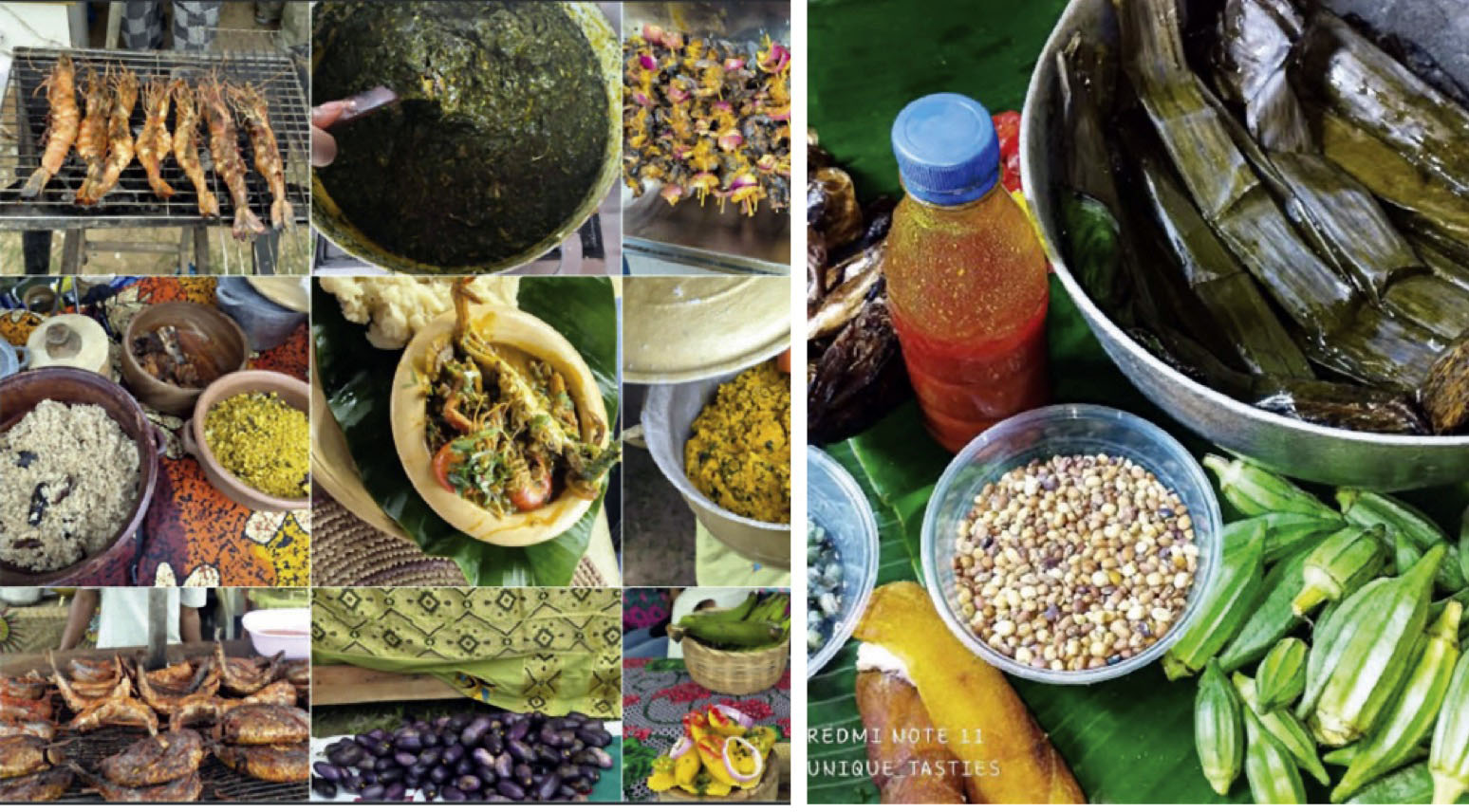
Food is more than a source of nourishment and energy. In Akwa Ibom State, the government is exploring the people’s rich culinary heritage as a tool for promoting tourism, attracting visitors and investors and diversifying the state’s economy.
With its wide variety of traditional soups, seafood delicacies and indigenous meals, Akwa Ibom is positioning its local cuisine as one of the attractions that make the state a destination of choice for tourists.
Tourism is recognised as an important contributor to economic growth, with several countries and cities around the world leveraging their cultural heritage, hospitality and tourist attractions to generate revenue and create employment.
In Akwa Ibom, tourism is one of the key components of Governor Umo Eno’s Arise Agenda, which seeks to diversify the state’s revenue base and promote sustainable development.
Beyond visiting tourist attractions and participating in recreational activities, food remains an important part of the experience of any visitor. For many tourists, tasting the local delicacies of a destination is as memorable as visiting its famous landmarks.
Akwa Ibom is particularly blessed with an impressive variety of traditional dishes that have continued to attract visitors, including people from other parts of Nigeria and beyond.
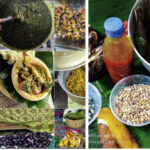
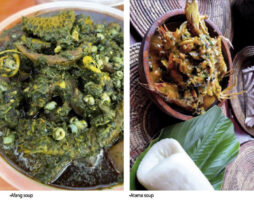
Some of the popular delicacies include Afang soup, white soup, fisherman soup, melon (egusi) soup, Edikang Ikong, Atama soup, Editan soup, Abak or Banga soup, okro soup, Efere Atong, Ekpang Nkukwo and fresh fish soup, popularly known as Ndek Iyak.

These soups are traditionally enjoyed with different swallows, including garri, semovita and pounded yam, while some can also be eaten with white rice. Goat meat, chicken and fresh fish pepper soup, prepared with local spices and leaves, are equally popular.
The different ethnic groups and communities in the state have their own distinctive ways of preparing these delicacies, adding to the diversity of Akwa Ibom’s food culture.
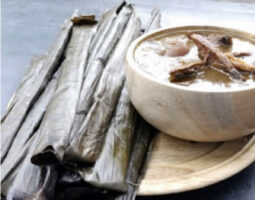
In Oron and other riverine communities, for instance, one of the traditional meals is Anyan Ekpang, prepared with raw cassava wrapped in fresh plantain leaves and cooked with ingredients such as dried fish, prawns, crabs and periwinkles. The meal is particularly valued for its distinctive taste and preparation.
Among the popular local dishes, Edikang Ikong occupies a special place in the state’s culinary culture. Indeed, there is a popular humorous belief that a married man who tastes the vegetable soup may become so attached to it that he forgets his family. While this is merely a playful saying, it reflects the pride and affection many people have for the delicacy.
Beyond their taste and cultural significance, some indigenous foods are also valued for their nutritional benefits. Foods such as ndise, pumpkin seeds (Ubong) and breadfruit are associated with traditional health claims, including their perceived benefits in preventing certain diseases. However, such claims require scientific evidence and should not be taken as established medical facts.
Other traditional meals may also be suitable for people on special diets, although individuals, particularly those living with diabetes, need to consider their dietary requirements and seek appropriate medical advice.
Other News
It is against this background that the Akwa Ibom State Government is giving greater attention to the promotion of indigenous cuisine as part of its tourism development strategy.
One of the major highlights of the 2026 Christmas celebration, organised by the state’s Ministry of Culture and Tourism, will be the inauguration of the Ibom Kitchen, an initiative designed to showcase the state’s rich culinary heritage.
Commissioner for Culture and Tourism, Dr. Anieti Udofia, disclosed this during a press conference in Uyo ahead of the 2026 Christmas festival.
Udofia said more than 4.5 million people visited the state capital during last year’s Christmas celebration, including about 700 tourists from other parts of Nigeria and different countries, among them the Portuguese Ambassador to Nigeria.
He explained that many of the visitors were attracted not only by the Christmas festivities but also by the opportunity to experience the state’s traditional meals.
According to him, the Ibom Kitchen is a signature programme introduced by Governor Umo Eno to showcase the culinary heritage of the people: “Ibom Kitchen would be commissioned during the yuletide as a signature programme introduced by His Excellency, Pastor Umo Eno, to showcase the rich culinary heritage of the state.
“Each local government area is expected to prepare and serve at least five different local delicacies indigenous to its area.
“The aim is to revive and reintroduce traditional delicacies that may have become extinct.
“The kitchen will be commissioned by His Excellency, the Governor, on November 30, 2026 to be used throughout the yuletide.”
The commissioner further disclosed that the state government was in talks with popular chef and Guinness World Record holder, Hilda Baci, who hails from Akwa Ibom, to manage the facility and ensure that it meets international standards.
“We are currently in talks with Hilda Baci to serve as the face of the Ibom Kitchen and an agreement between government and the Guinness World Record holder will be signed in the days ahead for her to become the face of the Ibom Kitchen.”
He said the theme of this year’s Christmas Village, “Taste of Akwa Ibom: Our Food, Culture & Heritage”, reflects the central role of indigenous cuisine in the state’s cultural identity and tourism promotion.
“Last year, we constructed over 300 kiosks to serve our indigenous foods to our people and tourists. This year, we would have our kitchen where all foods would be served.”
Udofia said the 2026 edition of Ibom Christmas Unplugged and the Akwa Ibom Christmas Carols Festival had been rebranded, with new events and attractions introduced to make the celebration more exciting than the 2025 edition.
“The 2026 edition of Ibom Christmas Unplugged and the Akwa Ibom Christmas Carols Festival has been rebranded and promises to be an improved and more exciting version of the 2025 edition, with the introduction of new events and programmes such as the Ibom Kitchen, Mbopo Beauty Pageant and other attractions.”
According to him, the opening ceremony will take place on November 30 at Unity Park, with the launch of Ibom Kitchen and the remodelled Ibibio Union Museum.
He added that a carnival street party would also be held, with participants moving from Ibom Plaza to the Christmas Village along Udo Udoma Avenue to herald the commencement of the festival.
A major feature of the Ibom Kitchen will be the participation of the state’s 31 local government areas, each of which is expected to present at least five indigenous delicacies. The initiative is also expected to bring attention to traditional meals that are gradually disappearing from people’s dining tables.
Apart from tourists and other visitors, members of the State Executive Council, local government chairmen, civil servants, children and other important personalities will have designated days to experience the different delicacies.
The commissioner also said non-indigenes residing in Akwa Ibom would be accommodated through a special day dedicated to them, giving residents from different parts of the country an opportunity to experience the state’s food culture.
“A day will be dedicated to non-indigenous residents of Akwa Ibom State, including people from the Igbo, Yoruba, Hausa and other ethnic groups,” he said.