Follow Us on Google
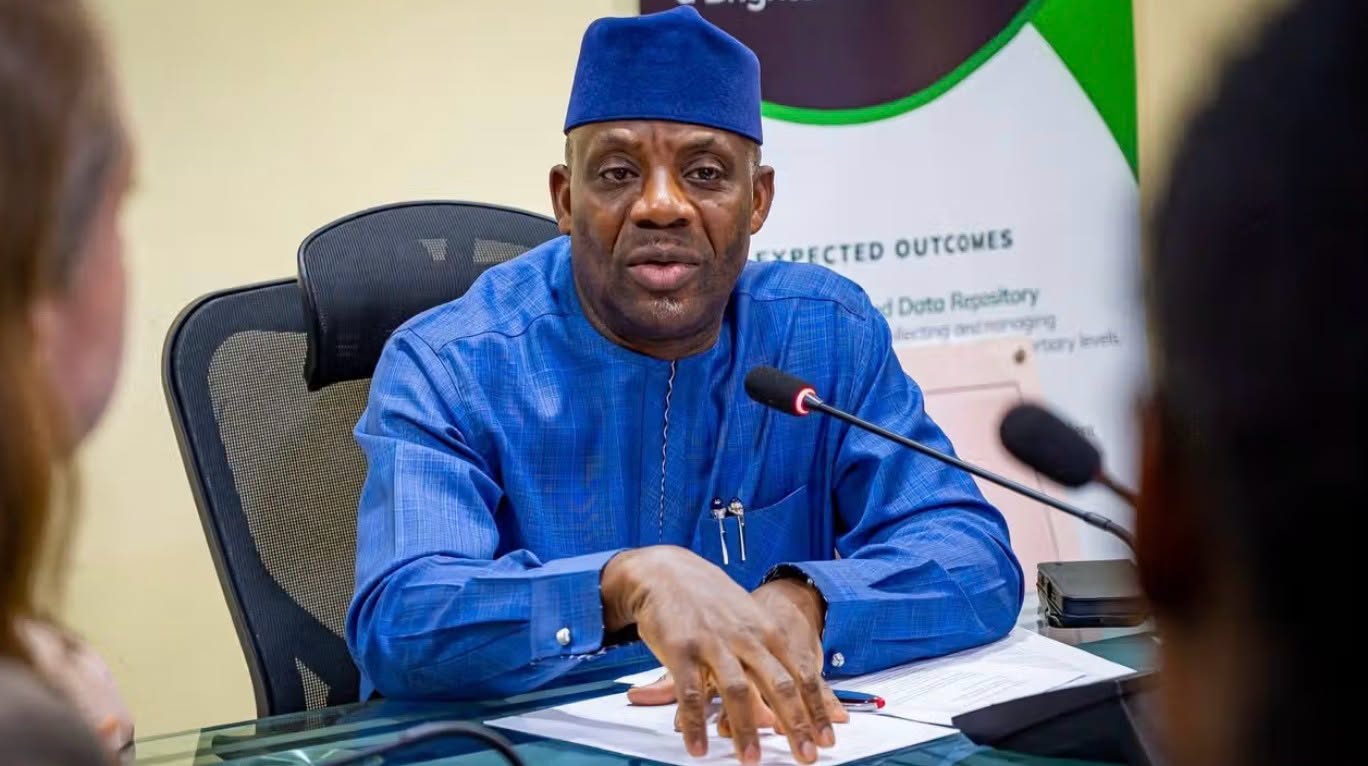
Alausa warned that the practice had made it difficult for regulators to establish the actual number of students being trained and was undermining the credibility and quality of tertiary education.
He linked the situation to concerns about the quality of graduates entering the labour market, noting that employers increasingly complain that only a small proportion of hundreds of applicants possess the competence required for available jobs.
The minister also accused some tertiary institutions of manipulating accreditation exercises by temporarily borrowing or moving personnel, equipment and other facilities to programmes undergoing assessment, only to withdraw them after accreditation teams had left.
He charged the Oloyede-led committee to close the loopholes and move tertiary education away from periodic accreditation visits towards continuous quality assurance.
Under the proposed system, digital technology would be deployed to continuously track student enrolment, academic staff, facilities and equipment available to programmes.
Other News
Alausa said institutions should be assessed on the basis of resources they actually possess and can sustainably maintain rather than facilities hurriedly assembled for accreditation visits.
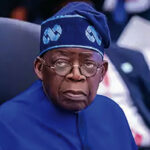
He warned that the Federal Government would hold institutions and regulators responsible for breaches, saying officials who fail to enforce standards under President Bola Tinubu’s administration could lose their jobs.
Private institutions found culpable of serious regulatory violations, he added, could have their licences withdrawn.
Alausa said the reforms were necessary to restore credibility to the tertiary education system and protect students from being enrolled in programmes whose qualifications could ultimately lack regulatory recognition.
He charged the committee to recommend practical measures to establish a more transparent, credible and technology-driven accreditation and quality-assurance system across universities, polytechnics and colleges of education.