Follow Us on Google
From Juliana Taiwo-Obalonye, Abuja
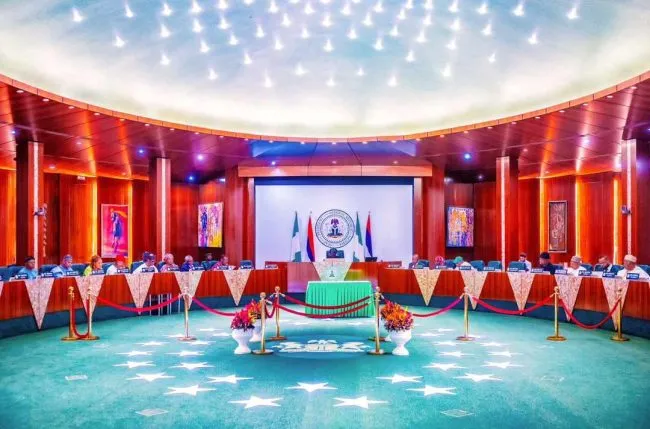
In a significant move to boost the healthcare sector, the fourth Federal Executive Council (FEC) meeting for the year, on Wednesday, approved a total sum of ₦10.299 billion for various initiatives aimed at enhancing access to quality health services across Nigeria. This substantial investment reflects the government’s commitment to improving healthcare accessibility and affordability for Nigerians, according to Coordinating Minister of Health and Social Welfare, Ali Pate.
He detailed the allocations, highlighting several key areas of focus. “We are making steady progress in line with the President’s aspiration to ensure that Nigerians get access to quality health services and that they can afford,” he stated.
Pate said that a significant portion of the approved funds, ₦997 million, will be dedicated to procuring third-line antiretroviral drugs. This is crucial for supporting HIV treatment, particularly for those resistant to first- and second-line treatments.
“The third line antiretroviral drugs are for those who are resistant, and there is a putting forth of resources, almost 997 million naira worth of contract to procure these drugs for those who are HIV infected,” he explained.
“I believe you will understand the importance of this, given the changes in the global health financing and moving towards most of domestic financing to allow Nigerians to continue on treatment and they require.”
Other News
Another major allocation is for the procurement of locally manufactured diabetes diagnostic kits, amounting to ₦2 billion. This initiative not only addresses the growing prevalence of diabetes in Nigeria but also promotes local manufacturing and healthcare value chain development.
“Diabetes is a major issue in our country. It’s among the fastest growing segment. We have lots of our population suffering from diabetes, and some are not even aware they have diabetes,” he noted. “We are having a local company for the first time, one of the first in the continent who will manufacture this diagnostic test kits in Nigeria,” Pate said.
Additionally, he said a medical relief programme will procure antibiotics, antihypertensives, and antidiabetic medications worth ₦4.5 billion, all manufactured by local companies. This effort, he said, aims to lower the cost of these essential medications and support local industries.
Lastly, Pate said FEC also approved ₦2.1 billion for the Abubakar Tafawa Balewa University Teaching Hospital in Bauchi. This includes the procurement of a mobile X-ray machine and the rehabilitation and equipping of a 64-slice CT scan. “So that the diagnostic services and the clinical care that Nigerians will receive in that hospital will be of the highest quality that we can make it,” he emphasised.
He said these investments are part of broader efforts to transform Nigeria’s healthcare sector, addressing systemic challenges and improving access to quality services.