Follow Us on Google
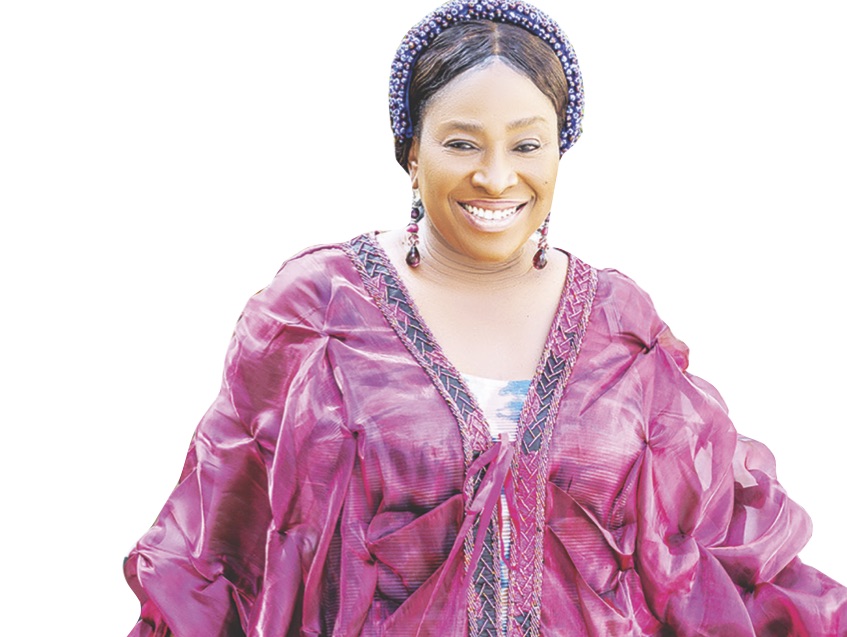
By Christy Anyanwu
Nikki Odu-Khiran, a graduate of the London College of Fashion, is the founder of Nikki Khiran Couture, a luxury fashion brand with over three decades of history, built on consistency, craftsmanship, and an unwavering commitment to excellence. Over the years, the brand has had the privilege of dressing some of the most remarkable women across Africa and internationally – women who understand the power of clothing not just as fashion, but as identity, confidence, and self-expression. In this interview with Sunday Sun, she spoke about her brand, why she’s been off the social scene in Lagos, and lots more.
You have been one of the A-list fashion designers in Nigeria for a while now but, all of a sudden, you went out of the glamour scene. What’s happening to you and your brand?
I never stopped being an A-list designer. Our Ready-to-Wear line is rooted in ethnic-inspired resort wear – luxurious yet effortless pieces designed for the woman who lives globally and dresses intentionally. Alongside this sits our Couture line, created for the woman who desires something truly exceptional for life’s most important moments. These are garments made with soul, story, and substance.
My relocation from Lagos to Abuja was a conscious lifestyle decision, not a professional retreat. Lagos is vibrant, fast-paced, and undeniably influential – but Abuja offered me something different: serenity, structure, and a better quality of life. The calmer environment allows for deeper creativity, clearer thinking, and balance.
In today’s world, geography no longer defines relevance. Fashion is global, and so is my clientele. I can service clients from anywhere, and I do. Abuja may be my base, but my work travels effortlessly across borders. The world truly is a global village.
My focus has increasingly shifted toward North America, particularly the United States, where I spend a significant amount of time. This exposure keeps the brand internationally relevant and aligned with a global luxury consumer – one who appreciates craftsmanship, heritage, and refined individuality.
Sometimes, when you pause to breathe, reflect, or recalibrate, people assume you have left the scene. But longevity in fashion is not about constant noise – it is about evolution. I did not disappear; I simply changed direction.
Still Here. Still Evolving. Nikki Khiran Couture is still going strong – grounded in heritage, driven by purpose, and focused on the future. Longevity in fashion is earned through authenticity, adaptability, and an unshakable belief in one’s craft.
Fashion remains deeply embedded in who I am. It is not something I do – it is who I am.
What ignited your passion for fashion design, coming from a background of educated and professional parents?
God blesses people with different gifts. Fashion design and creativity happen to be mine.
From as early as nine or 10 years old, I knew with absolute certainty that I would be a fashion designer. There was no confusion, no second option. Creativity surrounded me growing up. My mother, despite being a highly accomplished academic with a PhD in Education, was incredibly creative. My father, a mathematician and physicist, represented structure and logic. While I may not have inherited his scientific brilliance, I did inherit a disciplined mind – an invaluable asset in building a lasting brand.
Creativity and structure coexist beautifully in fashion, and I embody both.
What were your family and friends’ reaction to your choice of career, which was merely known as ‘tailor’ in Nigeria years back?
Initially, my parents were disappointed. With two highly educated parents, their hopes for their first child leaned toward medicine, engineering or law – respected and traditional professions. But I was resolute. Having been educated in the United States and England, my worldview was different, broader, and more daring than it might have been had I spent all my formative years in Nigeria.
Other News
I stood firm in my conviction and went on to study at the London College of Fashion, where I majored in Fashion Design Technology. That education gave me technical grounding, global perspective, and the confidence to build a brand with international standards.
Today, the creative industry is celebrated. Forty years ago, it was not. I consider myself fortunate to have stayed true to my calling, even when it went against expectation.
As a fashion entrepreneur, which cities do you think are more fashion-oriented now that you are based in Abuja?
Lagos will always be the fashion capital of Nigeria. There is no comparison in terms of energy, style, industry events, and sheer creative momentum. It is the heartbeat of Nigerian fashion.
Abuja, on the other hand, offers ease – better infrastructure, less congestion, and a more relaxed pace. For me, it provides the balance needed to create intentionally. I return to Lagos when necessary, remaining fully connected to the industry while enjoying the advantages of both cities.
What are some of the other things that occupy your time?
About four and a half years ago, I took on the role of Executive Editor of LEVOGUE Magazine, the fashion and lifestyle Sunday insert of Leadership Newspaper. It was an intense yet enriching experience that deepened my respect for journalists and members of the press. Producing meaningful editorial content requires discipline, curiosity, and relentless hard work.
Though the magazine is currently on hold, the experience expanded my perspective beyond design – into storytelling, media, and cultural documentation. In parallel, I have been spending more time in the United States with my family while actively building the Nikki Khiran Couture brand there.
More recently, I have become deeply invested in African Fashion Week Toronto, introduced to me by the couture king Adebayo Jones. The platform is doing exceptional work in showcasing African excellence to the North American market – creating visibility, credibility, and opportunity for designers who truly understand their craft.
What are some of the changes that you would like to see in Nigeria today, in terms of the fashion industry and style?
The Nigerian fashion scene has grown tremendously, with an abundance of young talent and increasing global recognition. There are designers doing outstanding work – creatives who can genuinely compete on the international stage.
However, there is also a proliferation of mediocrity. In Nigeria, anyone who employs one or two tailors often claims the title of “designer.” For those who have spent decades honing their skills, refining their aesthetic, and building a brand with intention, this can only be viewed with amusement.
Nigerians are undeniably fashionable, yet there is a cultural tendency to prioritise quantity over quality. Social media has further complicated matters – Instagram is saturated with copy-and-paste aesthetics and little originality. Modesty and elegance appear to be fading, replaced by the notion that exposure equals style.
I strongly believe that women should dress the way they want to be addressed. Fashion is powerful; it communicates values, confidence, and self-respect long before words are spoken.
What lessons have you learnt about life?
At the core of everything I believe and practise this truth: A good name is better than silver and gold; Consistency and hard work are always rewarded- perhaps not immediately, but inevitably; Humility is essential for growth, no matter how accomplished one becomes; Comparing yourself to others is a thief of joy; God’s timing is always perfect; Spend time with people who bring you joy; Remember that social media is largely an illusion – do not emulate what you see there. Real life happens offline.