Follow Us on Google
By Bianca Iboma -Emefu
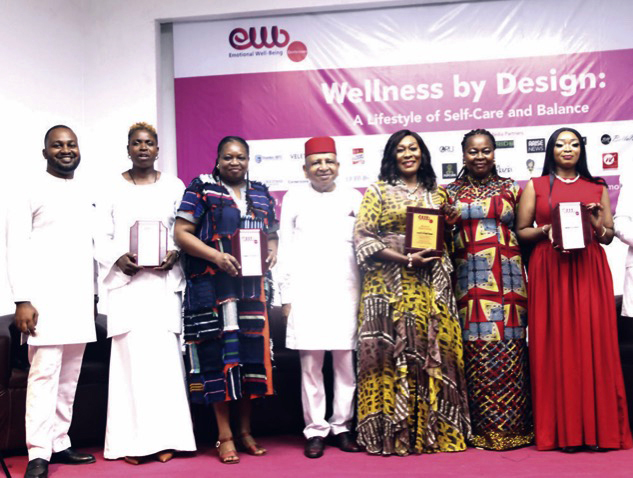
The 10th edition of the Emotional Well-Being Conference themed, “Wellness by Design: A Lifestyle of Self-Care and Balance,” marked a significant shift in the conversation around women’s emotional health. Held at the Nigerian Institute of International Affairs, Lagos, the conference brought together experts from various fields to deliver a unified message: it’s time for Nigerian women to move beyond mere survival and start designing their well-being.
The conference, which began in 2017 as a safe space for women to share their stories of pain and struggle, has evolved into a powerful platform for empowerment. This year’s edition focused on reframing emotional health as a strategic, intentional practice, rather than just a means of coping with the pressures of modern life.
According to convener, Ijeoma Anyiam-Osigwe, the conference’s origins were rooted in the stark reality of women’s experiences in Nigeria. She said: “Women are consistently relegated in workplaces, silenced in homes, and burdened by invisible struggles. It’s time for us to take control of our emotional well-being and create a lifestyle of self-care and balance.”
The conference featured a diverse lineup of speakers, including clinical mental health therapist, Funmto Ogunbanwo; pharmacist and retail executive Bawo Ogunro, and counselling psychologist, Dr Mrs Celine Njoku, among others. It was ably chaired by Dr Elizabeth Ifeyinwa Jibunoh, a wellness advocate and empowerment champion. They converged on a critical concern: the modern Nigerian woman is navigating a complex web of pressures, including career demands, family responsibilities, societal expectations, and unresolved trauma, often without adequate support systems.
The result, they warned, is a growing burden of emotional depletion, which can have far-reaching consequences for individuals, families, and society as a whole. But rather than simply diagnosing the problem, the conference focused on redefining the response.
Anyiam-Osigwe: “This is a call to action. Wellness is not a luxury reserved for burnout. Balance does not happen by chance – it must be created.”
Other News
The conference emphasised the importance of intentionality in designing emotional well-being, encouraging women to make conscious, everyday choices that prioritise their mental health and self-care.
The conference also expanded its scope to include a dedicated teen-focused discussion moderated by Ndidi Edeoghon (Coach DiDi), recognising that emotional resilience must be cultivated early. Throughout the conference, participants engaged in highly interactive sessions, sharing personal stories and practical tools for navigating mental health, relationships, and work-life balance.
The long-term goal of the conference is broader than individual healing. By positioning emotionally balanced women as catalysts for stronger families, healthier children, and more stable institutions, the conference is advancing a framework for societal transformation. And with the support of organisations like Flour Mills of Nigeria Plc, Intercontinental Distillers Limited, Stanbic IBTC Holdings, Mouka Limited, The Coca-Cola Company, Studio 24, and other corporate sponsors, over the decade, the conference has remained accessible and continues to spread its message of emotional well-being to a wider audience.
Co-founder of the initiative, Charles Anyiam Osigwe emphasised that “to be effective and productive, an individual must be emotionally sound.” Over the years, the annual gathering has provided a space for sharing real stories of resilience, survival, and healing — from assault and abuse to the everyday pressures affecting the 21st-century woman, her family, and her community.
Mr. Anyiam-Osigwe said that from the organisers’ and supporters’ view, it is a vital social intervention that challenges stigma and promotes proactive mental and emotional care.
As the Emotional Well-Being Conference enters its second decade, its core mission remains clear: destigmatise difficult conversations, empower individuals with knowledge, and foster a culture where seeking help for emotional challenges is seen as strength, not weakness.