Follow Us on Google
From Juliana Taiwo-Obalonye, Abuja
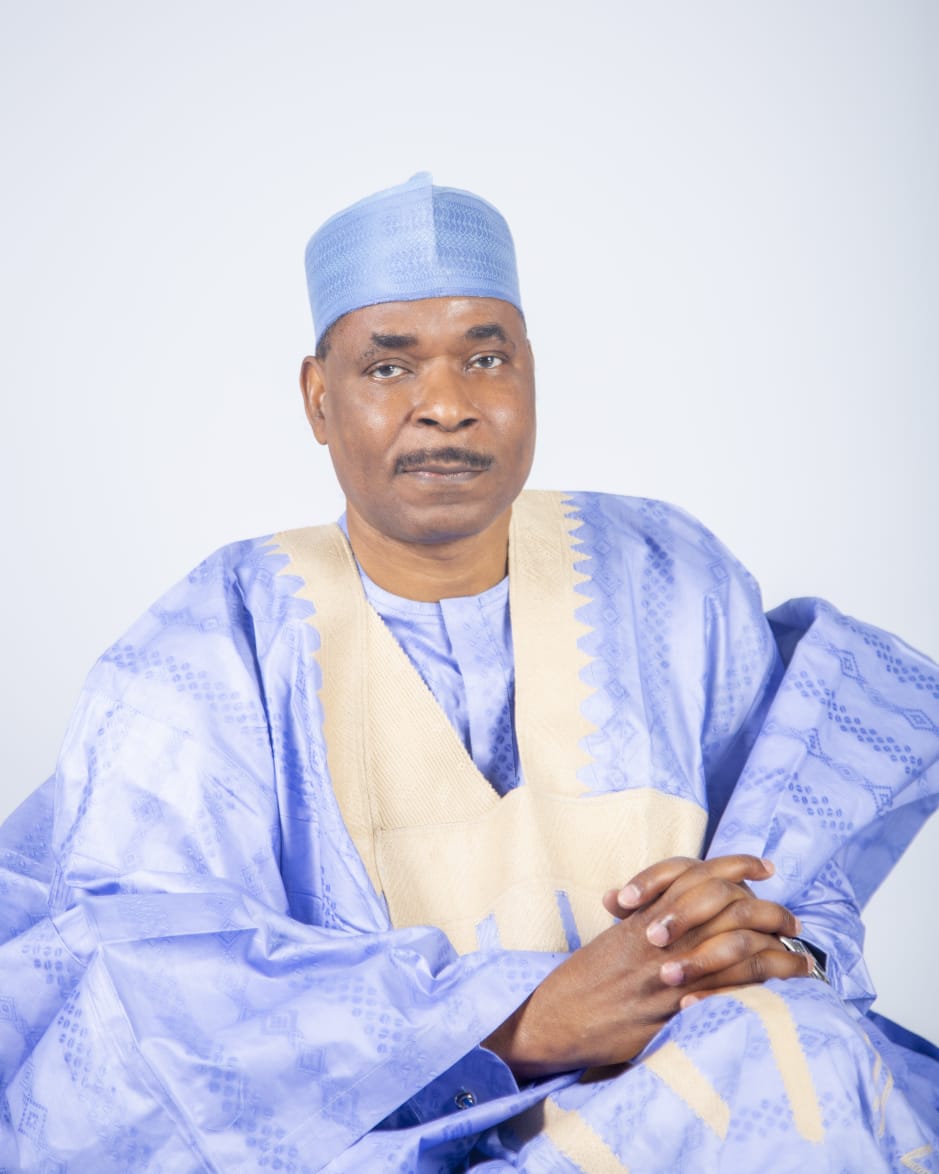
Former Inspector General of Police, Mohammed Adamu, has given an account of how former president, Muhammadu Buhari, handled the 2020 #EndSARS protests, insisting that his directive to the police was to protect lives, use non-lethal force and exercise maximum restraint.
In the book, ‘From Soldier to Statesman: The Legacy of Muhammadu Buhari, written by Dr. Charles Omole, Adamu, who was IGP during the nationwide youth-led protests, situated #EndSARS as the climax of a long-running public anger against police brutality, especially the disbanded special unit.
“There was a long arc of complaints about police conduct,” he recalls. “The special unit’s abuses and harassment of youths had built up over time. A specific incident in Port Harcourt became a flashpoint; a prominent voice catalysed protests online; then, the streets filled.”
According to him, the movement soon attracted powerful backers. “Some political actors helped extend the action,” Adamu claims. “They provided logistics, food, funds and coordination, making what should have been a short protest feel like a siege.”
At the heart of his narrative is what he describes as Buhari’s unwavering order on how to police the protests. “President Buhari’s standing instruction for policing #EndSARS was simple and firm,” Adamu says. “Treat citizens with civility; avoid loss of life; rely on non-lethal means to disperse where necessary.”
He stressed that Buhari repeatedly drew a line between military and police roles.
“The President’s emphasis aligned with a policing mandate distinct from the military’s,” Adamu explains. “In civil contexts, the police are trained to preserve life, engage and de-escalate. That was what he kept hammering: preserve life, de-escalate, use non-lethal tools.”
Armed with that directive, the former IGP said he embarked on a nationwide tour of police commands to enforce what he calls the use-of-force continuum.
“I went round commands across the country. I told my officers: start with presence, verbal warnings, positioning and barriers. Then shields and batons. Only after that should you consider non-lethal dispersal tools such as tear gas and water, where available.
“Firearms,” he insists, “should be a last resort to protect life; never the first response to crowd disorder. I repeatedly warned officers against using lethal force.”
Adamu directly linked the presidential directive to what he describes as the relatively low number of confirmed police shootings during the crisis.
“I credit Buhari’s instruction — and my dissemination of the same — for the few recorded cases of police shooting during the protests. The standing order I carried from him to the police was to exercise restraint and protect life at all costs.”
Speaking on nightly security meetings and Lagos soldiers, Adamu painted the behind the scenes, he paints a picture of an organised security architecture meeting daily at the height of the unrest.
“At the strategic level, we had nightly meetings of service chiefs and intelligence heads. We divided responsibilities: police nationwide; military in combat zones; navy at sea; all sharing intelligence.”
He described the deployment of soldiers in Lagos as a state-triggered request built on that broader framework.
“The Lagos request for soldiers was a state activation on top of an already agreed national posture. Soldiers are trained for combat, police for civil order. That difference, in my view, explains the divergence in tactics that people saw.”
On the most contentious episode of #EndSARS — the alleged killing of protesters at the Lekki Toll Gate — Adamu pointedly declined to be drawn into figures or conclusions.
“I chose not to comment on the number, if any, of protesters killed at the Toll Gate in Lagos. Part of the reason was that the police were not being accused of those particular killings, and an enquiry panel had already examined the issue.
“What I can emphasise is that during the protests, the standing order from Buhari to the police was to exercise restraint and protect life at all costs. That did not change.”
Adamu insisted that government’s response met core demands of the protesters, but argues that the demonstrations were later hijacked for political ends.
“The government accepted core protest demands. We disbanded the special unit. Yet, even after acceptance, protests persisted.
“To me, that signalled that political actors were now using the momentum against the government more broadly. But this did not alter Buhari’s policing instructions. His directive remained ‘keep citizens safe, manage crowds with non-lethal tools, and avoid lethal measures.’”
Reflecting on Buhari’s leadership style through the #EndSARS crisis, Adamu framed it as a case study in control and restraint.
“In my account, Buhari’s leadership is a framework of control. Self-control — he was composed. Process control — how he handled files, memos, verification. And force control — using restraint as a standard order.
“The #EndSARS crisis illustrates how principles turned into action. How a Commander-in-Chief’s priority on safeguarding lives translated into engagement protocols and discipline on the ground. In addition to tangible modernisation efforts, that ethic of restraint remains a valuable legacy.”