Follow Us on Google
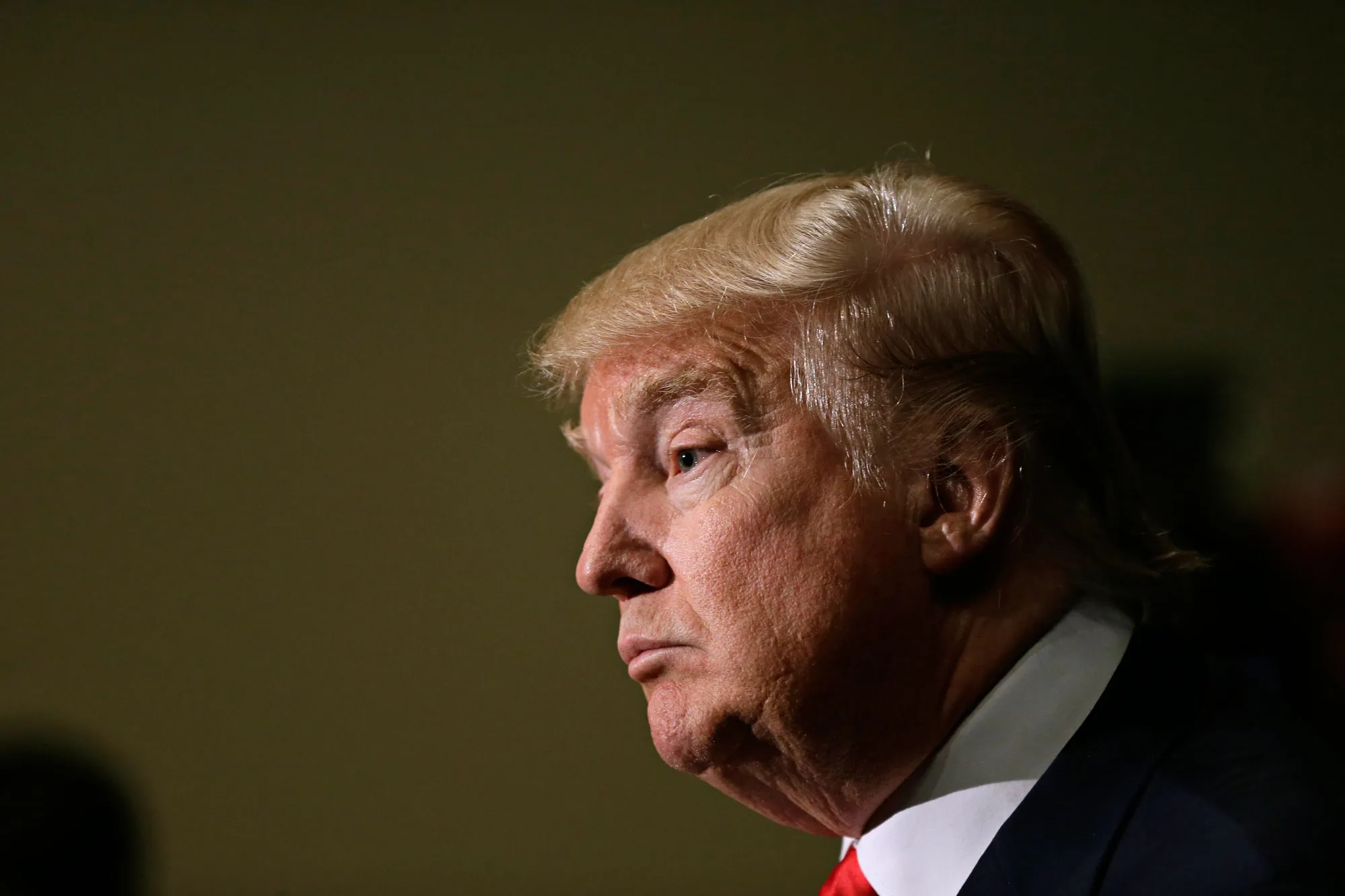
European leaders have pushed back against a call by US President Donald Trump for allies to deploy military support to secure the Strait of Hormuz, as tensions from the ongoing Middle East conflict continue to disrupt global oil markets.
The position emerged during a meeting of European Union foreign ministers in Brussels, where officials demanded clarity on the objectives and scope of the military campaign involving the United States and Israel against Iran.
Trump had urged countries including the United Kingdom, France and other NATO allies to send naval forces to keep the critical oil route open, warning that failure to act could have consequences for the alliance.
However, European governments signalled caution, with several insisting they would not be drawn into what they described as a conflict they did not initiate.
Germany’s Foreign Minister, Johann Wadephul, said Berlin had no intention of participating in military operations, stressing the need for clear communication from Washington on the endgame of the conflict.
Other News
“We expect to be informed about what they are doing and whether those goals have been achieved,” he said.
Other European officials echoed similar concerns. Germany’s Defence Minister, Boris Pistorius, questioned the logic behind the request, noting that a limited European naval presence would add little to the capabilities already deployed by the US.
Across the bloc, countries including Greece, Italy and Poland indicated reluctance to commit forces without a formal NATO framework, while the United Kingdom, through Prime Minister Keir Starmer, said efforts were ongoing to explore a coordinated approach but ruled out being drawn into a broader war.
Meanwhile, the International Energy Agency said it stood ready to release additional oil reserves to stabilise the market, warning that the disruption to supply linked to the strait could rank among the most significant in modern history.