Follow Us on Google
•Advocate balanced transition
From Adanna Nnamani, Abuja
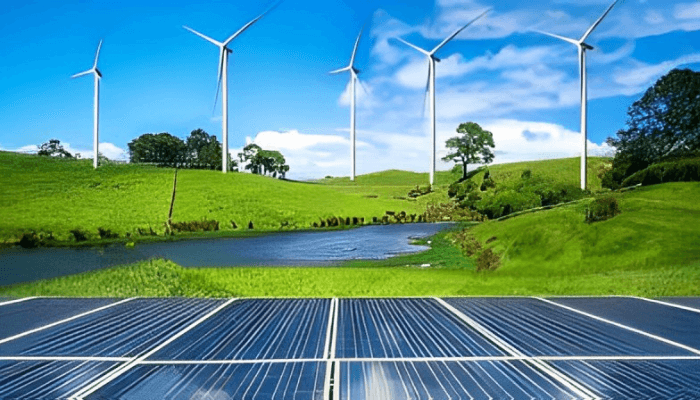
Energy experts have emphasised the importance of creating a conducive environment for domestic and international investments to drive Nigeria’s energy transition.
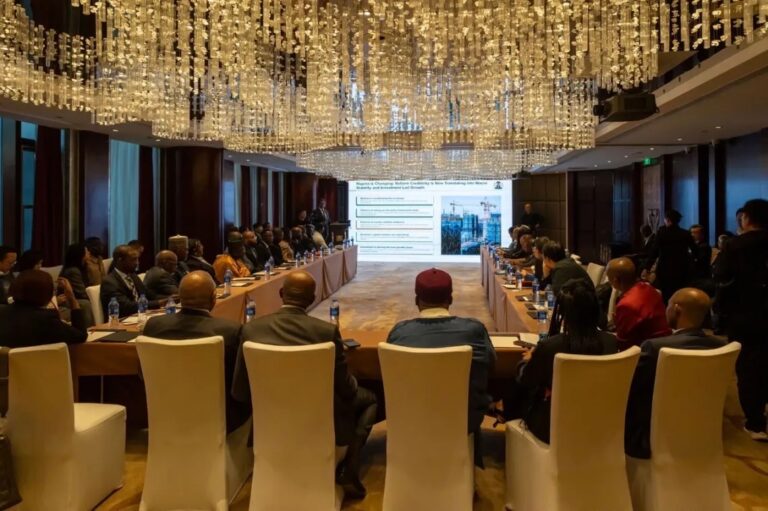
Speaking at a high-level energy forum in Abuja on Monday, stakeholders discussed the need for policy reforms and infrastructure development to attract funding for projects that can meet the nation’s energy needs while addressing global climate goals.
Frank Edozie, Director of Power Component at the United Kingdom Nigeria Infrastructure Advisory Facility (UKNIAF), highlighted Nigeria’s unique position in the energy transition landscape, arguing that external assistance alone cannot solve the country’s challenges.
“The help we need cannot come from outside. We must create the environment to attract the help we need. we have had an exodus of international investment. International investors are leaving Nigeria for countries like Kenya, Ghana, and South Africa. To reverse this trend, we need to establish the right conditions for investment,” Edozie said.
Edozie underscored the critical role of natural gas in bridging Nigeria’s energy deficit, stating that renewable energy sources alone cannot provide universal access in the short term.
“People need power, and until we achieve universal energy access, we will remain underdeveloped. Solar energy alone cannot meet our needs, especially during non-sunny hours. Gas is essential for powering our plants and ensuring reliability,” ” he stated.
Other News
He also called for the utilization of Nigeria’s untapped non-associated gas reserves in inland basins to drive industrial growth and power generation.
Touching on climate finance and its role in funding Nigeria’s energy transition, Edozie criticized the lack of projects that attract significant climate finance, describing it as “a pie in the sky” without actionable plans.
“We must focus on development projects that have measurable impacts on people and generate returns for investors. This will make Nigeria more attractive for climate finance,” he said.
Also speaking, Aaron Sayne, Lead for Domestic Energy Transition at the Natural Resources Governance Institute (NRGI), stressed the importance of aligning infrastructure and policy to ensure a seamless transition. He highlighted the challenges of balancing gas and renewable energy sources.
“For gas, you need long-term production planning. For renewables like solar and wind, the issue is managing their intermittency,” Sayne explained. “If we fail to balance these energy sources effectively, we risk overpaying for fuel or electricity we do not use or facing supply disruptions.”
In her remarks, Doris Edem Agbevivi, Lead Project Coordinator for Ghana’s Drive Electric Initiative, shared lessons from Ghana’s energy transition.
She noted that regulatory frameworks, private-sector involvement, and public awareness are crucial in fostering renewable energy adoption.
“We have seen progress in Ghana through targeted policies and public-private partnerships. Nigeria must adopt similar strategies to attract investments and transition sustainably,” Agbevivi said.