Follow Us on Google
By Damilola Fatunmise
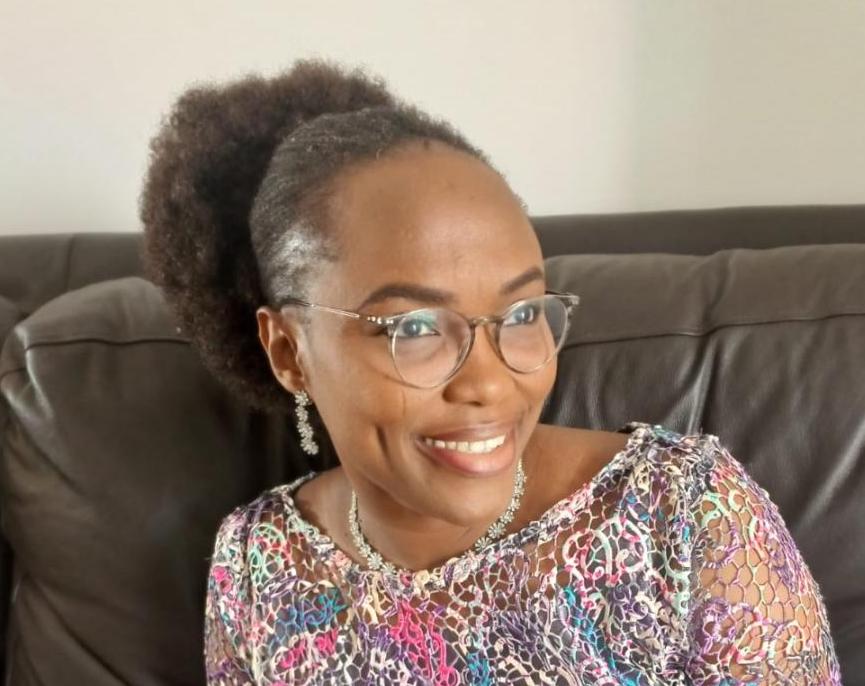
In this compelling interview, Nkoyo Lynn Majebi, an accomplished professional in global health, sociology, and child welfare, reflects on her impactful career, addressing pressing issues in both Nigeria and the UK. With her unique ability to blend empathy and evidence-based practices, she shares how her work has reshaped policies and transformed lives across two distinct cultural landscapes.
Ms. Nkoyo, your work has spanned continents, addressing critical issues in Nigeria and the UK. Can you tell us about one of the most pressing challenges you’ve worked on in Nigeria and how you’ve approached it?
One of the most urgent issues I’ve addressed in Nigeria is menstrual health and the widespread problem of period poverty, a term used for the absence of access to hygiene requirements and menstrual products for managing sanitary conditions during monthly flow. Millions of young girls miss school each year because they lack access to sanitary products and face stigmatization. Through a notable anti-stigmatization Initiative, I’ve been part of efforts to break this cycle. For instance, in a rural community in Nasarawa State, we provided menstrual hygiene kits and conducted awareness workshops with students, parents, and teachers. One girl, Aisha, stands out to me—she had been skipping school during her periods and falling behind academically. After receiving support and education, she returned to school, and her confidence visibly improved. Her parents also became advocates for menstrual health, helping to shift community attitudes. This experience underscored the power of combining practical interventions with community engagement. It’s not just about providing resources but also about changing mindsets and ensuring sustainable impact.
And how have you used your work to influence policies related to period poverty in Nigeria?
Addressing period poverty at scale requires systemic change, which is why policy advocacy has been a major focus for me. Using data from our programs, we demonstrated to local governments how period poverty affects girls’ education and overall community well-being. In Nasarawa and Kaduna States, I worked with stakeholders to propose pilot programs that supply free menstrual products in public schools. These programs are now being implemented, and while they’re still in their early stages, the results have been encouraging. School attendance among girls in participating areas has increased, and we’re seeing more open conversations about menstrual health in these communities.
In the UK, your work has tackled different challenges, particularly in child welfare. Can you share an example of how you’ve addressed these issues?
One of the significant challenges in the UK is supporting children with special needs in care systems. During my role at 5Ab Care Ltd, I worked closely with children facing complex emotional and developmental challenges. I remember a young boy, Daniel, who struggled with severe attachment issues due to past trauma. By developing a personalized care plan that combined therapy, consistent routines, and positive reinforcement, we helped him build trust and emotional resilience. Over time, Daniel began forming meaningful relationships and excelling in school. This experience highlighted the importance of tailoring care to each child’s needs and involving their support network—whether that’s foster parents, educators, or therapists. These small, focused efforts create ripple effects that transform lives.
How does your sociological background inform your work in child welfare in the UK?
My background in sociology gives me a unique perspective on the systemic factors influencing child welfare. In the UK, I’ve used this understanding to advocate for policies that go beyond safeguarding to promote children’s emotional and social development. For instance, I contributed to recommendations for improving care planning standards at 5Ab Care Ltd. These included prioritizing the voices of children in decisions about their care and training staff to adopt trauma-informed practices. While these changes are still being integrated, they’ve already started shaping how care is provided in some settings.
Let’s talk about bridging these two worlds—how have your experiences in Nigeria informed your work in the UK, and vice versa?
Working in both countries has given me a broader understanding of how cultural and systemic differences shape social challenges. In Nigeria, many of the issues I’ve addressed like girls period poverty require community-level interventions and a deep understanding of cultural dynamics. Meanwhile, in the UK, I’ve worked within structured systems that often focus on compliance and policy frameworks. The human touch remains constant in both settings. In Nigeria, it’s about building trust with communities to tackle deeply rooted stigmas. In the UK, it’s about making policies more compassionate and centered around the individual needs of vulnerable children. For example, my work in Nigeria taught me the value of engaging families as allies in addressing challenges. I’ve applied this in the UK by emphasizing family involvement in care plans for children, particularly those with special needs. Conversely, the structured approach in the UK has influenced how I advocate for more policy-driven solutions in Nigeria.
What challenges have you faced in implementing your initiatives in both countries, and how have you overcome them?
Cultural stigma has been a significant challenge in Nigeria, particularly around issues like menstruation and autism. Overcoming these barriers requires patience and persistence. I’ve found that involving community leaders and using local champions to spread awareness is incredibly effective. In the UK, the challenge often lies in navigating bureaucracy and ensuring that the voices of marginalized groups are heard. Here, I’ve focused on building strong cases backed by data and real-life stories to advocate for change. It’s about finding a balance between compassion and strategy.
Looking ahead, what’s next for you in your mission to drive social change in both Nigeria and the UK?
My next goal is to scale these efforts further at a global scale. In Nigeria, I’m working on expanding menstrual health programs to more states and pushing for national-level policies that make menstrual products accessible to all school girls. I’m also looking to establish training programs for teachers and caregivers to better support children with special needs. In the UK, I want to continue advocating for trauma-informed care practices in child welfare systems. I also hope to contribute to broader discussions on how inclusive education can be strengthened for children with developmental challenges. Ultimately, I believe that sustainable change comes from building bridges—between communities, policymakers, and systems—and ensuring that the human touch remains at the heart of every solution.