Follow Us on Google
By Lawrence Agbo
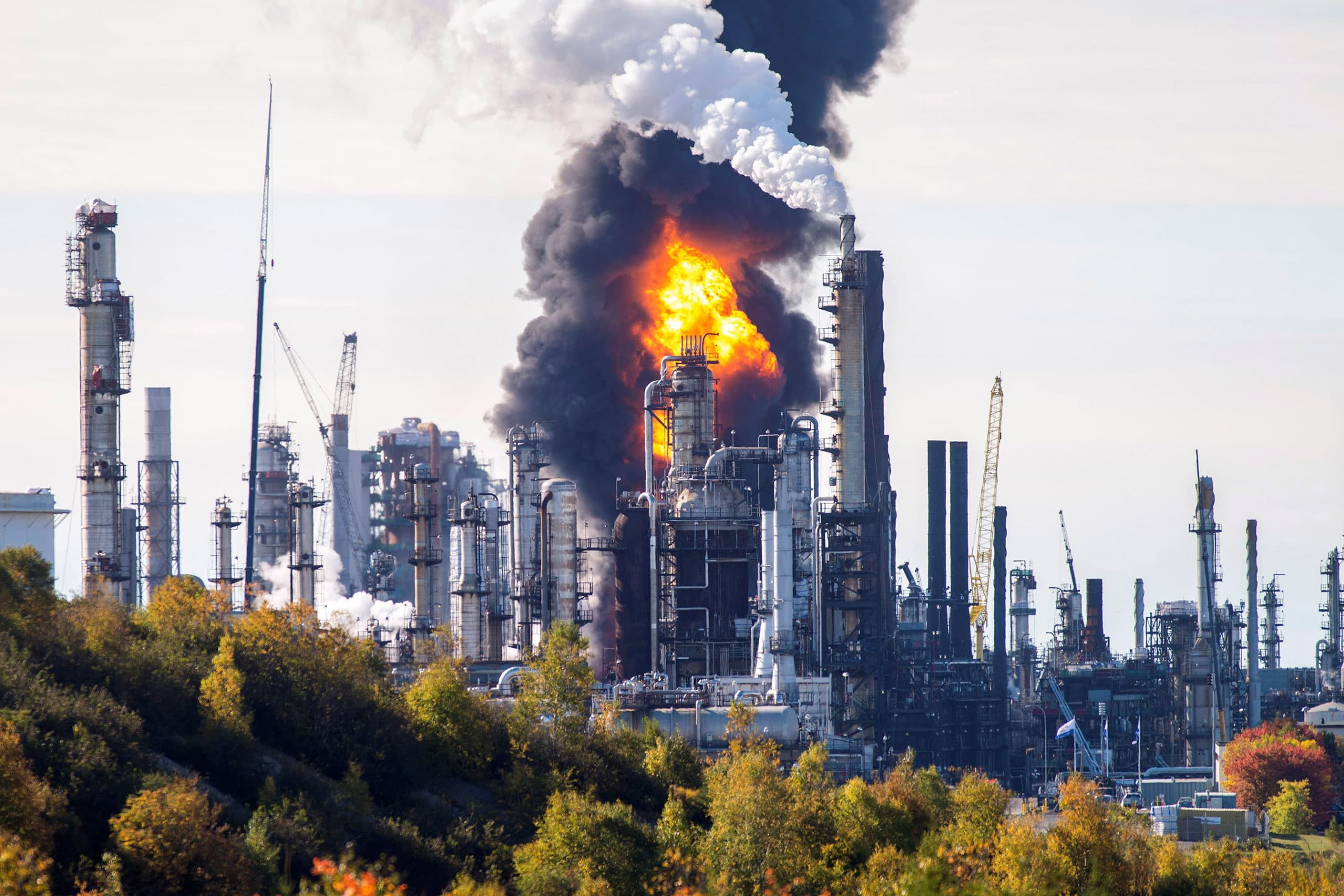
Eid al-Fitr celebrations have been disrupted on Friday after a drone attack set fire to Kuwait’s Mina Al-Ahmadi oil refinery, as Iran continued its wave of strikes on Gulf energy infrastructure. Authorities reported no immediate casualties as firefighters contained the fire.
The attack comes a day after Iran attacked the Ras Laffan LNG complex in Qatar, causing “extensive damage” and raising fears of lasting disruption to global oil and gas supplies.
The strikes are in retaliation for an Israeli strike on Iran’s South Pars gas field, which is vital to Iran’s domestic energy supply and holds part of the world’s largest natural gas reserve.
Israeli Prime Minister Benjamin Netanyahu claimed Iran’s missile capabilities were being weakened, saying the conflict “is ending a lot faster than people think.”
“We are winning and Iran is being decimated,” the Israeli premier said at a press conference on Thursday.
Although Iran’s Revolutionary Guards spokesperson, Ali Mohammad Naini, was later killed in US-Israeli strikes, Iran vowed to keep producing missiles even throughout the war.
Other News
“Our missile industry deserves a perfect score… and there is no concern in this regard, because even under wartime conditions we continue missile production,” Iran’s Revolutionary Guards spokesman Ali Mohammad Naini was quoted as saying by the Fars news agency.
With missile attacks reported over Jerusalem, drone strikes in Saudi Arabia, and strikes on the United Arab Emirates, the conflict has already escalated across the region.
Energy markets remain on high alert mainly because Iran still controls the Strait of Hormuz, which typically transports a fifth of the world’s oil and LNG.
Energy analysts warn that the damage to Qatar’s LNG plant alone could cost $20 billion annually and take up to five years to repair, with potential long-term effects on inflation and consumer spending worldwide.
Analysts also caution that the war could escalate further, with possible US or Israeli limited ground action to secure the Strait of Hormuz.
Meanwhile, Lebanon has seen a deadly expansion of the conflict, with Israeli airstrikes on southern Lebanon and Beirut killing over 1,000 people and displacing millions.
The humanitarian impact is compounded as families in the region face rising energy costs and shortages during the Eid celebration.
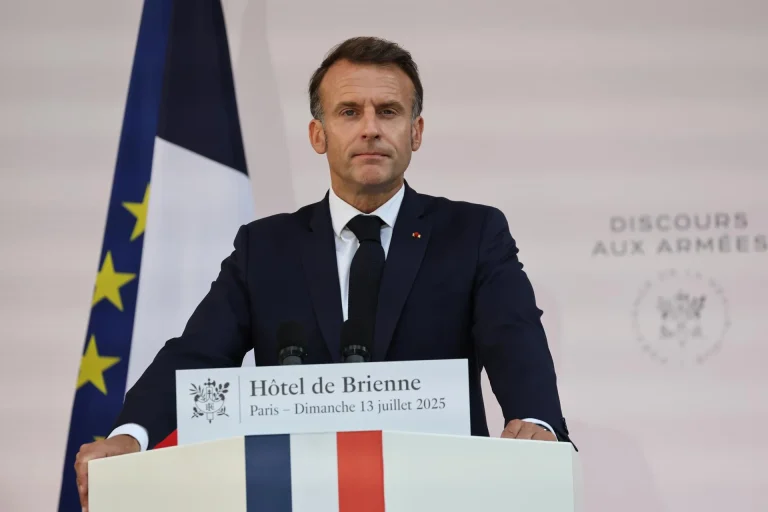
Amid the turmoil, French President Emmanuel Macron said France plans to engage the UN Security Council to secure navigation through the Strait of Hormuz—but only after the fighting ends—highlighting growing international concern over the humanitarian and economic fallout.