Follow Us on Google
From Adanna Nnamani, Abuja
The Debt Management Office (DMO) has moved to strengthen borrowing discipline among subnational governments, particularly in Northern Nigeria, warning that poor debt practices could undermine development and restrict future access to finance.
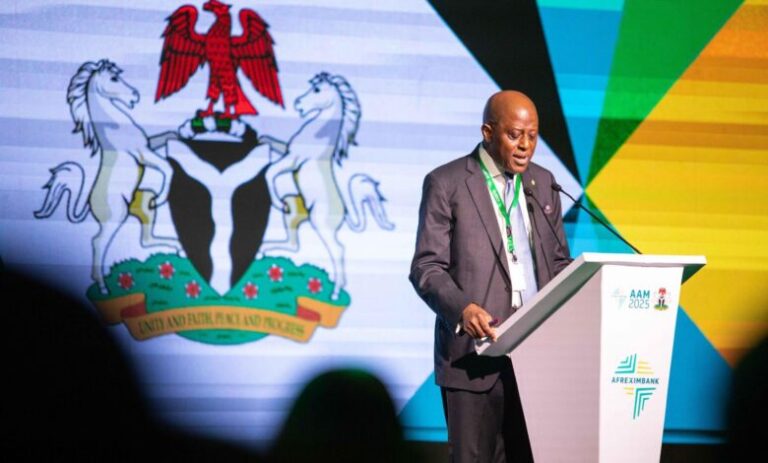
DMO Director-General, Patience Oniha, stated this at the States Action on Business Enabling Reforms (SABER) workshop held in Abuja on Tuesday.
Oniha said the World Bank-assisted workshop on Borrowing Guidelines was designed to equip states with the skills and knowledge required to borrow responsibly, transparently and sustainably.
The DG said the initiative was aimed at aligning borrowing practices at the subnational level with those of the Federal Government, noting that debt remains one of the most sensitive fiscal variables requiring strict oversight and multiple layers of approval.
According to her, many states struggle with accessing funds for development because officials do not fully understand borrowing procedures, documentation requirements and approval processes.
She stressed that improving knowledge and coordination among debt managers would make borrowing processes smoother and ensure that loans are properly deployed for development projects.
The DMO boss warned that failure to manage debt sustainably could expose states and the country to severe consequences, including credit rating downgrades, loss of investor confidence and difficulty accessing future loans. She noted that global experience has shown that countries with weak debt governance often face restructuring challenges and prolonged economic setbacks.
Oniha said borrowing must be guided by clear purpose, transparency, proper documentation, monitoring and timely debt servicing to avoid fiscal distress.
She commended the World Bank for supporting public debt management reforms in Nigeria and reaffirmed the DMO’s commitment to continuous capacity building for subnational governments.
She said: “Debt is such an important fiscal variable that we cannot stop talking about it. We must get it right to make it sustainable.
“You can see what has happened to countries that have had to restructure their debts, the problems they went through; the downgrading by the international debt rating agencies; and their inability to borrow. Because debt is important, there are laws around borrowing. You want the borrowing process to be transparent, so it is not just one person that took the decision. “The purpose has to be clear; the loan has to be properly documented; it should be monitored, it should be reported so that you can service it.
“When you do not service it, the consequences are not good. So, let us talk about debt sustainability. How will you know what to do? How will you know when to stop?.
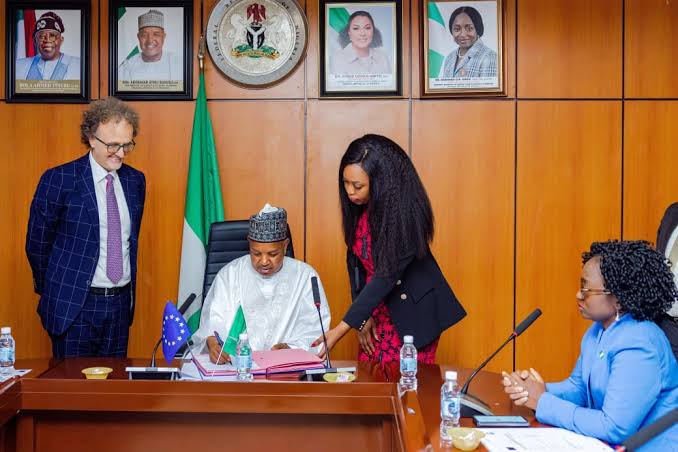
Also speaking, the Acting Head of Service of the Federal Capital Territory (FCT), Mrs Nancy Nathan, said the workshop was critical to helping states and the FCT navigate the increasingly complex borrowing environment.
She noted that access to finance remains a key driver of development but warned that it must be handled with responsibility and informed decision-making.
Nathan said the workshop was aimed at demystifying borrowing processes and empowering policymakers to make sound financial choices that would strengthen development planning across states.
According to her, “This workshop is aimed to demystify the borrowing process and clarify documentation requirements.
“It will empower our top policymakers to make informed decisions that will ultimately enhance our capacity to meet the financial needs of our respective states.
“As we embark on this journey of learning and collaboration, let us engage openly, share our insights, and push past limits that will drive our collective success.”