Follow Us on Google
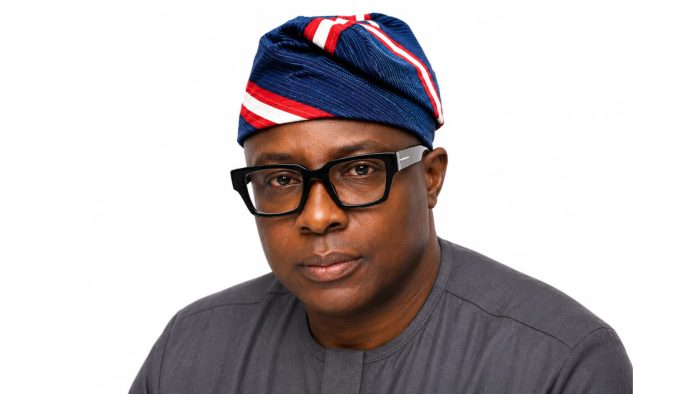
Former President of the Africa Shipowners Association (ASA), Captain Ladi Olubowale, has thrown his weight behind Dangote Group’s plan to acquire vessels, but challenged the conglomerate to ensure Nigerian shipowners also benefit by allocating part of its cargo to indigenous operators.
Dangote Group recently said it plans to buy vessels to distribute its products across West and Central Africa, citing limited shipping capacity and high road transport costs in Nigeria.
Speaking in Lagos, Olubowale said there is nothing wrong with Dangote owning ships to protect its supply chain.
“There is nothing inherently wrong with Dangote Group owning vessels. A major industrial organisation must move its products efficiently,” he said.
“But rather than build a fully integrated system where the producer owns most of the vessels, part of that cargo should be structured to develop competent Nigerian shipowners through long-term Contracts of Affreightment and time-charter deals.”
The Managing Director of Seamate Group said the plan has exposed Nigeria’s weak indigenous vessel capacity.
Other News
“When Nigerian operators don’t have vessels of the right size and specification, commerce will not wait. The cargo will move and foreign ships will carry it,” he noted.
Olubowale said cargo is the foundation for building fleets, and Dangote’s cement, fertilizer and refinery operations produce enough cargo to create a new generation of Nigerian shipowners.
He advised against buying ships just because financing is available. “First identify the cargo, route, volume and contract. With firm cargo, vessel financing becomes bankable.”
He called on the government, NIMASA, banks, Afreximbank and insurers to map Nigeria’s cargo for the next 5-15 years to determine the fleet Nigeria actually needs.
On the Cabotage Vessel Financing Fund, CVFF, he said success should be measured by how many Nigerian-controlled vessels were created and how much freight income stayed in Nigeria, not just loans given.
“Every time Nigerian cargo moves on foreign ships, freight, insurance, repairs and training money leaves the country. The government’s job is to create the environment for indigenous operators to thrive,” he said.