Follow Us on Google

•Says integration’ll boost prosperity
By Faheem Lawal
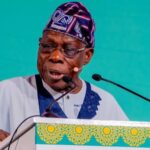
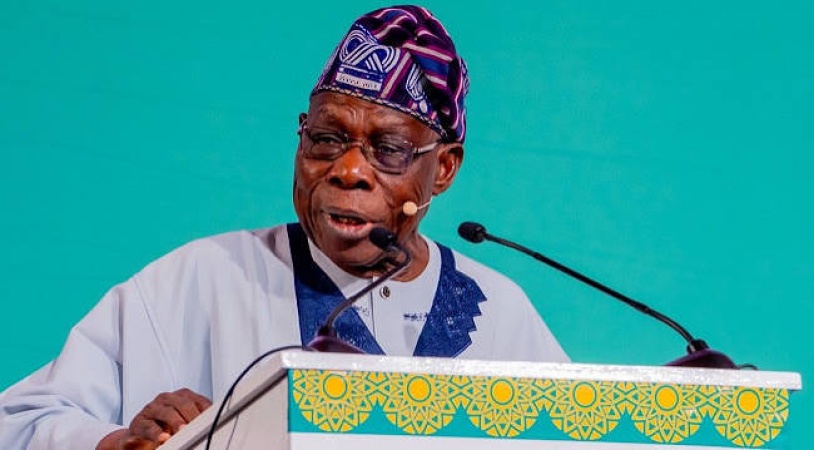
Former President Olusegun Obasanjo has urged African countries to grant automatic citizenship to people of African descent in the diaspora who wish to settle on the continent, saying stronger ties with the global African community could promote economic growth and shared prosperity.
He also called for easier movement across African countries, arguing that visa restrictions and other travel barriers were preventing the continent from fully benefiting from the skills, investments and business opportunities that its global population could offer.
Obasanjo made the call at the 2026 Creative Africa Nexus Weekend (CANEX WKND) in Lagos during a session titled, “A Conversation Inspired by Lest We Forget”, held at Live Theatre 1. He spoke alongside former Prime Minister of St Vincent and the Grenadines, Dr Ralph Gonsalves, and Professor Paulette Ramsay, a Jamaican scholar of Afro-Hispanic literatures and cultures.
Obasanjo said he supported the return of Africans from wherever they had settled across the world but opposed creating a separate diaspora community within the continent.
He said anyone of African descent who wished to acquire Nigerian citizenship should be granted it automatically, adding that other African countries should adopt similar policies.
According to him, Nigeria, with the world’s largest Black population, has a special responsibility towards people of African descent, pointing to its contributions to the anti-apartheid struggle as an example of its commitment to the wider African cause.
On regional integration, Obasanjo said restrictions on movement remained a major obstacle to closer economic cooperation among African countries.
He disclosed that efforts were underway to persuade about 25 African countries that currently offer visas on arrival to remove visa requirements among themselves, with the possibility of extending the arrangement to other countries if successful.
He lamented that the African passport had yet to become effective in practice, despite years of discussions about free movement across the continent.
Obasanjo said Africans across the world should remember that they were one people divided by greed, urging them to unite in their collective interest and work towards shared prosperity.
On slavery, he said the world must never forget the transatlantic slave trade, comparing its historical significance to the Holocaust.
However, he said that as a Christian, he was willing to forgive those responsible if they showed genuine remorse.
Gonsalves said the United Nations General Assembly, on March 25, 2026, acknowledged the transatlantic slave trade and racialised chattel enslavement of Africans as the greatest crime against humanity.
He explained that reparations were not about dwelling on the past but addressing the present-day consequences of slavery, including underdevelopment, economic hardship and social injustice.
He said the Caribbean Community (CARICOM) had developed a 10-point plan for reparatory justice, beginning with a formal apology and ending with debt relief and financial compensation.
The plan also covers healthcare, education, housing, poverty reduction, technology, memorials and the return of stolen cultural artefacts.
Gonsalves said the British government had indicated willingness to consider some of the issues but avoided describing them as reparations.
He argued that development assistance under the Sustainable Development Goals was different from reparatory justice because it did not directly address historical responsibility for slavery and its continuing effects.
Ramsay said the book, Lest We Forget: Slavery, Slave Trade, Colonisation, Emancipation and Reparation, emerged from Obasanjo’s call for African and diaspora scholars, politicians and policymakers to provide an insider’s account of the continent’s history.
She urged African governments to establish legal frameworks to protect intellectual property and creative works produced by Africans both on the continent and abroad.
She also called for African cultural content to be included in school curricula to help younger generations understand the continent’s history, diversity and identity.
Ramsay cautioned against treating the diaspora as a single group, noting that people of African descent speak different languages and have diverse cultural experiences.
She said reparations should go beyond financial compensation to include formal apologies, restitution and an end to the continued exploitation of Africa’s natural resources.
According to her, the story of African people is one of survival, and the continent must preserve that history without allowing it to breed bitterness.