Follow Us on Google
The Nigeria Customs Service (NCS), Oil and Gas Free Trade Zone (FTZ) Command, Onne, has unveiled an indigenous digital solution—B’Odogwu, a Unified Customs Management System—aimed at enhancing efficiency, automation, and regulatory compliance within the oil and gas free trade zones.
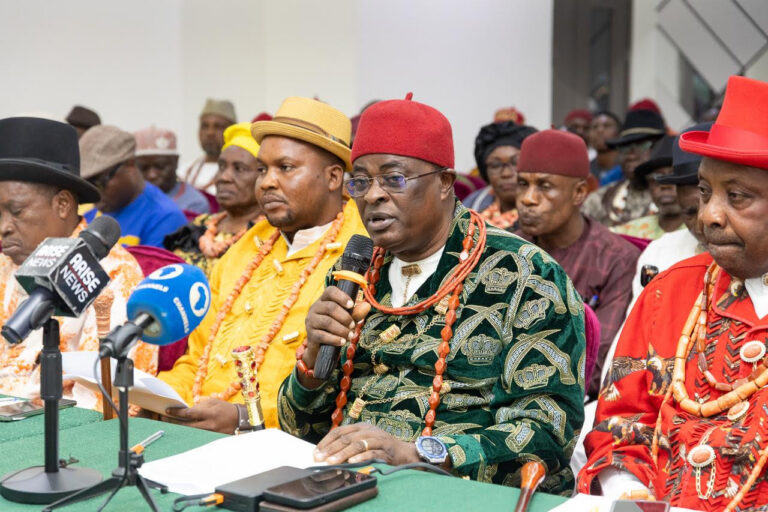
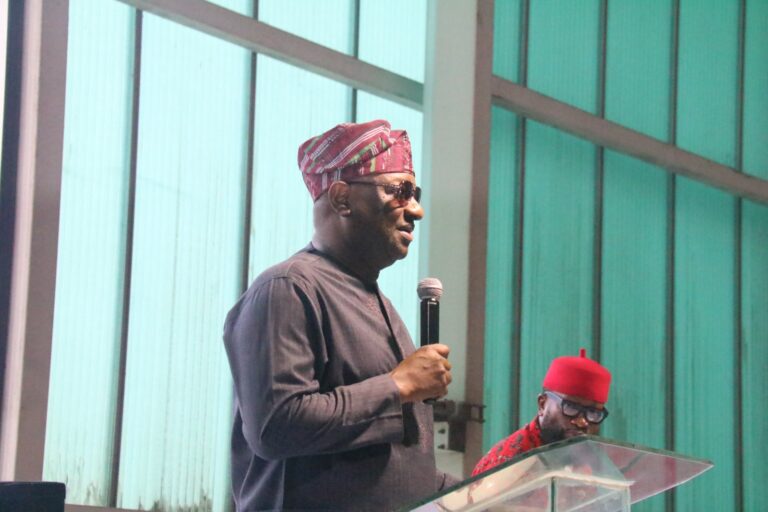
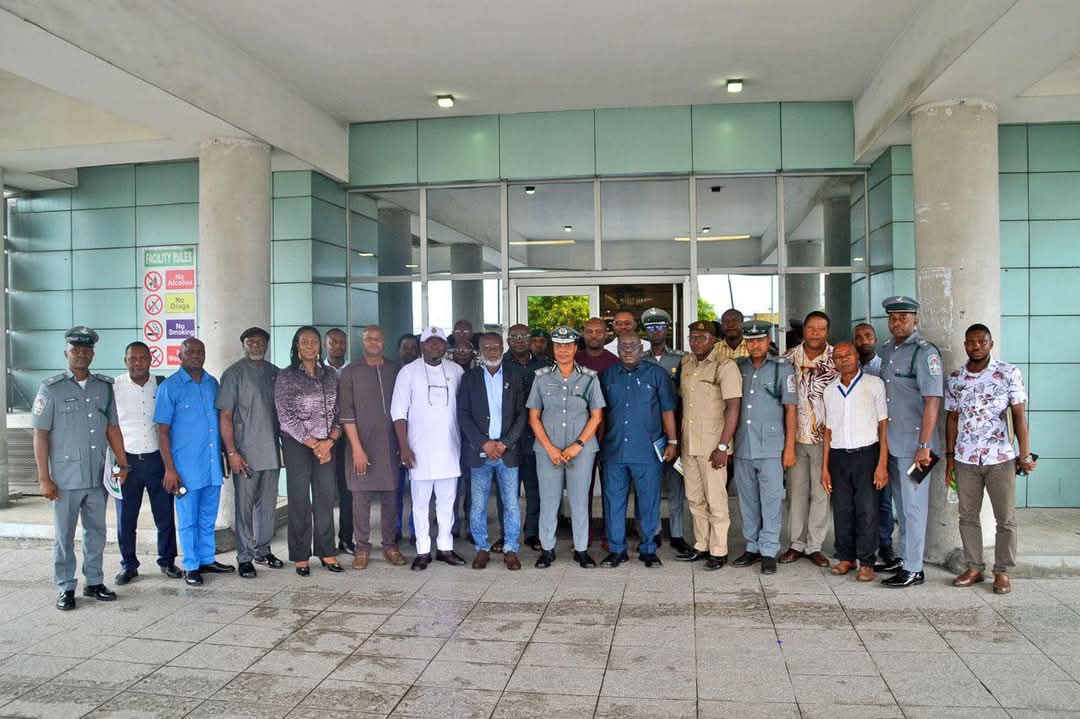
The official launch of the platform took place during a stakeholders’ engagement convened by the Oil and Gas Free Zone Authority (OGFZA) in Onne, Rivers State. The announcement was made in a statement signed by the Command’s Public Relations Officer, Assistant Superintendent of Customs II, Paul Gimbal.
The new system marks a significant milestone in Customs’ commitment to deepening trade facilitation while strengthening compliance oversight in a sector critical to Nigeria’s economy.
In her opening remarks at the event, Comptroller Nyong, Customs Area Controller of the FTZ Command, underscored the urgent need for operational discipline and adherence to customs protocols, particularly within the fast-paced oil and gas environment.
“Permit me to reiterate that strict adherence to customs procedures, such as meeting the 14-day deadline for urgent release consignments and promptly responding to Demand Notices, is essential for maintaining process integrity and ensuring smooth, legitimate trade,” she said.
She emphasized that failure to meet these requirements could result in unnecessary delays, disrupt operations, and impact business confidence in the zone.
Addressing some of the operational challenges faced by stakeholders—especially poor internet connectivity—Comptroller Nyong noted that the newly launched B’Odogwu platform was developed to eliminate such inefficiencies.
The system, she explained, would improve data management, enhance automation, and streamline cargo clearance processes. “We believe this indigenous platform is a strategic step toward solving persistent technological bottlenecks and reinforcing trade transparency,” she added.
Comptroller Nyong also reiterated the Command’s dedication to fostering a transparent, accountable, and collaborative operating environment. She called on all stakeholders to embrace the reforms and commit to full compliance, describing it as a shared responsibility that would determine the long-term viability and competitiveness of the FTZ.
A live demonstration of the platform was conducted by Assistant Comptroller Usman Abba and Assistant Superintendent Muhammed Aji, who highlighted its core features—robust cybersecurity architecture, real-time access to trade information, and a secure digital archive for trade documentation.
In response to stakeholder inquiries regarding data security and preservation of historical trade records, the Customs team reassured participants that B’Odogwu is equipped with secure backup protocols and ensures seamless data continuity.
Stakeholders at the event welcomed the innovation and praised Comptroller Nyong’s leadership, pledging their cooperation to support the Nigeria Customs Service in its drive to enhance efficiency, accountability, and trust in the Free Trade Zone’s operations.