Follow Us on Google
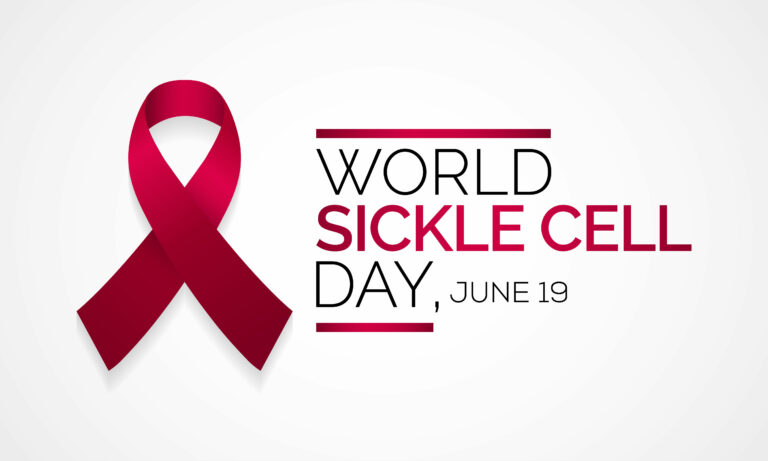
Health experts, who spoke at an event to mark this year’s World Sickle Cell Day in Lagos, have enjoined Nigerians not to see the disease as a death sentence. According to them, if the condition is well managed, most carriers can lead healthy lives. The World Sickle Cell day is marked globally on June 19. It is a day recognised by the United Nations to raise awareness of the disease at national and international levels.
This year’s event was marked with the theme, “Building and strengthening Global Sickle Cell Communities, Formalizing New-born Screening and Knowing your Sickle Cell Disease Status.” This is a call to recognise the first step, understanding the genotype in infants and adults in fighting the sickle cell disease.
According to the World Health Organisation (WHO), haemoglobin disorders are genetic blood diseases due to inheritance of mutant haemoglobin genes from both, generally healthy parents. Haemoglobin disorders are inherited from parents in much the same way as blood type or colour of hair or eyes and other physical traits, sickle cell disease and severe forms of thalassaemia can occur mainly when both parents are carriers of trait genes for the particular condition.
However, a child who inherits two of the same genes, one from each parent, will be born with the disease. But, a child of two carriers has only 25 per cent chance of receiving two trait genes and developing the disease, and 50 per cent chance of being a carrier. It has been estimated that over 300,000 babies with severe haemoglobin disorders are born each year across the world.
The majority of these births occur in low and middle income countries. Approximately, five per cent of the world’s population are healthy carriers of a gene for sickle cell disease or thalassaemia. Also, the percentage of people who are carriers of the disease is as high as 25 per cent in some regions. While most of these conditions are reportedly prevalent in tropical regions, however population migration has spread these diseases to most regions. Although thalassaemia are the most common in Asia, the Mediterranean basin and the Middle East, sickle cell disease predominates in Africa. Nigeria accounts for 100,000 to 150,000 newborns living with the disease annually. This represents 33 per cent of the global burden of the disease. This is why the federal and state governments should step up efforts to tame the disease. More resources should be committed to rid the country of the scourge. We call for more awareness programmes about the condition, the symptoms, preventive measures as well as treatment options. Let the government subsidise the cost of managing sickle cell disease.
Despite the severity of the condition, experts are of the view that haemoglobin disorders can be effectively reduced through a strategic balance of disease management and prevention programmes. Since malaria exacerbates the condition, controlling malaria is a pragmatic way of combating the sickle cell disease.
While 75 per cent or more of the newborn babies with the disorder in sub-Saharan Africa do not live up to their fifth birthday, those from medium to well resourced countries have life expectancy to full adulthood. The inability of Nigerians in rural areas to access information on how to prevent the disease is responsible for its spread. Moreover, the management of the disease is also expensive. That is why it is advisable to deploy preventive measures to curb the spread of the condition. We urge government at all levels to work together with other concerned groups and individuals to come up with policies and programmes to make life more meaningful for people living with the disease. Alternatively, government can equally bear the entire cost of treatment for those living with the condition. Let those suffering from sickle cell disorder not be stigmatised.
We commend the government and other stakeholders for their efforts to reduce the condition. However, more needs to be done to ensure it is completely stymied. There is need to deepen the campaign against the disease as well as highlight the preventive measures.