Follow Us on Google

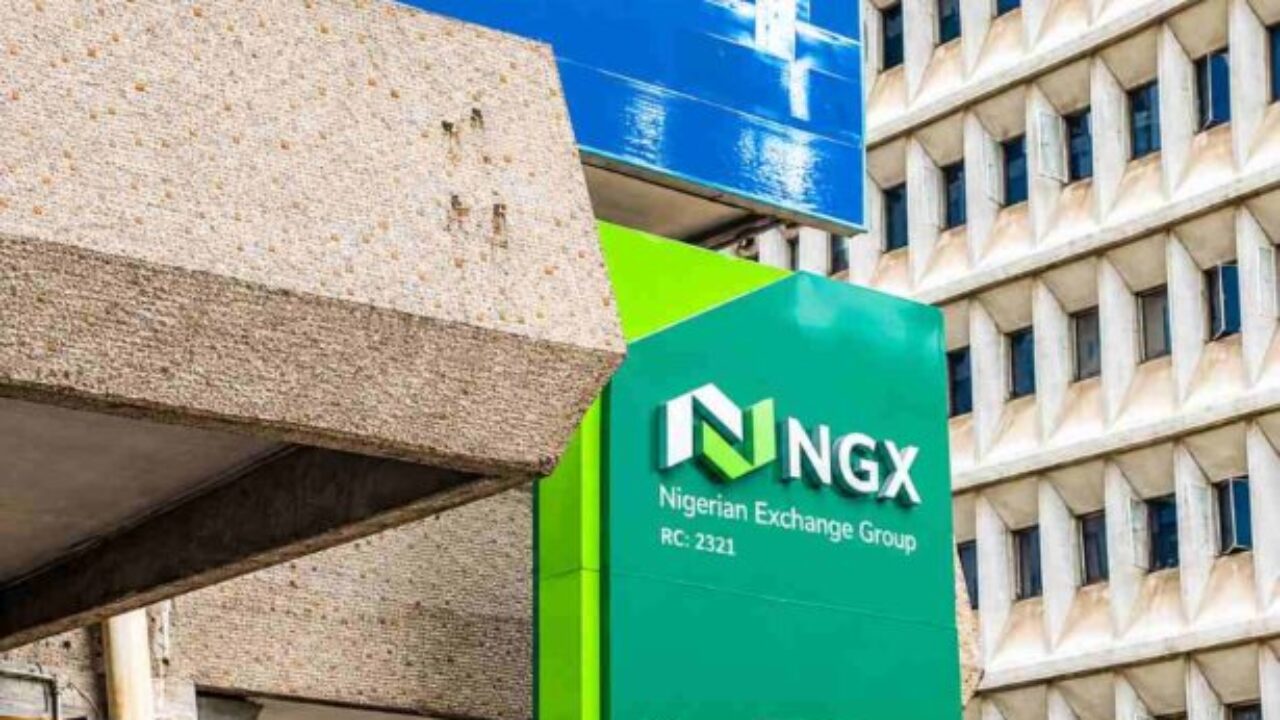
The Nigerian Exchange Group (NGX Group) now owns 10 per cent of the Nairobi Securities Exchange (NSE). On paper, that opens the door to cross-border listings, a wider investor base and income that doesn’t rely on Nigerian trading alone.
But owning a piece of the Kenyan exchange is not the same as giving investors something they can use. Turning the relationship into real investment opportunities will take more than goodwill between the two exchanges, especially because anyone buying foreign securities has to deal with currency conversion, exchange-rate swings and differences in how each market operates.
Olatunde Amolegbe, Managing Director/Chief Executive Officer of Arthur Stevens Asset Management Limited and a member of the Investments and Securities Tribunal, identified currency conversion as one of the important considerations in developing cross-border investment arrangements.
Amolegbe said the acquisition would give NGX an opportunity to participate in strategic discussions at the Nairobi exchange, although the 10 per cent holding does not confer management control. “There’s still a lot to be done,” he said, explaining that the investment would provide NGX with an opportunity to present proposals and influence discussions at the Kenyan exchange without taking over its management. That distinction matters. The commercial value of the deal depends not just on how much NGX owns but on whether the relationship actually creates business between the two markets.
Making the money move
One of the potential benefits is the development of cross-border investment channels through which investors in Nigeria could participate in the Kenyan market and vice versa. Such arrangements could also create opportunities for companies seeking to access investors beyond their domestic markets.
Amolegbe pointed to currency conversion as a big factor in making those trades workable, particularly for investors who must change their local currency before buying securities elsewhere. Take a Nigerian investor who wants shares in Kenya. They have to work out how to turn naira into Kenyan shillings, and they also have to live with any exchange-rate movement that could change the value of the investment and the eventual returns. Kenyan investors who want Nigerian securities face the same problem.
He also acknowledged that foreign exchange exposure would be among the risks management would have to consider in undertaking such investments, although he expected that the potential returns and strategic advantages would have been assessed against the risks.
The currency question is, however, only one aspect of the wider challenge of integrating African capital markets.
A recent example was the Dangote Petroleum Refinery’s public offer, which exposed some of the regulatory and operational difficulties associated with cross-border investment in Africa.
A Reuters report on the offer in October showed that although the public offer was promoted as an opportunity for investors across the continent, participation outside Nigeria was complicated by differences in national regulations and limited investment channels. Kenya approved the relevant Global Depositary Receipt structure only eight days before subscriptions closed, while investors in other countries faced additional registration requirements.
The experience illustrates the distinction between making investment opportunities available across African markets and establishing the regulatory and operational arrangements necessary for investors to participate effectively.
Revenue diversification beyond Nigeria
Beyond market integration, the investment also reflects NGX Group’s attempt to diversify its earnings and reduce its dependence on activities within the Nigerian market. Amolegbe described the acquisitions in Kenya and Ethiopia as part of a broader transformation of the Group from an exchange primarily associated with domestic trading into a capital market infrastructure company with interests across different African markets.
The Group’s investment in the Nairobi Securities Exchange builds on its earlier investment in the Ethiopian Securities Exchange, extending its presence from West Africa into East Africa.
According to Amolegbe, the investments could provide additional income opportunities through returns from the foreign exchanges, cross-border listings and other activities that extend beyond conventional trading fees. He argued that the strategy could help stabilise the Group’s revenue base, particularly during periods when domestic market activity weakens.
The consideration is relevant given the Group’s earnings structure, which remains significantly influenced by trading activities. NGX Group’s nine-month financial performance showed revenue growth of 79.8 per cent to N27.3 billion, while profit after tax increased by 6.4 per cent to N14.7 billion. Transaction fee income, one of its major revenue contributors, more than doubled to N20.7 billion.
While the performance showed increased market activity, the difference in the growth rates of revenue and profit highlights the importance of sustaining earnings growth and developing additional income sources.
Amolegbe said the Group would need to continue strengthening its existing trading business while expanding other revenue lines, including listing fees and activities in the fixed-income market. He noted that increased market volatility and a possible decline in trading volumes could affect earnings if the Group continued to depend heavily on transaction-related income.
He also identified the fixed-income market as an area with room for expansion, suggesting that strategies to attract more transactions into the segment could generate additional trading fees for the Group. The opportunity, therefore, is not simply to earn income from ownership interests in foreign exchanges but to develop commercial relationships that allow NGX Group to participate in a wider range of capital market activities.
Cross-border listings, in particular, could provide an additional source of income while enabling companies to reach investors in more than one African market. For instance, a company seeking to raise capital could potentially access investors in Nigeria and Kenya through arrangements involving both exchanges, subject to the necessary regulatory approvals and market infrastructure.
From exchange ownership to investor access
The deal also raises a bigger question: how can African exchanges move from separate national platforms toward a more connected investment environment?
NGX Group’s stake in Nairobi extends its presence in East Africa after its earlier entry into Ethiopia. The strategy points to an ambition to help build capital market infrastructure across several jurisdictions, rather than staying inside the Nigerian exchange ecosystem.
Whether that works depends on how well these relationships turn into opportunities for issuers, brokers and investors. The practical gain for investors would be the ability to buy securities listed in other African markets without wading through needlessly complicated procedures. For companies, closer ties between exchanges could widen the pool of investors available to fund expansion and other capital needs. Same benefits are availed to Institutional investors.
Amolegbe suggested that NGX Group’s investments could provide a foundation for these developments by giving it a position from which to influence discussions and encourage greater cooperation between exchanges.
The test of shareholder value
The central consideration for NGX Group’s shareholders will ultimately be whether the expansion produces sustainable financial returns. Although geographical diversification could reduce the Group’s concentration in the Nigerian market, foreign investments also introduce additional considerations, including currency movements, the performance of the underlying exchanges and the costs associated with maintaining investments across different jurisdictions.
Amolegbe said he expected management to have evaluated these risks against the potential benefits before proceeding with the acquisition. He maintained that the investment could strengthen the Group’s long-term earnings prospects by providing access to new markets and creating opportunities that would otherwise be unavailable through its domestic operations.
The strategy also offers the possibility of increasing the relevance of NGX Group within the broader African financial system, particularly if the investments support more active cooperation between exchanges.