Follow Us on Google
By Chinelo Obogo
A crisis-management expert, Temilade Okesanjo, has exposed the gaps in Nigeria’s approach to addressing the allegations of religious persecution and targeted killings made against the Federal Government by the President Donald Trump and also raised during a recent U.S. Congressional hearing that examined the country’s designation as a “Country of Particular Concern” (CPC).
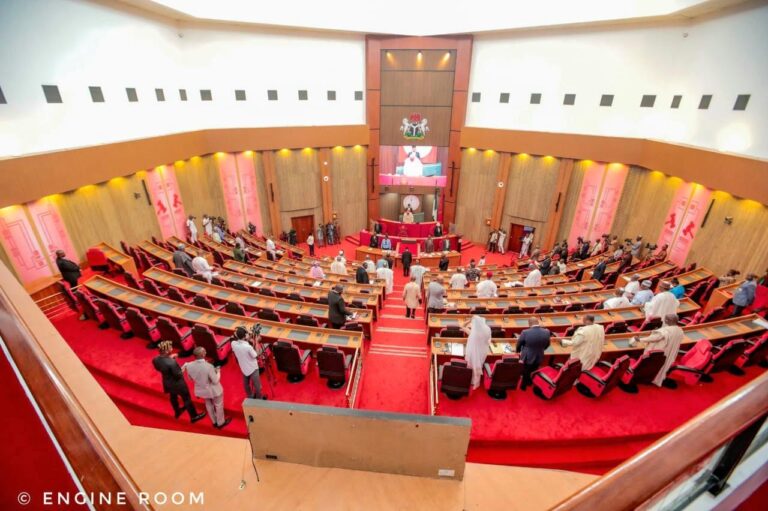
The hearing, which followed Trump’s statement on Nigeria’s religious freedom, prompted the Federal Government to dispatch a delegation led by National Security Adviser Nuhu Ribadu to Washington, D.C., to defend the country’s position on allegations of attacks against Christian communities, targeted killings, and enforcement of blasphemy laws.
During the Congressional hearing, U.S. lawmakers presented figures that painted a grim picture of religious violence in Nigeria, saying that between 50,000 and 100,000 Christians have been killed in Nigeria since 2009, with more than 7,000 murdered in 2025 alone. Additionally, they said over 19,000 churches have reportedly been attacked or destroyed across the country.
Other News
The testimony focused particular attention on Benue and Plateau States, where more than 9,500 people who are predominantly Christians were killed between May 2023 and May 2025. This violence has displaced over half a million residents from their homes. The US lawmakers said that the violence includes coordinated assaults during festive days, deliberate attacks on clerics, and enforcement of blasphemy laws under Sharia criminal codes in northern states, which they said shows the severity of the persecution.
Okesanjo who was present at the hearing in an independent capacity, stated that a critical line of questioning centered on Nigeria’s removal from the CPC list under the previous U.S. administration and that Congress members demanded to know whether there was evidence to back the actions of the previous administration. He observed that the questions asked were not substantively answered by the Nigerian delegation, and he raised concerns about how sufficient the documentation and follow-through by Nigerian authorities was.
“.By ensuring that support is informed by comprehensive and verified data, the U.S. can act constructively without relying on partial or misrepresented information. A coordinated response grounded in empirical data is essential for Nigeria to be taken seriously internationally, asserting sovereignty while demonstrating accountability and credibility,” Okesanjo said.