Follow Us on Google
By Merit Ibe and Steve Agbota
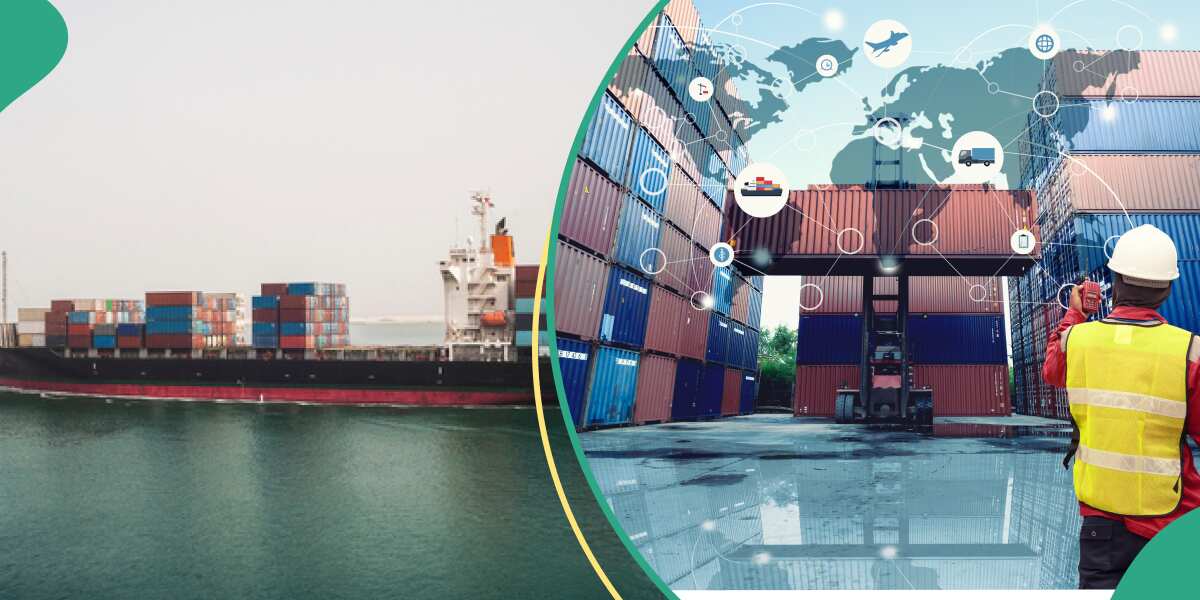
Nigerians may face worsening economic situations as the cost of imported goods and services are expected to rise exponentially following the hike in surcharges by foreign shipping companies.
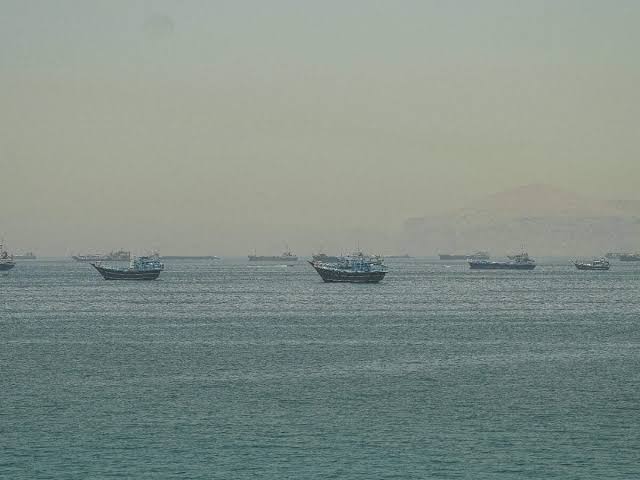
One of the shipping companies, A.P. Moller-Maersk, wrote to their clients (importers and clearing agents) on Wednesday, May 22, 2024, informing them of the decision to increase surcharges citing ‘the complexity of the situation in Red Sea and the ripple effects on global supply chains.’ The company said that despite hopes that the situation would improve, they continue to face additional challenges and costs. It said that to help with additional costs, some surcharges will increase temporarily and clients would see them on their latest invoices, some of which would be higher than that of last month.
Speaking on the implication of the hike in surcharges, the Director, Centre for the Promotion of Private Enterprise (CPPE), Dr. Muda Yusuf, told Daily Sun that the situation is not peculiar to Nigeria and that these decisions are a consequence of disruptions caused by the Israeli and Palestinian war. He said: “These are consequences of geopolitical risk and it has become a major risk to supply chains around the world. This is not peculiar to Nigeria. The disruptions that have been caused by the Houthi rebels concerning the rescue as a result of this Israeli Palestinian war, is a major issue for logistics providers globally. So I’m not surprised that this is coming because the vessels have to travel longer routes as Maersk has explained and that’s additional operational costs and fuel costs most importantly. And when costs become elevated this way, the natural thing is to pass it on to end users.
“But what we should worry about is that Maersk doesn’t disproportionately increase their charges because it happens sometimes that service providers take advantage of this kind of development to disproportionately increase prices. Whatever review that they will do must be proportional to the additional cost that this Red Sea challenge has caused them, so it is important that they are fair and it’s also important that organisations like the shippers council should also be in the picture to ensure that there is no exploitation of consumers. It is very difficult to argue against this kind of increase because of the reality that we can all see.”
An importer, Okey Simon, said that the surcharge will add additional charges on the goods imported from either Asian or European countries. “I was worried when I saw the memo from AP Moller. This is going to compound the challenges we importers are facing coupled with the issues of unstable foreign exchange in the country. It means importers will pay more for cargoes coming into Nigeria and at the end of the day, consumers are going to pay more because importers will add an additional surcharge to the goods coming into the country,” he said.
Also reacting to the development, the former acting National President of Association National Licensed Customs Agents (ANLCA), Dr. Farinto Kayode, told Daily Sun that the issue raised by AP Moller is as a result of the war in the Middle East which would cause most of the vessels to turn around and go through a longer route. This, he said, would have an effect on our freight, direct or indirectly.
On the fate of importers, he said there is nothing anybody can do and that since Nigeria doesn’t have a commercial vessel, all the vessels coming to Africa are taking risks.
President, Calabar Chamber of Commerce, David Etim, told Daily Sun that the extended travel times going round the Cape of Good Hope in South Africa, as opposed to using the Red Sea and the Suez Canal into the Mediterranean, is a very significant travel time.
Etim, who is project implementation leader of the Calabar and Gulf of Guinea Municipal and Trade Center, said that in terms of value and how much is being charged, the Nigerian Shippers Council, as the port regulator, needs to be deeply involved to ensure that there is justification for it. He said: “It is the Council’s duty to protect Nigerian shippers to be sure we are not being overly surcharged. It should be able to find out if the value of the surcharge is justified or not.”