Follow Us on Google

The Committee for the Defence of Human Rights (CDHR) has identified corruption, weak institutions and dysfunctional federalism as major obstacles to human rights protection in Nigeria, warning that the diversion of public funds deprives citizens of essential services, including healthcare and education.
The organisation called for stronger institutions, greater accountability, and evidence-based advocacy to address the challenges undermining the protection of fundamental rights.
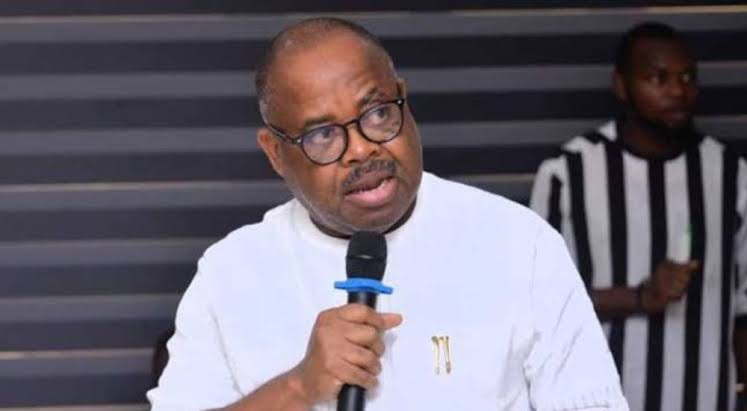
The issues were raised at a public lecture organised by the CDHR in Lagos on Thursday, with the theme, “Understanding Human Rights Beyond Emotions and Personal Interests.”
Speaking at the event, the lead presenter, Tunde Babawale, a former Director-General of the Centre for Black and African Arts and Civilisation, described corruption as a major human rights violation, arguing that stolen public funds deny citizens access to basic services.
He identified corruption, weak institutions, dysfunctional federalism and declining ethical values as key challenges affecting the protection of human rights in the country.
Babawale also identified peace and security, human rights education, and development as critical pillars for improving human rights protection.
He urged the CDHR to professionalise activism and ensure that the defence of citizens’ rights was guided by universal principles rather than political interests, personal sentiments or public opinion.
Other News
“Human rights protection must move beyond selective advocacy,” he said, stressing that the rights of every individual, including political opponents, deserved equal protection.
In his keynote address, Chairman of the Governing Board of the National Universities Commission, Oluwatoyin Ogundipe, warned that identity politics and selective advocacy could undermine justice and weaken the universal principles of human rights.
Ogundipe, a former Vice-Chancellor of the University of Lagos, said human rights organisations must defend citizens impartially, irrespective of their ethnic, religious or political affiliations.
He noted that the Nigerian Constitution guarantees fundamental rights, including the rights to life, dignity, fair hearing, freedom of expression, freedom of religion and peaceful assembly.
“Human rights are generally understood as fundamental rights and freedoms that belong to every individual by virtue of being human,” he said.
Earlier, the CDHR President, Debo Adeniran, warned activists against allowing emotions, personal interests and political considerations to influence their interpretation of human rights.
Adeniran expressed concern that some Nigerians approached human rights issues based on personal preferences rather than established legal principles.