Follow Us on Google
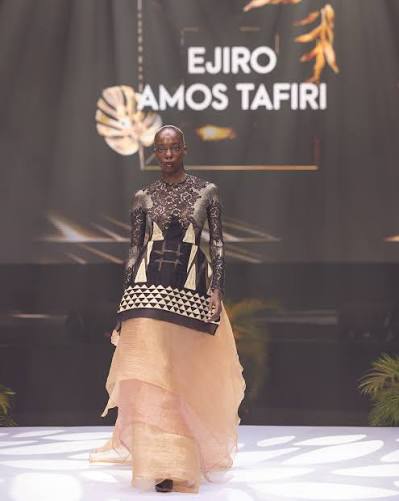
Nigeria’s fashion industry needs stronger policy frameworks, investment and business infrastructure to support the growth of local designers and build globally competitive brands, fashion designer Ejiro Amos Tafiri has said.
Tafiri, founder and creative director of Ejiro Amos Tafiri, an indigenous fashion brand, said sustainable growth in the African fashion industry required deliberate efforts to strengthen business operations, develop skilled workers and establish mentorship structures for emerging designers.
She spoke ahead of the third edition of the Fashioning a Legacy: Leaving a Mark in Time conference, scheduled for October 24, 2026, at the British Council, Ikoyi, Lagos, in partnership with the institution.
“True sustainable growth in African fashion requires more than raw creative talent; it demands robust business infrastructure, deliberate mentorship pipelines, and strategic policy frameworks,” Tafiri said.
The conference is expected to bring together fashion designers, creative entrepreneurs, educators, policymakers, investors and institutional representatives to examine challenges affecting the development of sustainable fashion businesses across Africa.
Discussions will focus on creativity, education and innovation, with particular attention to workforce development, preservation of indigenous textiles, infrastructure development and the commercialisation of African cultural heritage in international markets.
The initiative comes as fashion businesses contend with economic pressures and the growing influence of digital technology on production, marketing and access to international markets. For Nigerian designers seeking to expand beyond local markets, the development of business capacity, access to investment and the availability of skilled workers are important considerations in building sustainable operations and competing internationally.
The conference will also examine the role of education and professional development in strengthening the industry, particularly through knowledge sharing between established designers and emerging fashion entrepreneurs.
Tafiri said the platform was intended to encourage collaboration between industry practitioners and other stakeholders to support the long-term development of African fashion businesses. “Through Conference 3.0 and our invaluable partnership with the British Council, we are creating an intentional, democratic space where established industry custodians and emerging pioneers can collaborate to build a permanent, self-sustaining economic legacy,” she said.
Another area of focus is the preservation and commercial use of indigenous fabrics and textile traditions, which remain important to the identity of African fashion. Discussions are expected to explore how designers can preserve these traditions while adapting their products to contemporary markets.