Follow Us on Google
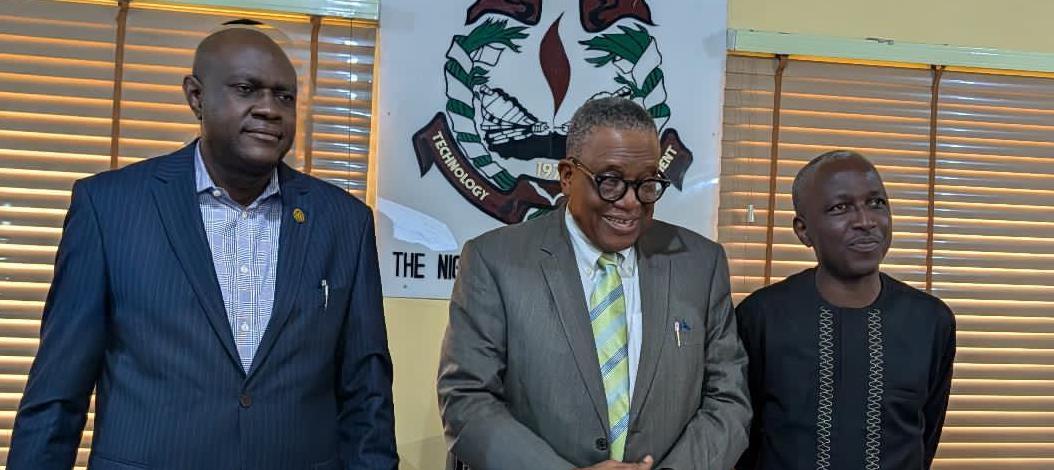
The Nigerian Academy of Science (NAS), has called for urgent, evidence-driven collaboration among scientists, policymakers, the media and communities to confront the escalating health impacts of climate change, warning that weak action at state and community levels was leaving millions of Nigerians increasingly vulnerable.
The alarm was raised at the Academy’s media roundtable on “Climate Change, Health and the Nigerian Reality” in Lagos.
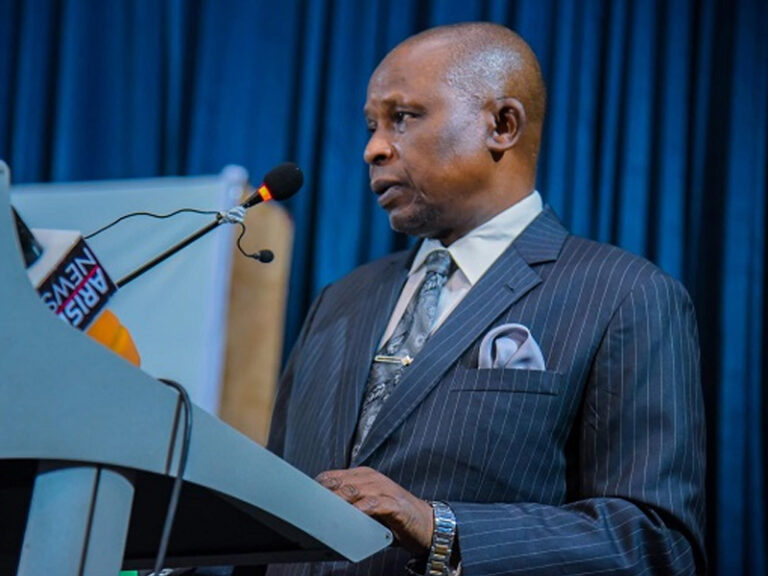
Speaking, Public Affairs Secretary, NAS, Prof. Chinedum Babalola, said science must move beyond laboratories and academic journals to shape public policy, business decisions and everyday life.
She described the media as the critical bridge between scientific evidence and public action, stressing that Nigerians are already bearing the consequences of climate change through recurring floods, cholera outbreaks, heat waves, worsening cardiovascular and respiratory illnesses, changing rainfall patterns and growing threats to food security.
Quoting the World Health Organisation’s (WHO) position that climate change is the greatest health threat of the 21st century, Babalola said Nigeria’s large population, infrastructure deficits and existing disease burden make the country particularly susceptible.
“As the foremost independent science advisory body in the country, the Academy has a responsibility to bring evidence to the table and ensure that evidence informs decision-making,” she said.
Drawing lessons from the Financial Institutions Training Centre (FITC) Sustainability and Environmental, Social and Governance (ESG) Conference 3.0, Babalola said sustainability should be seen as a continuous process rather than a one-off project. She urged stakeholders to move beyond dialogue to measurable actions that improve lives while developing homegrown solutions tailored to Nigeria’s realities instead of depending solely on models from developed countries.
Other News
She noted that the roundtable aligns with the Sustainable Development Goals (SDG), particularly SDG 3 on Good Health and Well-being, SDG 13 on Climate Action, SDG 11 on Sustainable Cities and Communities, and SDG 6 on Clean Water and Sanitation, while also reflecting ESG principles that connect environmental protection, public health and accountable governance.
Babalola urged journalists to strengthen public understanding of the links between climate change, health, food security and national development through accurate, evidence-based reporting.
Emeritus Professor of Chemistry, Prof. Babajide Alo, warned that climate change is threatening lives, livelihoods and national security through rising temperatures and extreme weather.
He called for stronger state climate action plans, increased investment in adaptation, renewable energy and sustainable agriculture, improved climate finance, stricter environmental enforcement, and accelerated implementation of Nigeria’s NDC 3.0 to achieve net-zero emissions by 2060.
Media and science communication expert, Mr. Wale Fatade, described climate change as a public health emergency, citing its role in heat-related illnesses, disease outbreaks, poor air quality and mental health challenges.
He urged journalists to go beyond disaster coverage by explaining the health impacts of climate change and reporting solutions through closer collaboration with scientists.