Follow Us on Google
By Bianca Iboma-Emefu
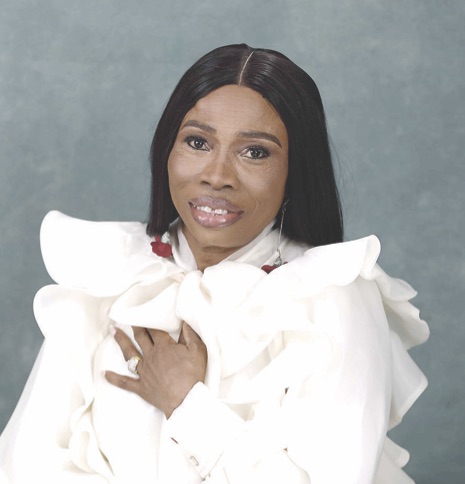
The General Overseer of Faith Revival Ministries World Outreach, also known as Victory Christian Church, Apostle Nkechi Anayo Iloputaife, has called on churches across Nigeria to deliberately include widows in leadership and decision-making processes, describing their continued marginalization as both unbiblical and unjust.
She made the call while speaking during her birthday celebration on January 27, 2026, where she delivered a deeply emotional reflection on her journey of grace, faith, and resilience as a widow.
While many ministries seek the spotlight, Apostle Iloputaife noted that some of the most transformative work happens quietly, away from cameras and applause. For years, the clergy leader has steadily redefined what compassion looks like within the church—walking hand in hand with widows, healing broken spirits, and restoring dignity to women society often forgets.
Emphasizing her long-standing but largely unpublicized work with widows, she revealed that her ministry is rooted not in charity but in deep understanding and lived experience. “Widows are the heartbeat of God,” she said. “When people are not empowered, coping becomes extremely difficult. I know their pain, and I know how to walk them through it.”
Her journey, she explained, led to the creation of Jesus Ladies, a dedicated ministry designed to mentor, support, and empower widows within the church community. Far beyond offering sympathy, the initiative focuses on holistic restoration—spiritual, emotional, and economic.
Many widows, she observed, battle intense loneliness, financial hardship, and loss of identity following the death of a spouse. “My work involves praying with them, listening to their stories, and offering both spiritual guidance and practical support,” she said. “Through the church, they begin to rediscover their worth, their gifts, and their purpose.”
According to her, empowerment is not optional but a biblical mandate. Drawing from scriptures such as James 1:27, she stressed that caring for widows is central to the Christian faith. “Scripture consistently highlights God’s concern for widows. When the church empowers them, it is simply obeying God and putting His love into action.”
That empowerment, she added, must be practical. Widows under her ministry receive support through small-scale businesses, vocational skills acquisition, entrepreneurship training, and financial literacy programs, all aimed at self-sufficiency rather than dependency.
“Empowerment restores dignity,” she said. “It affirms their worth and helps them rebuild their lives with hope. We stop seeing them as victims and begin to recognize them as contributors, leaders, and agents of change.”
Beyond economic support, the ministry also provides safe spaces for emotional healing and spiritual mentorship. Widows are encouraged to take active roles within church life—teaching, singing, counseling, and leadership. This inclusion, she believes, strengthens not only the widows but the church as a whole.
“Widows carry deep wisdom, resilience, and faith,” she said. “When they are empowered, their stories inspire others. Their leadership enriches our ministry and fosters a culture of compassion and inclusiveness.”
Other News
She further noted that empowering widows helps dismantle stigma and silence around grief and loss, creating a healthier and more Christ-like community. “A church that uplifts widows reflects the true love of Christ—embracing everyone, regardless of past hardship.”
Apostle Iloputaife’s life stands as a profound testament to unwavering faith, resilience, and the transformative power of grace. From the moment she accepted her difficult life path in 1995—despite desiring a different future—her journey has been marked by divine guidance and personal strength. Her story is not merely one of surviving widowhood but of embracing it, advocating for others, and challenging societal and religious stigmas.
Her conviction that “the will of God never takes you where His grace cannot keep you” encapsulates her unwavering belief in divine providence. Despite the pain of losing her best friend, husband, confidant, and companion, she chose acceptance without bitterness, trusting in God’s promise to help her. She maintains that her lack of regret is rooted in her absolute trust in God’s plan.
One of the most compelling aspects of her story is her candid reflection on the challenges she has faced as a woman, a widow, and a leader in a male-dominated society. She highlighted how cultural biases, gender discrimination, and the stigma of widowhood often isolate women, yet her reliance on God has remained her anchor.
Her advocacy for widows is both heartfelt and urgent. Having experienced marginalization firsthand, she continues to call on the church to take its responsibility seriously, citing James 1:27 as a clear biblical mandate. She urges churches to treat widows with dignity, involve them actively in church life, and recognize their commitment—drawing inspiration from biblical figures such as Anna, the widow in Luke 2, who faithfully served in the temple.
Apostle Iloputaife’s vision goes beyond inclusion; she advocates for widows to serve in leadership roles. Her decision to ordain committed widows as deacons reflects her belief that widows are vital contributors to spiritual growth and community development.
She emphasized that widows did not choose their circumstances and should not be subjected to harmful traditional practices. “Widows have emotions. Becoming a widow is not a plan—it happens suddenly,” she said, questioning why devoted widows are often excluded from leadership despite years of service.
Calling for empathy, she urged churches to be intentional and considerate. Her journey, she said, demonstrates how faith and grace can transform adversity into a legacy of hope and service.
To churches yet to prioritize this calling, her message was direct: start by listening. “Sit with widows. Hear their stories without judgment. Understand their needs,” she urged. “This is not just another program—it is a reflection of the Gospel.”
She concluded with a sobering reminder: “When churches care for widows, they don’t just transform lives—they deepen their own faith and witness. In serving the vulnerable, we live out the heart of Jesus.”
In a world where vulnerability is often overlooked, this quiet ministry stands as a powerful testament—true impact does not always announce itself, but it always leaves lives changed.