Follow Us on Google

• Says action could make Nigerians ‘slaves in their country’
• Warns of danger in rehabilitating ‘unrepentant’ criminals
By Juliana Taiwo-Obalonye, Abuja
The Civil Society Legislative Advocacy Centre (CISLAC) has strongly condemned recent threats by US President Donald Trump to invade Nigeria over alleged violence against Christians, calling for justice and compensation for victims instead of foreign military intervention.
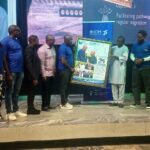
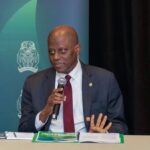
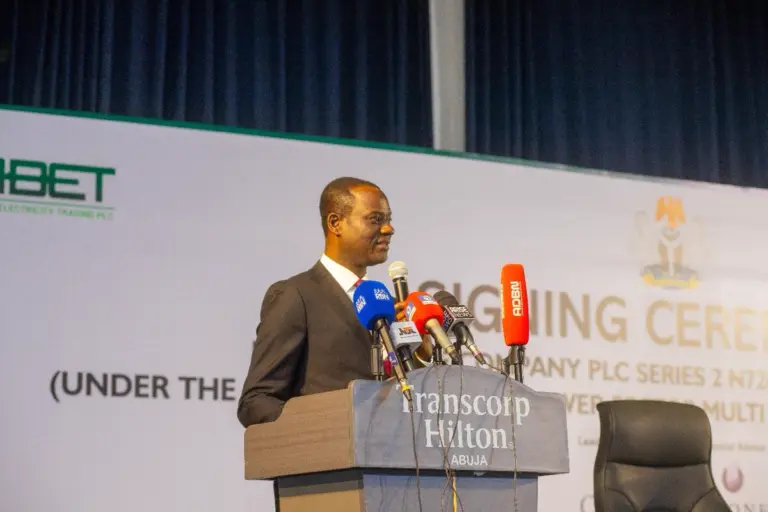
Executive Secretary of CISLAC, Auwal Ibrahim Musa Rafsanjani, spoke during the National Tobacco Tax Summit and launch of the Tobacco Excise Tax Simulation (TETSiM) Report for Nigeria on Wednesday. He urged calm and reaffirmed Nigeria’s sovereign right and responsibility to protect its citizens.
Rafsanjani emphatically stated, “We are totally not in support of any foreign invention or attack on Nigerian soil. We believe that the international community, if they want to help Nigeria and Nigerians, there are many ways in which they can do without coming to bomb Nigerians, because the implication of bombing Nigerians, or bombing in Nigeria, you may not necessarily hit the actual criminals.”
He warned against the dangers of foreign military intervention: “You may go and attack innocent people, and there will be human rights concerns for that. So what we are urging the Nigerian government to do is to be responsive and responsible, because communities have been attacked, killed, their properties destroyed and they did not get justice.”
He pointed to a systemic failure in protecting vulnerable communities: “A lot of communities in Nigeria suffer from violence, attack with little or no support and also holding the perpetrators to account. So the impunity and injustice continue to happen, and that is why some Nigerians lost faith in the administrative justice system in the country.”
Rafsanjani insisted the time is ripe for governmental action: “So it is an opportunity for Nigerian government to rise to the occasion to ensure justice, to ensure fairness, to ensure that people who are perpetuating these atrocities are held to account. It is the only way that we can discourage those who do not wish Nigeria well. It is the only way to assure Nigerians that their government cares about their lives.”
Other News
He stressed the importance of equal accountability: “It is the only way to ensure that crooks and criminals hiding under any identity, whether ethnicity, religion, geographical location, or political identity, when they commit atrocities, they are also appropriately given the necessary sanction.”
Rafsanjani criticised the denial of ongoing violence, explaining, “But if you continue to deny the killings in Nigeria, it will also continue to give people the impression that you have an interest in this. We know that there’s no policy or legal framework in Nigeria that encourages attacks on any group of people, whether ethnic groups, religious groups, or political groups.”
He highlighted how impunity fosters protection for criminals: “However, the atrocities and violence we see being perpetrated are making some Nigerians believe that some people are protected and free to continue what they are doing.”
He called on the government to reconsider its current policy on dealing with criminals: “For example, the Nigerian government should stop this rehabilitation of the so-called repentant criminals, especially because they are not repentant. You cannot rehabilitate people that have committed atrocities while the victims remain unattended and unrepaired. Therefore, this whole issue, this whole policy the government is implementing on rehabilitation has to be changed.”
Rafsanjani explicitly warned about the broader dangers of foreign military involvement: “We do not support any foreign intervention or foreign attack on Nigerian soil. Nigerians should understand the implication of such actions. There is a huge implication; you will be slaves again in your own country, and we have seen what has happened in Libya, in Iraq, in Syria, in Lebanon, and so many places.”
He concluded, “The foreign intervention did not save lives, did not protect human lives, and did not stop the problems that were mentioned in these countries. This is the position of the various organizations that we work together with in Nigeria.”