Follow Us on Google

From Juliana Taiwo-Obalonye, Abuja
The Civil Society Legislative Advocacy Centre (CISLAC), Nigeria’s chapter of Transparency International, has issued a stern warning over the escalating insecurity gripping the nation, highlighting a disturbing rise in attacks and kidnappings targeting schoolchildren.
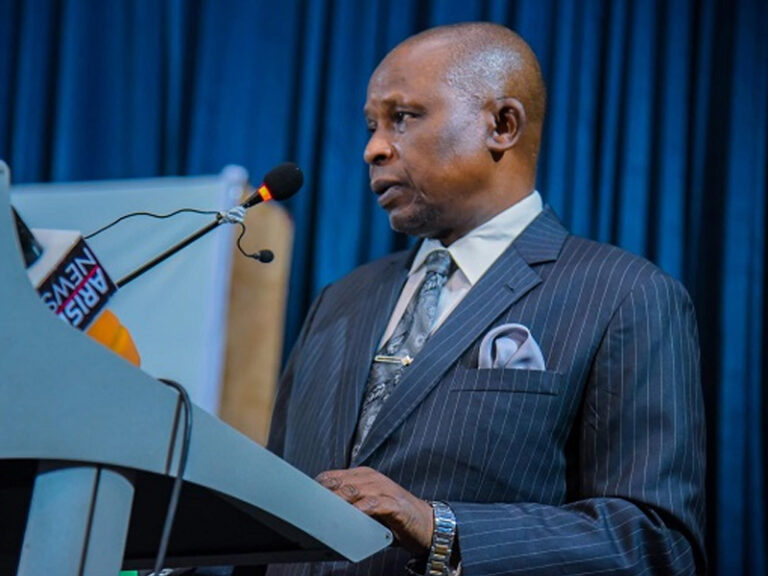
In a statement shared by CISLAC’s Executive Director and Head of Transparency International Nigeria, Auwal Musa Rafsanjani, criticised the government’s current security approach as fragmented and politically influenced, which they say fuels instability and leaves vulnerable populations, particularly children, at grave risk.
Rafsanjani drew attention to the heavy deployment of the Nigerian Army across nearly all states—a move he described as contrary to constitutional roles that assign internal security primarily to the police, the Nigeria Security and Civil Defence Corps, and the Department of State Services. He pointed to systemic issues including corruption within security sectors, overreliance on military forces, chronic underfunding, insufficient equipment, and poor inter-agency coordination as root causes undermining effective security management.
The recent wave of kidnappings in Kebbi State and the abduction of students from St. Mary’s Catholic Primary and Secondary Schools in Niger State sparked outrage from CISLAC, with Rafsanjani labeling these crimes as direct attacks on Nigeria’s education system and the safety of its children. He underscored how such incidents exacerbate Nigeria’s already alarming out-of-school children crisis and erode the sense of security necessary for children’s well-being.
Furthermore, Rafsanjani condemned the diversion of police resources to serve politicians and private interests, sidelining critical community and school protections. He criticized the proliferation of police checkpoints, which have reportedly transformed from security safeguards into stations of extortion, urging authorities to abolish such roadblocks and refocus resources where they are most needed.
Highlighting the increasing politicization of police forces, Rafsanjani cited episodes in Abuja where officers appeared to back rival political groups instead of upholding impartial law enforcement. He warned that this trend signals eroding police leadership and accountability, emboldening reckless political interference.
CISLAC’s call for sweeping security sector reforms emphasizes accountability, sophisticated intelligence capabilities, enhanced welfare for personnel, professional conduct, and tighter collaboration among agencies. Rafsanjani also pushed for the adoption of robust early warning and rapid response systems, noting many attacks occur despite available intelligence signals.
The statement questioned the effectiveness of the Nigeria–United States Bi-National Commission on security and governance cooperation, asserting that Nigeria must first tackle internal governance and security deficiencies before expecting external partnerships to deliver results.
Other News
Rafsanjani also criticized the spectacle of political defections celebrated with public funds amid growing national insecurity, calling such displays insensitive to Nigerians coping with violence, displacement, and loss.
CISLAC concluded by urging coordinated efforts among the federal government, security agencies, community leaders, civil society, and international partners to rescue abducted children and halt further violence, stressing the urgent need to restore professionalism and public trust in Nigeria’s security architecture.
“Nigeria cannot afford to remain mired in weak, politicized, and uncoordinated security operations,” Rafsanjani stressed. “Decisive, united action will protect the lives, dignity, and future of all Nigerians.”