Follow Us on Google
…Says Nigerians want evidence, not promises
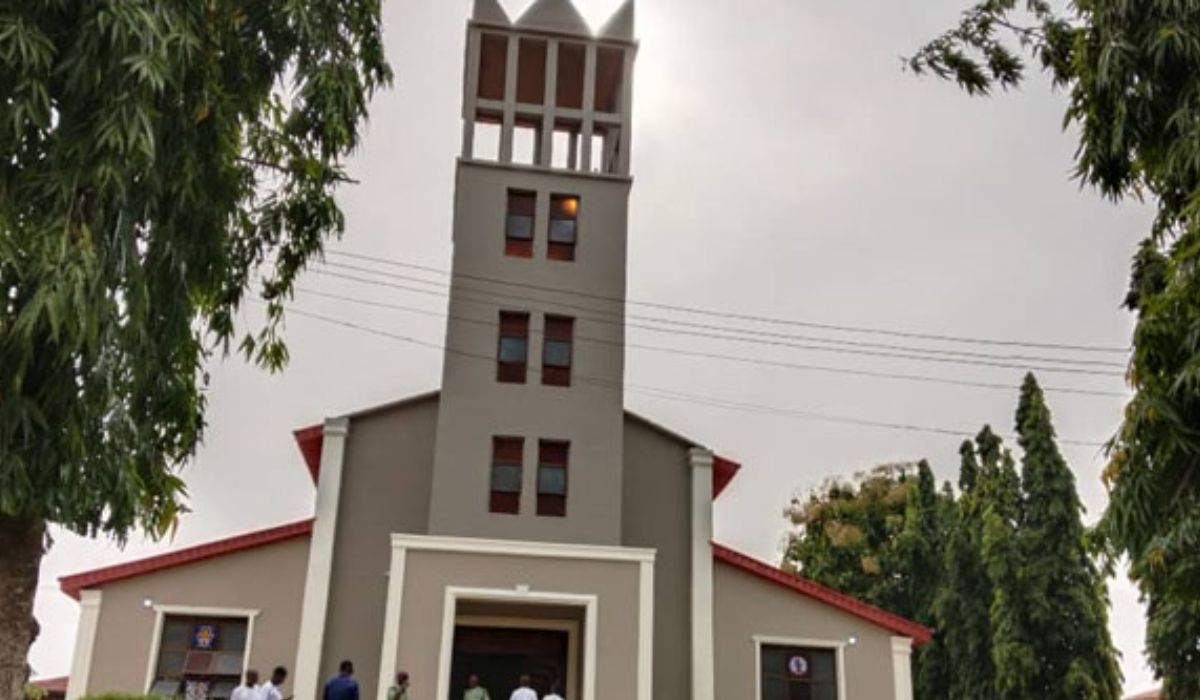
A strong call for urgent action on youth unemployment took centre stage at a national prayer conference, tagged “New Wine/Fresh Fire Conference 2026,” in Sango-Ota, Ogun State, where religious leaders and policy advocates warned that Nigeria’s future stability depends on how effectively it engages its growing young population.
Addressing journalists at Rhema Christian Church & Towers on Saturday, Archbishop Taiwo Akinola, leading other clerics, described youth unemployment as “One of the most defining challenges of our time,” noting that millions of young Nigerians remain excluded from meaningful economic participation despite signs of macroeconomic recovery.
The briefing, organised by Christ Global Network, focused on national security, economic realities, youth inclusion, and the forthcoming elections, but it was the persistent lack of jobs for young people that drew the strongest emphasis. Speakers linked the issue directly to broader concerns about insecurity and social instability across the country.
“Nigeria’s youth population remains its greatest asset,” Akinola said. “Yet, in 2026, youth unemployment and underemployment continue to pose serious national challenges that must be addressed with urgency and sincerity.”
He cited labour trends indicating that a significant proportion of young Nigerians are either unemployed or trapped in informal, low-income work, even as inflation shows signs of easing. According to him, the disconnect between economic growth indicators and real-life opportunities for young people is widening.
The Archbishop warned that each year, hundreds of thousands of graduates enter a labour market that is unable to absorb them. “Job creation has not kept pace with population growth,” he said, adding that “this imbalance is not just an economic issue, it is a national risk.”
Participants at the event highlighted the consequences of youth unemployment, including increased vulnerability to crime, irregular migration, and social unrest. Akinola stressed that “when young people lose hope in their future, the entire nation becomes vulnerable.”
He further noted that the continued migration of skilled Nigerian youths abroad reflects both ambition and frustration. “The so-called ‘brain drain’ is not merely a trend—it is a signal that the system is not working for many of our brightest minds,” he said.
Despite the challenges, the Network pointed to emerging opportunities in the digital economy, creative industries, and small-scale enterprises. However, Akinola emphasized that these sectors require deliberate policy support to become sustainable sources of employment.
“We must move beyond rhetoric to action,” he said. “Large-scale youth job creation initiatives in agriculture, technology, and manufacturing are no longer optional, they are essential.”
The group also called for expanded vocational training and digital skills development, arguing that the current education system does not adequately prepare young people for the realities of the labour market. “There must be a stronger alignment between education and employment,” Akinola added.
Access to funding for youth-led enterprises was another major concern raised at the briefing. According to the Network, many young entrepreneurs struggle to scale their ideas due to limited financial support and inadequate institutional backing.
“Empowering young people to create jobs, rather than only seek them, is a critical part of the solution,” Akinola said, urging both government and private sector stakeholders to invest more intentionally in youth innovation.
The program also linked youth unemployment to national security concerns, noting that idle and disillusioned young populations can be more easily drawn into criminal activities. “Security and employment are deeply interconnected,” Akinola stated. “We cannot address one without the other.”
Looking ahead to the forthcoming elections, the Network called for increased youth participation in the democratic process, warning that low voter turnout among young people could undermine the legitimacy of governance. “Young Nigerians must not disengage, they must take ownership of the nation’s future,” he said.
In conclusion, Akinola expressed cautious optimism, noting that while Nigeria faces significant challenges, it also possesses the human capital needed for transformation. “If we invest rightly in our youth,” he said, “we will not only solve unemployment, we will secure the future of this nation.”