Follow Us on Google
From Fred Ezeh, Abuja
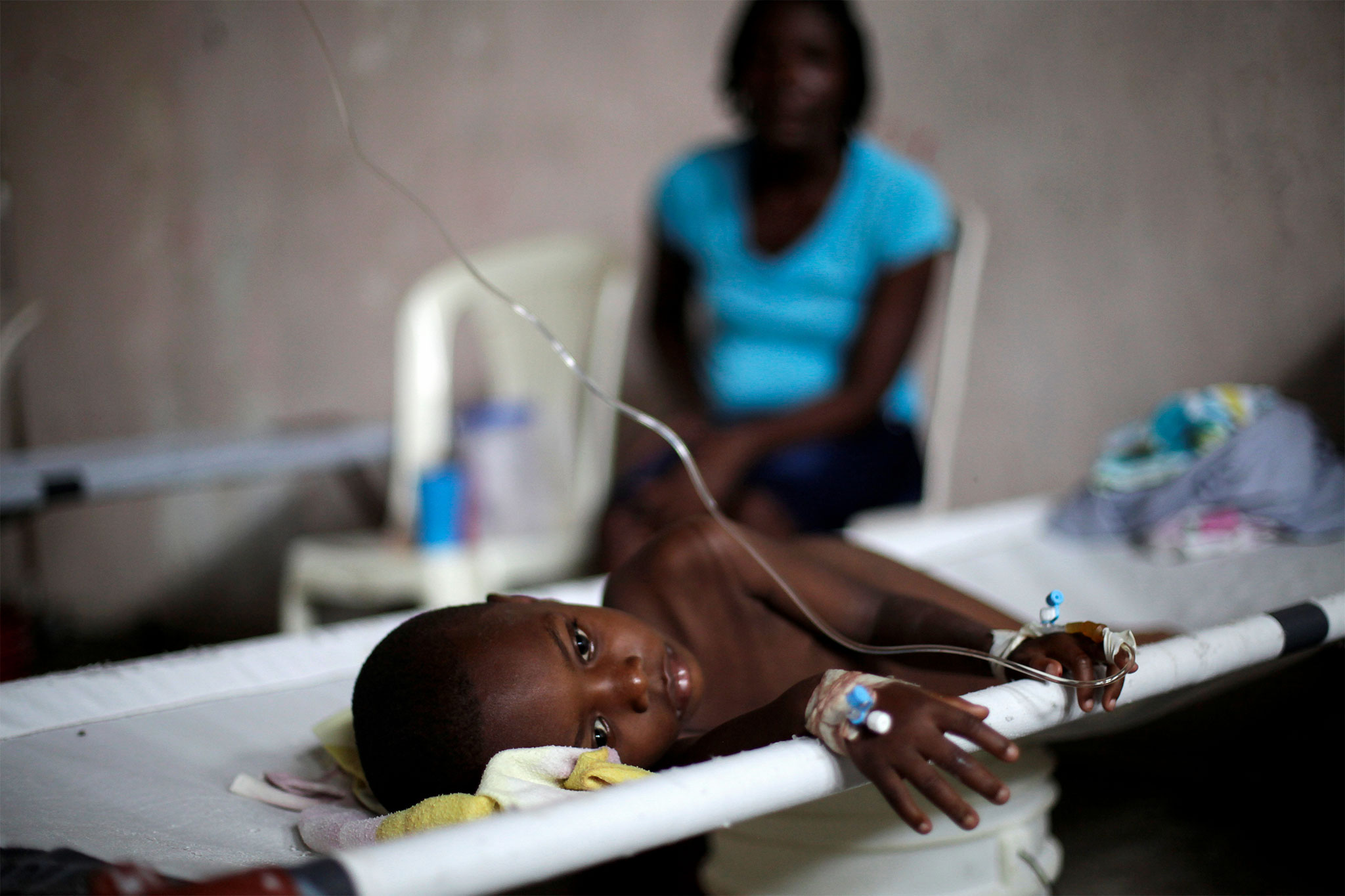
The Nigeria Centre for Disease Control (NCDC) has said that Cholera continues to spread across the country with the number of deaths rising to 103, indicating a significant increase in the case fatality.
It noted that six states, namely, Lagos, Bayelsa, Abia, Ebonyi, Katsina and Zamfara, have been responsible for 83 per cent of Cholera cases, and it has deployed National Rapid Response Teams (NRRT).
Aside from Cholera, the Centre said it recorded significant increases in the reported incidences of other epidemic-prone diseases such as yellow fever, malaria, dengue fever, and other respiratory-related illnesses such as cold, flu, and COVID-19.
NCDC Director General, Dr Jide Idris told journalists at a press conference in Abuja, on Tuesday, that besides Enugu and Plateau, 34 other states including the FCT have reported cases or cases of Cholera (3,623 suspected cases).
He recalled that in its last Cholera update released on July 2, 2024, 63 deaths were recorded in 33 states but the trend analysis from previous outbreaks shows the peak of the outbreak usually coincides with the peak of the rainy season, which is still some weeks ahead.
He noted that some hotspots in northern states have been reporting fewer cases of the epidemic, thus linking it to the delayed onset of the rainy season.
“Virtually, all the States in Nigeria have reported cases of cholera, but there appears to be an underreporting of the situation as the required data from the states are not coming in real time as expected given the trend in previous years.
Other News
“This is, perhaps, largely due to inadequate resources to support surveillance and disease detection activities at the sub-national level.
“Additionally, this may likely be further complicated by the effect of political undertones for reporting cholera, which some see as a stigma or disease proxy indicator for the inability of the affected communities/persons to have access to potable water and other basic amenities of life.”
However, the NCDC boss confirmed that the Centre is implementing the National Incident Action Plan for the response, intensifying efforts targeted at supporting states to conduct active case searches and optimize laboratory capacity, with prepositioning of cholera management supplies and capacity building in anticipation of possible surge ahead.
“We have our eyes on the ball. We will continue to strengthen case management efforts to sustain the decline in the fatality ratio until we report the global target CFR of less than one per cent.
“Using the National Cholera Multi-Sectoral Emergency Operations Centre (EOC), we would continue to lead the coordination, communication, and cooperation of all stakeholders involved in the national response,” he said.
He thus urged state governments to continue to prioritize actions that ensure access and use of safe water, basic sanitation, and proper hygiene practices in communities, advocating that Ministries of Water Resources and Environment ensure adequate and functional Water, Sanitation, and Hygiene (WASH) facilities in all LGAs and communities.
“In addition to that, States and Local Governments should develop and maintain proper drainage systems to prevent water accumulation and reduce mosquito breeding sites,” he said.
He advised healthcare workers to always practice standard safety precautions, such as wearing gloves while handling patients or providing care to an ill patient or relative, and also intensify surveillance efforts to report suspected cholera cases promptly.