Follow Us on Google
By Shafa’atu Suleiman, Sokoto
On a day set aside to honour the world’s youngest citizens, this year’s World Children’s Day in Sokoto carried a message far beyond celebration.
It has become a moment of deeper reflection, a time to examine what duty bearers have done, and what still remains undone, in protecting the lives and futures of children in Northern Nigeria.
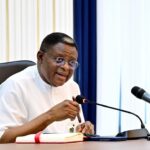
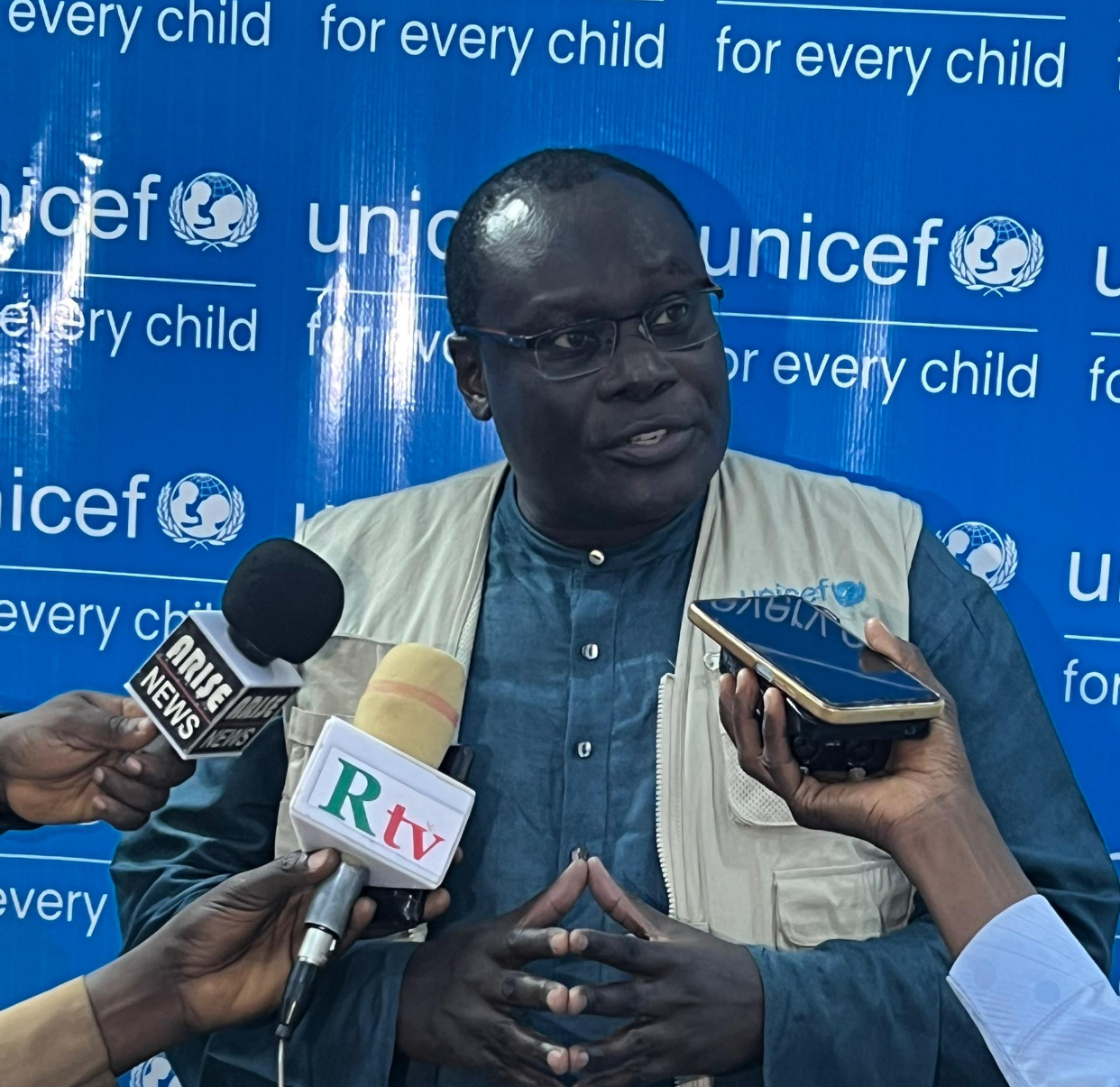
For UNICEF’s Chief Field Officer in Sokoto, Michael Juma, the day was about accountability.
“World Children’s Day is not just symbolic, it is a reminder of our duties that allows us to reflect on how far we have gone in fulfilling our commitments to children”
Across Sokoto, Kebbi and Zamfara UNICEF has become a frontline defender of children’s rights. And the statistics tell a compelling story.
From remote settlements to crowded urban slums, access to healthcare remains a major challenge for thousands of families. UNICEF’s intervention aims to close this gap by providing free medical services to eighteen thousand households, including children under five years across Sokoto State.
The organisation also mounted an intensive immunisation campaign to address the high number of zero-dose vaccinations.
Remarkably the organisation has successfully reached out to 1.5 million children during the October round of vaccinations, a number which the state commissioner for health Dr Faruk Umar said was above the target.
To tackle the region’s high rate of newborn deaths, UNICEF supported the establishment of a Special Newborn Care Unit (SNCU) at the Specialist Hospital in Sokoto. The unit has benefited over 1 million sick and low-birth-weight babies, offering life-saving treatment that was previously unavailable.
Other News
“We now see premature babies survive conditions that used to claim lives too easily, it is a lifeline for mothers and the newborns”’ said a nurse at the unit.
As Northern Nigeria continues to battle widespread malnutrition, especially among children under five, Juma said that in Sokoto, UNICEF has reached 3.4 million children with Vitamin A supplementation, a critical intervention that strengthens immunity and prevents deficiencies.
He said across communities two hundred and eighty five children suffering severe acute malnutrition are receiving Ready-to-Use Therapeutic Food (RUTF), with an impressive 95 percent recovery rate, which is a signal of the impact of timely intervention.
“Recently, the Sokoto State Government released one hundred million to support the state’s nutrition programme, and UNICEF matched this amount, doubling the pool of resources available for high-impact nutrition supplies”
“This is a positive step, but we must do more. As dietary diversity remains a challenge. We have sufficient food in Sokoto, I think in terms of dietary diversity there is need for us to empower all pregnant and lactating mothers to ensure that children receive the dietary requirements”
GIVING CHILDREN A FUTURE
In a region with one of the highest numbers of out-of-school children, Sokoto state government in collaboration with UNICEF continues to push back against the crisis.
Juma said Currently, nine hundred and fifteen thousand children in Sokoto are benefitting from the foundational literacy and numeracy programmes supported by UNICEF.
He said through community mobilisation, school management committees and integrated Qur’anic schools,two hundred and fifteen thousand out-of-school children have been identified and returned to classrooms.