Follow Us on Google
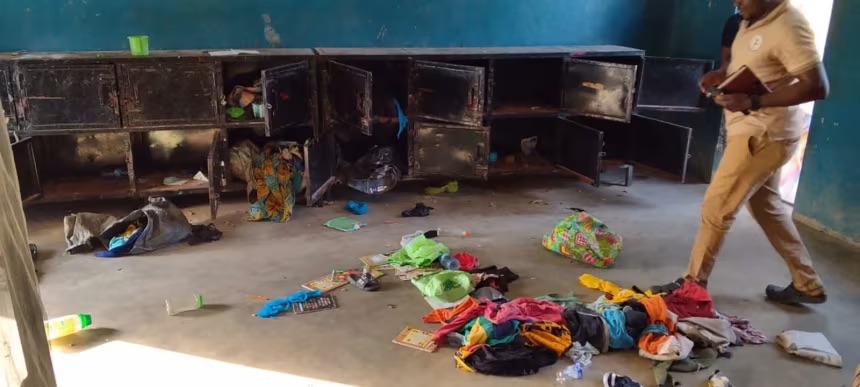
The recent abduction of school children and teachers in Oyo and Borno states has drawn attention to the escalation of security challenges across the country. Not less than 45 students and teachers were abducted from Baptist Nursery and Primary School, Yawota; Community Grammar School and L.A. Primary School in Esiele, Oriire Local Government Area of Oyo State on May 15. Unfortunately, one of the kidnapped teachers, Michael Oyedokun, was later beheaded by the bandits. The Boko Haram terrorists also attacked Mussa Primary and Junior Secondary School in Askira/Uba Local Government Area of Borno State and abducted 42 students.
The Oyo and Borno incidents came shortly after the abduction of some passengers along the Makurdi-Otukpo Road in Benue State, in April. The attack on Government Girls Comprehensive Senior Secondary School (GGCSS), Maga in Danko/Wasagu Local Government Area, Kebbi State on November 17, 2025, led to the death of the Vice Principal, Malam Hassan Yakubu Makuku and abduction of 25 students. The attackers had invaded the school and engaged police personnel on duty in a gun duel.
The heightened insecurity has underscored the need for new strategic and proactive measures to curb the menace. The incessant abduction of students and teachers across the country must be halted forthwith. The growing attacks on schools and abduction of students and teachers will lead to withdrawal of students by parents. The spreading of insecurity across the country has further underlined the need for state police. President Bola Tinubu alluded to this fact, while responding to the recent abduction of students in Oyo State.
The Oyo and Borno episodes are sad reminders of similar abductions of school children in Kuriga in 2024, Chibok in 2014, Dapchi in 2018, Kankara in 2021. They point to the worrisome dimension of insecurity in the country. Despite the Safe School Initiative, the rising abduction of school children has seemingly made school unsafe. Without urgently checking the menace, many children will be out-of-school because of fear of being kidnapped. Considering the fact that some of these schools are in remote areas, the government has not been able to secure them. Sadly, they have become soft targets for the terrorists and bandits.
Other News
Nevertheless, the government must check the incessant abduction of school children and teachers before many schools are deserted. Since education is the right of every Nigerian child, anything that undermines that inalienable right of the child must be tackled. Taking or holding the children hostage is a serious disincentive to education. With the recurrent abduction of school children, the out-of-school crisis will get worse. Therefore, we urge government to rise to the occasion and ensure that the school environment is safe and secure. Instructively, the primary duty of government is the security and welfare of the citizens. This should compel the government to ensure security of school children. Any attack on school children is invariably an attack on the future of the country.
Good enough, the Senate has declared that the Oyo and Borno incidents have further strengthened the resolve of the National Assembly to fast-track the establishment of state police. We agree with the Senate Leader, Opeyemi Bamidele, that the incessant abduction of students and teachers “is a tragic national concern that negates our national development indices.” There is no more time for complacency on the matter. The rising trends in crime and changing phases of criminal activities indicate that Nigeria’s centralised policing system is inadequate . With over 200 million citizens, Nigeria’s police strength put at about 370,000 personnel is grossly inadequate. While United Nations police ratio to citizens is 1:450 citizens, Nigeria’s ratio is 1:600 citizens.
The unceasing insurgency in the North-East, the ravaging banditry in the North-West and raging communal unrest in other regions, have further exposed the obvious limitations of central policing arrangement in areas of slow response, poor intelligence gathering, and diminishing community trust in law enforcement. The present Nigeria Police Force is too regimented and over-stretched for effective response to the changing phases of criminality in the country. Since every crime is local, our response to rising security challenges must have local components.