Follow Us on Google
By Emma Njoku
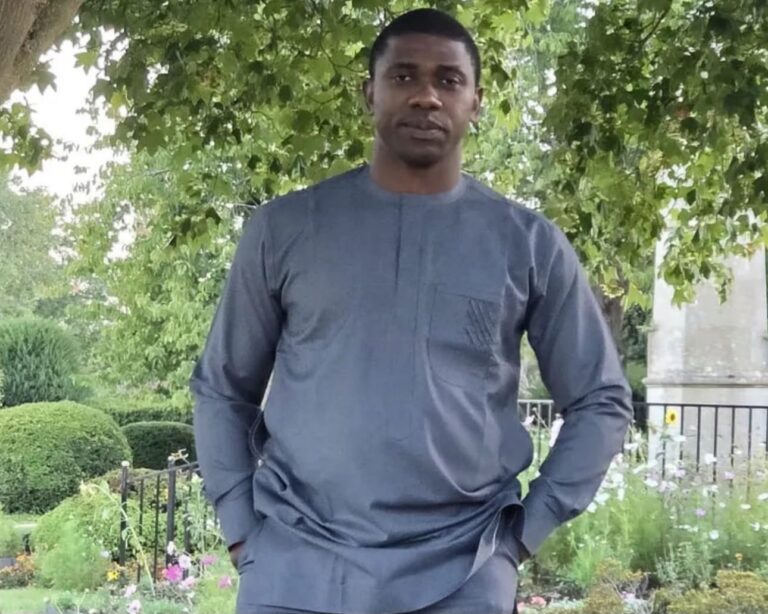
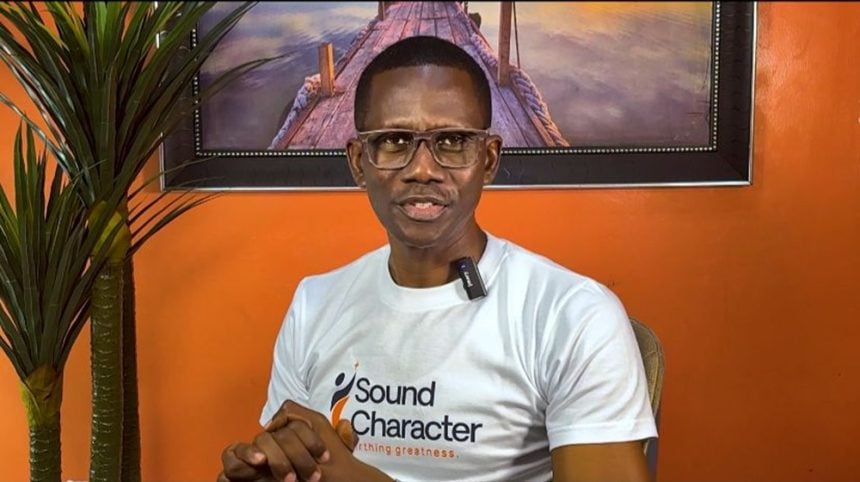
A sound character coach and nation builder, David Adegboyega, has urged citizens to respect public offices while holding them accountable, in line with the Constitution.
In a time when Nigeria’s political space is increasingly dominated by personalities rather than institutions, Adegboyega noted that civil government at all levels is divinely permitted for the common good of society, a reality that should inspire citizens to honour the office itself, even as they critically assess the actions and character of those in power.
Speaking through a recently released article titled: “Respect the Office, Question the Person Respectfully,” Adegboyega highlighted what he described as a growing confusion between the authority of public institutions and the individuals temporarily occupying them.
“There is a constant dragging between the Office of the Executive and the Person of the Executive,” Adegboyega noted. “We must raise a generation cultured enough to respect the office, while being confident enough to question the person, respectfully, in the interest of the common good.”
He acknowledged the frustrations many Nigerians feel toward leadership, including questions about competence, character, and fairness in the political system. However, he stressed that dissatisfaction with leaders should not translate into contempt for institutions.
Drawing from constitutional provisions, Adegboyega reminded Nigerians that sovereignty belongs to the people, not office holders.
“Executives only borrow power from the people,” he said, referencing Section 14(2)(a) of the 1999 Constitution. “Yet in practice, we defend policies because ‘our person’ is in power, not because they are lawful or effective. This is how democracies decay.”
He warned that when leaders personalise power, institutions weaken, leading to abuse of authority, erosion of due process, and replacement of professionalism with loyalty.
“The Office of the Executive is bigger than whoever is trending,” he emphasised. “Power has limits. It must be exercised according to law, not emotions or political survival.”
While encouraging accountability, Adegboyega also cautioned against destructive criticism that undermines national institutions.
“Skepticism is democracy’s immune system,” he said, “but dragging the office itself because of dislike for the person weakens the structures meant to protect citizens.”
A major focus of his message centered on what he described as Nigeria’s “character gap.” He argued that the nation’s leadership challenges are rooted not only in flawed systems but, also, in weak ethical foundations.
Quoting former U.S. presidential speechwriter, Peggy Noonan, Adegboyega stressed that character, not brilliance, is the most essential quality of leadership.
“You can hire intelligence and expertise,” he said, “but you cannot buy courage, decency, or a strong moral sense.”
Through his Sound Character initiative, Adegboyega said he is committed to raising a new generation of ethically grounded young people who will lead across sectors with integrity.
He called on parents and teachers to prioritise character education alongside academic learning, describing it as key to sustainable governance.
“Laws alone cannot save a country,” he stated. “Systems are only as strong as the character of the people running them.”
Addressing those currently in power, Adegboyega reminded leaders that public office is a trust, not a privilege to be exploited.
“Strong leaders build institutions that outlive them,” he said. “If governance collapses once you leave office, you have failed, no matter how popular you were.”
He also urged young Nigerians to move away from personality-driven politics and, instead, focus on demanding lawful, just, and effective governance.
“Democracy should not be about who you like,” he said. “It should be about what works for the common good.”
Adegboyega concluded by stressing that while individuals will come and go, institutions will remain, and Nigeria’s future depends on producing leaders whose character matches the dignity of the offices they occupy.
“Our collective task,” he said, “is to build a nation where we respect the office and question those who hold it respectfully, so that the common good can flow to all.”