Follow Us on Google
From Okwe Obi, Abuja
The Resource Centre for Human Rights and Civic Education has unveiled the Abuja Original Inhabitants Heritage Centre to preserve the cultural identity and dignity of the Federal Capital Territory’s (FCT) indigenous communities.
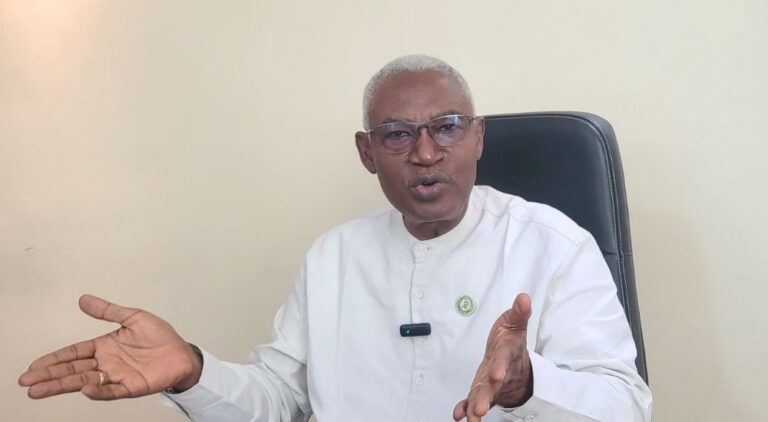
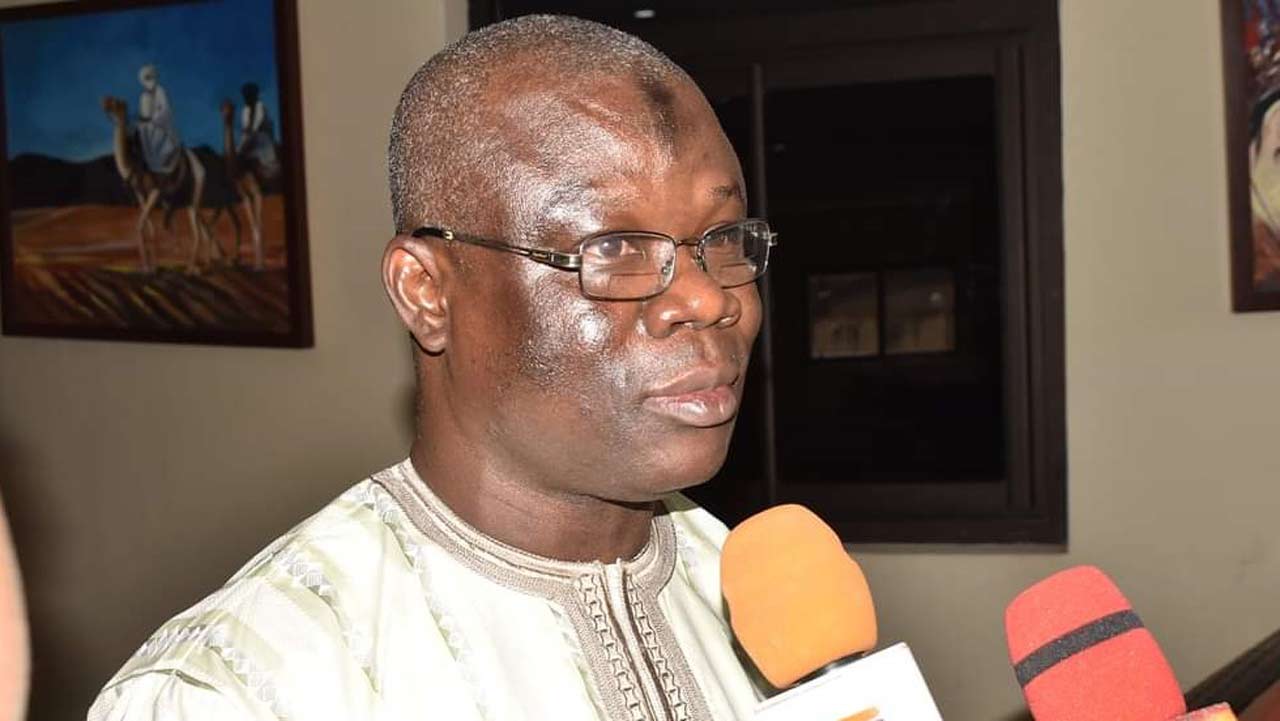
Its Executive Director, Dr. Ibrahim Zikirullahi, who spoke during the weekend at the groundbreaking ceremony of the facility located at University of Abuja, said the centre represents far more than a physical structure
Supported by the MacArthur Foundation, and the University of Abuja, the Abuja Original Inhabitants Heritage Centre aims to serve as a symbol of recognition, inclusion, and justice and ensure that the city’s first settlers are not erased from its history.
Zikirullahi described the centre as a living monument to justice, truth, and inclusion.
He said the heritage centre would serve as a hub for research, civic engagement, and cultural expression, adding that the edifice would be a space where history is not rewritten but reclaimed.
According to him, it will bridge the gap between culture and citizenship while ensuring that Nigeria’s democracy embraces diversity and acknowledges the rights of indigenous people.
“This OI Heritage Centre is not a museum of memory—it is an institution of justice. It affirms that cultural recognition is a democratic right. It restores dignity to those whose histories have been silenced.
“Globally, the protection of Indigenous rights is a moral and political imperative.
“In Nigeria, it is a democratic necessity. The displacement of Abuja’s Original Inhabitants during the creation of our capital remains a stark reminder: development must never come at the expense of dignity.
“Through this Centre, we reaffirm a simple truth: democracy cannot flourish where heritage is erased. The right to culture, identity, and inclusion is inseparable from the right to citizenship.
“This project is a bridge—between tradition and modernity, ancestral wisdom and civic innovation. It will be a hub for research, dialogue, and engagement. A place where heritage fuels justice and inspires democratic practice.”
Zikirullahi paid tribute to the President of the MacArthur Foundation, Prof. John Palfrey, whose leadership, he said, continues to inspire global advocacy for justice and accountable governance.
He also praised Dr. Kole Ahmed Shettima, Africa Director of the Foundation, describing him as a steadfast ally of communities striving for inclusion and justice.
Shettima explained that the Foundation’s participation stemmed from a conscious effort to support communities in the FCT.
“Even though we have worked in Abuja since 2000, we realised we never had any programme focused on the FCT. When our president heard this, he said, ‘You are bad neighbours.’ That moved us to begin this partnership with CHRICED,” he said.
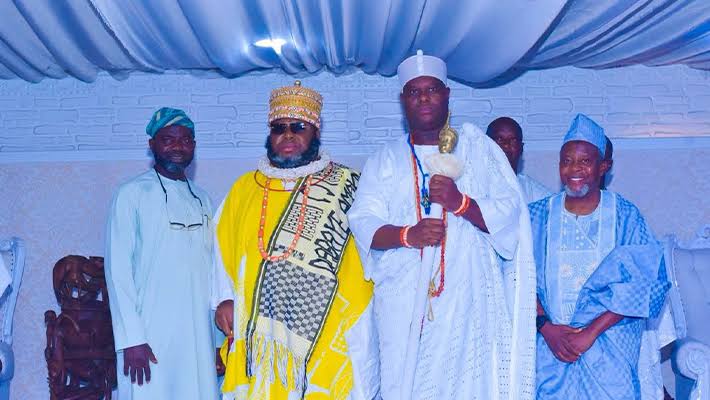
Sarki of Karshi, Alhaji Ismaila Mohammed, described the event as a foundation of justice and dignity for the indigenous people whose voices have long been silenced.
He recalled that the creation of Abuja in 1976 came at great cost to its original inhabitants, many of whom were displaced and stripped of their ancestral lands without adequate compensation.
The royal father said the Abuja Original Inhabitants Heritage Centre would not merely serve as a museum but as a “living archive” preserving the stories, artefacts, and traditions of the FCT’s nine indigenous tribes.
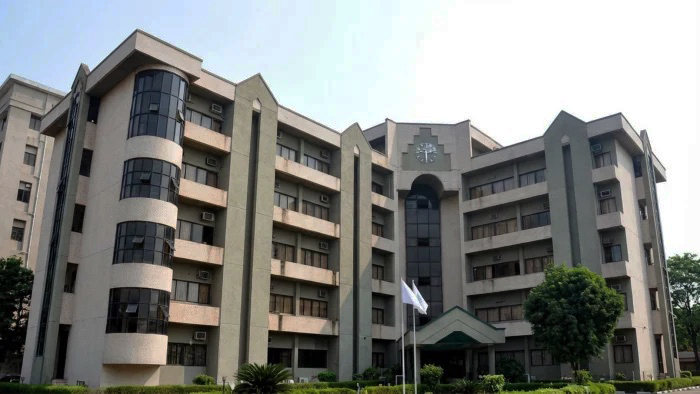
Vice Chancellor of the University of Abuja, Prof. Mathew Adamu, expressed delight that the institution would host the centre, describing the partnership as a model for lasting change.
“This collaboration between CHRICED, the University, and the MacArthur Foundation is a bridge between research and reality, between knowledge and justice,” he said.