Follow Us on Google
By Steve Agbota, [email protected] 0
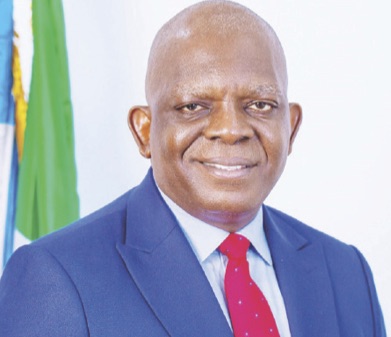
The Executive Secretary/Chief Executive Officer, Nigerian Shippers’ Council (NSC), Pius Akutah, has stressed the necessity of adopting International Cargo Tracking Notes (ICTN) to streamline port activities across the country.
In this interview, Akutah explained that the adoption of ICTN would enhance transparency, security and revenue generation. He further highlighted the promotion of digital transformation through the National Single Window as a key initiative.
Akutah also touched on the importance of the proposed Nigerian Port Economic Regulatory Agency Bill. He explained that this bill, if passed, would give the Shippers’ Council the power to regulate tariffs, services and improve port competitiveness.
He also addressed critical issues facing the agency, such as infrastructure deficiencies, and outlined the strategies being employed to address them.
What challenges does the Nigerian Shippers’ Council face in its role as an economic regulator?
The challenges are multifaceted. Key among them is regulatory resistance from some service providers and stakeholders who initially resisted our mandates. Infrastructure deficiencies at Nigerian ports, such as outdated equipment and inadequate road networks, further complicate our efforts to enforce efficiency. Additionally, legal gaps remain a concern, as our regulatory role requires stronger legislative backing through the proposed Nigerian Port Economic Regulatory Agency Bill. Political interference, lack of stakeholder coordination, and high costs of doing business also hinder progress. Addressing these issues requires robust collaboration and decisive policy implementation.
Can you elaborate on the prospects for the Nigerian Shippers’ Council to overcome these challenges?
The proposed Nigerian Port Economic Regulatory Agency Bill is a significant prospect. Once passed, it will empower us to enforce tariffs, regulate services, and enhance port competitiveness. We are also focusing on implementing the International Cargo Tracking Note (ICTN), which will boost transparency, security, and revenue generation. Other initiatives include promoting digital transformation through the National Single Window and Enterprise Content Management systems, fostering public-private partnerships, and exploring sustainability through green shipping practices. These initiatives aim to reposition Nigerian ports as globally competitive hubs.
How is the Nigerian Shippers’ Council engaging stakeholders to ensure alignment with its goals?
Engagement with stakeholders is a priority for us. We regularly collaborate with industry players, including the Nigerian Ports Authority, shipping companies, and freight forwarders. Recently, we facilitated an agreement between the Maritime Workers Union of Nigeria and the Shipping Agencies, Clearing and Forwarding Employers Association to ensure labor stability in the shipping sector. Through these partnerships, we aim to streamline processes, address congestion, and improve overall port efficiency.
There are some countries where they have Shippers’ Councils that are governed by the shippers themselves, not by any public authority. How does the government regulate them?
The establishment of shippers’ councils across developing countries was initiated by UNCTAD, the United Nations Conference on Trade and Development. This was due to the impact of the level of development of these countries, as most shippers were weak, unorganized, and fragmented. Therefore, there was a need for public authority to assist them in controlling the exploitative nature of shipping service providers. While shippers have associations, such as the one supported by the Nigerian Shippers’ Council, they can participate in their activities. However, in developed countries, shippers’ associations are often managed by the shippers themselves, without direct government regulation.
It’s important to note that effective regulation requires public authority. Shippers’ associations can exist, but government oversight is crucial. This is similar to professional bodies like the Nigerian Medical Association and the Nigerian Society of Engineers, which operate under specific regulations and are also subject to government oversight.
What challenges hinder the Inland Dry Ports’ operations, and how can these be addressed?
Inland dry ports face challenges such as poor road infrastructure, insecurity, and the absence of liability frameworks. Shipping companies are hesitant to consign goods to these ports due to these issues. The Nigerian Shippers’ Council has proposed legislation on the carriage of goods via land, rail, and road, which, once passed, will address this concern. Additionally, robust rail infrastructure is essential for the success of these ports.
Concession agreements for port operators remain overdue for renewal. What is the current stance of the government on this issue?
In 2016, some agreements were due for review. A committee was formed, and the Shippers’ Council was later included. The initial proposal was to review these agreements for five years, which is the current status. To our knowledge, there’s no indication that the government is unwilling to extend or review these agreements.
The implementation of the International Cargo Tracking Note (ICTN) has faced significant delays. What are the reasons, and how can they be resolved?
The ICTN has been in the pipeline for decades, and its implementation has faced various challenges. Legal hurdles and procurement disputes have contributed to these delays. The Shippers’ Council is advocating for swift resolution of these issues to enable the implementation of the ICTN.
Shipping companies’ reluctance to release container deposits and containers to consignees outside Lagos is a recurring issue. What are the contributing factors, and what solutions are being considered?
Many shipping companies have suffered significant container losses due to various factors, including the activities of some freight forwarders. To address this, the Shippers’ Council is considering an insurance-based solution where consignees would pay a service charge to secure the release of containers. This would mitigate the risk of container loss and encourage timely returns.
Once the new Bill at the National Assembly is passed, the Nigerian Shippers’ Council will be expected to regulate economic activities within the industry. Does the Council have the capacity to handle this, especially given anticipated opposition from stakeholders?
The Nigerian Shippers’ Council is well-prepared to assume this regulatory role. We have conducted a skills gap analysis and taken steps to address any deficiencies. The passage of the bill will provide us with the necessary legal authority to enforce regulations and sanction non-compliance. We are confident in our ability to effectively perform these regulatory functions.
What is your vision for the NSC in the next few years?
My vision is for the NSC to be a world-class regulator that drives Nigeria’s maritime and logistics sectors to align with global standards. By leveraging technology, fostering sustainability, and advocating for policy reforms, we hope to enhance the competitiveness of Nigerian players and contribute significantly to economic development. Collaboration, innovation, and commitment to excellence will be our guiding principles moving forward.
INTELS empowers women, fosters fashion industry
INTELS Nigeria Limited, an oil and gas logistics firm, recently celebrated the graduation of 62 women from its Women Empowerment Project Scheme Synergy (WEPSS).
The ceremony, held at the Rosa Volpi Women Development Center, marked a significant milestone in the company’s commitment to empowering women and uplifting communities.
The 11th graduation since WEPSS’s inception in 2013 has brought the total number of trained beneficiaries to an impressive 2,047. The program’s ambitious goal is to empower 5,000 women over 20 years, equipping them with valuable skills in fashion design and tailoring.
INTELS Managing Director, Pasquale Fiore, emphasised the company’s dedication to empowering women: “We believe that investing in women is investing in the future. WEPSS has empowered over 2,000 women, and we’re committed to expanding its impact.”
Addressing the graduates, Fiore encouraged them to leverage their newfound skills: “Knowledge is power, and ambition is the driver. Use your skills to excel in the fashion industry and remember the importance of giving back to society.”
The company also made a significant gesture towards its host communities by donating 500 garments designed by the graduating class to the Tilda Goes Green Foundation in Port Harcourt.
The Executive Director of INTELS, Amaopusenibo Mike Epelle, urged the graduates to strive for excellence: “You have the opportunity to become role models and inspire other women. Develop yourselves and make the most of your training.”
WEPSS Project Manager, Nancy Freeborn, highlighted the program’s transformative impact: “We’ve witnessed countless success stories. Women have come here with dreams and left with the skills to achieve them.” She cited examples of past beneficiaries who have established successful businesses and created jobs.
To recognize outstanding achievement, Obarijima Lewa, the 2024 Best Graduating Trainee, received a N2 million grant and a starter kit. Hannah Brown, the 2023 Batch B Best Graduating Trainee, was awarded a fully furnished shop to launch her fashion career.
Beyond WEPSS, INTELS remains committed to community development, supporting initiatives in infrastructure, education, healthcare, and vocational training. With over 40 years of experience, INTELS continues to set the standard for corporate social responsibility in Nigeria’s oil and gas sector.