Follow Us on Google
From Jude Chinedu, Enugu
Across continents, cultures and generations, cancer has quietly become one of the defining human stories of the modern age.
In hospitals from Lagos to London, Johannesburg to Tokyo, Mumbai to New York, millions of families wake each morning carrying the same fear — a diagnosis capable of turning their lives upside down within seconds.

A mother in India waits outside an oncology ward praying her daughter’s chemotherapy succeeds. A taxi driver in Kenya sells his only vehicle to pay for radiotherapy. A teenager in Brazil learns she has leukaemia. A grandfather in England prepares for another painful surgery. Somewhere in Nigeria, a family gathers in silence after doctors confirm breast cancer has spread beyond treatment.
Cancer is no longer seen as a distant disease affecting only a small group of people. It has evolved into one of humanity’s greatest medical, social and economic challenges, cutting across race, class, religion and nationality with frightening ease.
Today, almost every family somewhere in the world has a cancer story. Some are stories of survival and resilience. Others end in grief.
The disease has claimed presidents, labourers, musicians, professors, market women, athletes and children. It has exposed the strengths of advanced healthcare systems while revealing the painful weaknesses of poorer nations unable to provide adequate care for millions of patients.
Globally, cancer now kills more people every year than HIV/AIDS, tuberculosis and malaria combined.
Yet beyond the grim statistics lies another reality — one of scientific breakthroughs, extraordinary courage, emotional devastation and an urgent global race to confront one of nature’s most complex diseases.
When news broke in May 2026 that Nollywood actor Alex Ekubo had died after a private battle with kidney cancer, grief spread rapidly across Nigeria and beyond. He was only 40.
For months, fans had wondered why one of Nollywood’s most visible and charismatic stars had disappeared from public life. Rumours quietly circulated online, but few imagined he was fighting for his life behind closed doors.
Then came the confirmation. Suddenly, conversations about movies and celebrity lifestyle gave way to a much deeper public discussion about cancer — a disease that has become one of humanity’s deadliest and most relentless adversaries.
His death reminded many Nigerians of an uncomfortable truth: cancer is no respecter of fame, influence, age or wealth. A disease that begins quietly. Cancer often begins silently.
The human body contains trillions of cells programmed to grow, divide and die in a highly organised process. Old or damaged cells are naturally replaced with new healthy ones.
Cancer develops when this orderly system breaks down. Instead of dying, abnormal cells continue multiplying uncontrollably. Over time, they may invade nearby tissues, damage organs or spread throughout the body.
Sometimes these abnormal cells form tumours. In other cases, such as leukaemia, they affect the blood and bone marrow without forming solid masses.
Doctors classify cancer as a genetic disease because it develops from mutations or changes in genes that regulate how cells grow and divide.
Some of these genetic mutations happen naturally as people age. Others are caused by environmental exposure, lifestyle choices or inherited genetic defects.
Cancer cells differ sharply from normal cells. Unlike healthy cells, cancer cells ignore signals telling them to stop growing. They evade the immune system, accumulate abnormal genetic changes and continue surviving when they should die.
Over time, they may spread beyond their original location through the blood or lymphatic system in a process known as metastasis. This stage is responsible for many cancer-related deaths. “It is important for people to understand that cancer is not just one disease,” medical experts frequently explain. “It is a large group of diseases with different causes, behaviours and outcomes.”
That complexity is one reason scientists have struggled for decades to find a universal cure.
The staggering global numbers
Cancer is now one of the biggest public health challenges facing the world. According to the International Agency for Research on Cancer (IARC), there were nearly 20 million new cancer cases globally in 2022 and approximately 9.7 million deaths.
The projections are even more alarming. Experts estimate that by 2050, annual cancer cases could rise to 35 million if urgent preventive measures are not strengthened worldwide.
The World Health Organisation says cancer currently accounts for nearly one in every six deaths globally. Lung cancer remains the most commonly diagnosed cancer in the world and the leading cause of cancer death, responsible for almost 1.8 million deaths yearly.
It is followed by breast cancer, colorectal cancer, prostate cancer and stomach cancer. The global cancer burden, however, is not evenly distributed. Developed countries often record higher diagnosis rates because they possess stronger screening systems and better access to healthcare.
Poorer countries, on the other hand, suffer disproportionately high death rates because patients frequently present late and treatment facilities remain inadequate.
Africa represents this imbalance vividly. Though the continent accounts for a smaller percentage of global cancer cases compared to Europe or North America, mortality rates remain significantly higher due to weak healthcare systems, limited awareness, poverty and poor access to specialised treatment.
Nigeria’s worsening cancer burden
Nigeria’s cancer crisis has become increasingly impossible to ignore. According to GLOBOCAN data and figures from the National Institute for Cancer Research and Treatment, the country records more than 120,000 new cancer cases yearly and close to 80,000 deaths annually.
Breast cancer remains the most common cancer among Nigerian women, accounting for over 25 per cent of new cancer cases.
Among men, prostate cancer is the leading diagnosis. Cervical cancer, colorectal cancer, liver cancer and non-Hodgkin lymphoma are also among the country’s major killers.
A recent review titled Current Status of Cancer Diagnosis and Treatment in Nigeria described the country’s cancer situation as severe and worsening.
The report highlighted several critical challenges, including poor public awareness, shortage of treatment centres, inadequate diagnostic equipment, high treatment costs and delayed diagnosis.
For many Nigerian families, receiving a cancer diagnosis often triggers financial disaster. Some sell land, drain savings or organise public fundraising campaigns to pay for surgery, chemotherapy or radiotherapy. Others simply abandon treatment because they cannot afford the costs.
According to health experts, nearly 90 per cent of healthcare spending in Nigeria still comes directly from patients’ pockets. That reality has devastating consequences for cancer patients, many of whom require long-term treatment costing millions of naira.
The tragedy behind the statistics
Cancer statistics can often feel cold and distant until they acquire familiar faces. Nigeria has lost several prominent personalities to the disease over the years.
Veteran actor and broadcaster Sadiq Daba battled both prostate cancer and leukaemia before his death in 2021. Musician Sound Sultan died after suffering from Angioimmunoblastic T-cell lymphoma, a rare cancer.
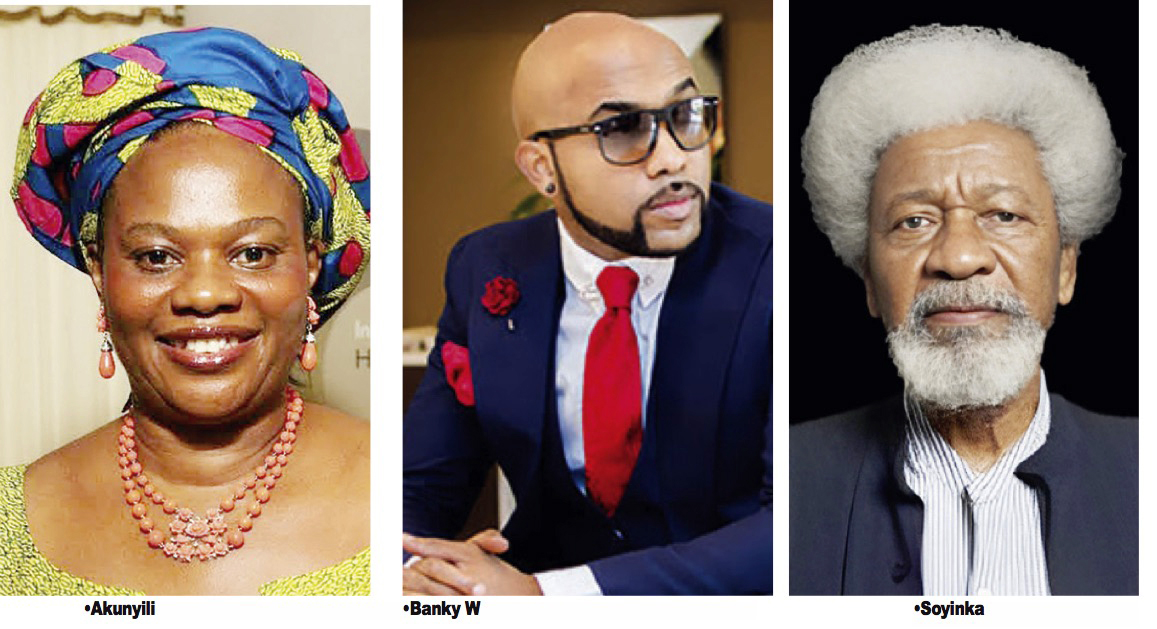
Former Director-General of NAFDAC Dora Akunyili died following a prolonged battle with uterine cancer. Human rights icon Gani Fawehinmi succumbed to lung cancer in 2009. Yoruba actress Aisha Abimbola died from breast cancer at the age of 46.
Globally, the losses have been equally profound. In Uruguay, José Mujica, the ex-guerrilla and former leftist president, widely known as the “poorest president,” passed away at age 89 following a battle with oesophageal cancer that spread to his liver.
Hage Geingob, former President of Namibia died in February 2024 at the age of 82, just weeks after a cancer diagnosis.
Former premier of British Columbia and Canadian Ambassador to Germany, John Horgan, died at 65 in November 2024 after multiple battles with cancer, including thyroid, bladder, and throat cancer.
FW de Klerk, the Nobel Peace Prize laureate and former South African president died at 85 in 2021 after a struggle with mesothelioma.
The long-serving Venezuelan president, Hugo Chavez, died of pelvic cancer in March 2013 at the age of 58.
Former French president, François Mitterrand, was diagnosed with prostate cancer shortly after taking office in 1981 and died at the age of 79 in 1996.
Former Nigerian president Umaru Musa Yar’adua passed away in May 2010 at age 58 following a protracted medical battle with lung cancer.
Ronald Reagan, the former U.S. President and world leader passed away in 2004 at the age of 93, years after surviving and being treated for colon and skin cancer.
Reggae legend Bob Marley died after melanoma spread aggressively throughout his body. Hollywood actor Chadwick Boseman quietly battled colon cancer for four years before his death in 2020.
Soul singer Aretha Franklin died from pancreatic cancer. Music icon David Bowie succumbed to liver cancer. Actor Patrick Swayze died following a long battle with pancreatic cancer.
These deaths intensified global conversations around cancer, especially among younger people who previously viewed the disease as something affecting mainly the elderly.
Cancer not a death sentence
Despite the tragedies, many survivors have helped challenge fear and stigma surrounding cancer. Nobel Laureate Wole Soyinka shocked Nigerians in 2014 when he publicly disclosed that he survived cancer after early detection and treatment.
“Many people think cancer is a death sentence,” Soyinka said. “No, cancer is curable.”
He explained that the disease was detected early after routine medical checks and that strict compliance with treatment played a major role in his recovery.
Singer Banky W also openly discussed his battle with skin cancer after undergoing multiple surgeries.
Sharing photographs of his surgical scars, he described them as evidence of survival.
“The pain will eventually go away but the scar won’t. And I’m glad because it is a reminder to me of what God has done,” he wrote.
Ngozi Okonjo-Iweala similarly revealed in 2015 that she battled cancer for years before eventually becoming cancer-free.
Other News
“I underwent surgery, chemotherapy and radiotherapy,” she disclosed during a tribute event in Abuja. “I am a cancer survivor.”
Other Nigerian survivors, including Karen Igho, Vast of Bracket, Tope Osoba and Pastor Ayo Oritsejafor, have also publicly shared their experiences.
Health advocates say such openness is crucial because it reduces stigma and encourages people to seek early medical attention.
Danger of late diagnosis
One of Nigeria’s biggest cancer challenges remains delayed presentation. Doctors say many patients first seek help from prayer houses, traditional healers or herbal centres before eventually visiting hospitals. By the time they arrive, cancers are often already advanced.
Fear also contributes significantly. Some avoid screening because they are afraid of receiving bad news. Others wrongly assume cancer automatically means death.
Medical experts continue to stress that early detection saves lives. When diagnosed early, many cancers become highly treatable and survival rates improve dramatically.
Regular screening can detect abnormalities before symptoms even appear. Mammograms assist early detection of breast cancer. Pap smears and HPV testing help identify cervical cancer before it becomes invasive. Colonoscopy helps detect colorectal cancer. Prostate screening can identify prostate abnormalities early.
Doctors advise people not to ignore warning signs such as unexplained weight loss, persistent lumps, abnormal bleeding, chronic fatigue, prolonged cough, skin changes or changes in bowel habits.
While these symptoms may not always indicate cancer, experts insist persistent symptoms should never be ignored.
What causes cancer?
Scientists say cancer develops because of mutations that alter how cells behave. Some mutations occur randomly during normal cell division. Others result from exposure to harmful substances.
Smoking remains one of the world’s leading preventable causes of cancer. Tobacco smoke contains thousands of chemicals capable of damaging DNA and triggering cancers of the lungs, throat, mouth, pancreas and bladder.
Heavy alcohol consumption also increases cancer risk significantly. Obesity, poor diet and physical inactivity are increasingly linked to cancers affecting the breast, colon, liver and pancreas.
Certain infections contribute heavily as well. Human papillomavirus (HPV) is strongly associated with cervical cancer, while hepatitis B and C infections increase the risk of liver cancer. Excessive exposure to ultraviolet radiation from sunlight remains a major cause of skin cancer globally.
Age also plays an important role.
As people grow older, the body becomes less efficient at repairing damaged DNA, allowing harmful mutations to accumulate over time.
Younger adults and rising fear
One of the most disturbing developments globally is the increasing number of younger adults diagnosed with cancer. Doctors across several countries are reporting rising cases of colorectal cancer, breast cancer and other malignancies among people in their 20s, 30s and 40s.
Researchers are still investigating the reasons behind this trend. Possible factors include processed diets, obesity, environmental pollution, sedentary lifestyles and changing eating habits.
The deaths of younger public figures such as Chadwick Boseman and Alex Ekubo intensified public anxiety around this development.
Health experts now warn that young people should never assume they are too young for cancer.
Evolution of cancer treatment
Despite the frightening statistics, medicine has made major advances against cancer over the last few decades. Treatment options now vary depending on the type and stage of the disease.
Surgery: Surgery remains one of the oldest and most effective cancer treatments, especially when cancers are detected early before they spread.
Chemotherapy: Chemotherapy uses drugs to destroy rapidly dividing cancer cells. Though often effective, it may also damage healthy cells, causing side effects such as hair loss, fatigue and nausea.
Radiation therapy: Radiation therapy uses high-energy rays to kill cancer cells or shrink tumours.
Hormone therapy: Hormone therapy is commonly used for cancers such as breast and prostate cancer that depend on hormones to grow.
Targeted therapy: Targeted therapy attacks specific molecules or genetic changes within cancer cells while causing less harm to healthy tissues.
Immunotherapy: One of the most important breakthroughs in recent years has been immunotherapy. This treatment helps the body’s immune system recognise and attack cancer cells more effectively.
Australian melanoma specialist Georgina Long gained international recognition for pioneering work in immunotherapy that transformed survival rates for some skin cancer patients.
Stem cell transplant: Stem cell transplants are commonly used for blood cancers such as leukaemia and lymphoma. Doctors often combine several treatment methods to improve survival chances.
The crushing cost of survival
While treatments have improved globally, they remain extremely expensive. In Nigeria, a single chemotherapy cycle may cost hundreds of thousands of naira.
Advanced surgeries, radiotherapy and long-term medications can push treatment costs into millions. Many families simply cannot cope financially. This economic burden explains why some patients abandon treatment midway or avoid hospitals altogether.
The emotional cost is equally severe.
Cancer patients frequently battle depression, fear and isolation. Families experience emotional exhaustion watching loved ones suffer. Children sometimes become caregivers to sick parents. Parents bury children they expected to outlive them.
Childhood cancer and Nigeria’s silent emergency
Health officials warn that childhood cancers are also rising in Nigeria.
According to the Federal Ministry of Health’s National Cancer Control Programme, children account for a growing percentage of annual cancer cases in the country.
Leukaemia remains one of the most common childhood cancers. Doctors say limited paediatric oncology facilities, poor awareness and treatment delays continue to worsen outcomes.
Many children diagnosed with cancer in Nigeria never complete treatment due to financial hardship or poor access to specialised care.
Nigeria’s struggle to improve cancer care
Despite enormous challenges, efforts are underway to strengthen cancer treatment infrastructure in Nigeria.
The Federal Government has launched several initiatives aimed at improving diagnosis, screening and treatment access.
The Nigerian Sovereign Investment Authority partnered with Lagos University Teaching Hospital to establish advanced cancer treatment facilities.
New oncology centres and diagnostic centres are also being developed across the country’s geopolitical zones.
The National Strategic Cancer Control Plan seeks to improve awareness, prevention and treatment accessibility nationwide.
Telemedicine platforms such as Oncopadi are helping bridge geographical barriers by connecting cancer patients with doctors and support services remotely.
Non-governmental organisations continue organising awareness campaigns and free screening programmes for breast and cervical cancer. Still, experts insist much more investment is needed.
Beyond medicine
Cancer is no longer simply a medical condition. It is now a social, emotional and economic crisis affecting virtually every country. Behind every hospital ward lies a frightened family praying for survival. Behind every survivor is a story of pain, resilience and hope.
Behind every statistic is a human life interrupted. Yet amid the devastation, cancer has also revealed extraordinary courage. Patients continue fighting. Doctors continue researching. Scientists continue searching for better treatments. And survivors continue proving that cancer is no longer automatically a death sentence.
Humanity’s defining health battle
Experts believe the future fight against cancer will depend heavily on prevention, education and improved healthcare access.
Reducing smoking rates, encouraging healthier diets, increasing physical activity, promoting vaccination against HPV and hepatitis, and expanding early screening programmes could save millions of lives over the coming decades.
Artificial intelligence and genetic research are also transforming cancer diagnosis and treatment globally. Scientists are increasingly developing personalised treatments tailored to individual patients based on genetic profiling. Still, major inequalities remain.
While wealthy countries continue making rapid medical progress, poorer nations risk falling further behind because of weak healthcare systems and inadequate funding.
For millions of patients worldwide, survival still depends largely on where they live and how much money they have. But perhaps the greatest challenge goes beyond science itself. It lies in changing public attitudes.
Because despite the fear surrounding the disease, doctors insist cancer is no longer automatically a death sentence. The earlier it is detected, the better the chances of survival.
And in that fragile space between diagnosis and hope, humanity continues one of its most important battles — the fight against a disease that has come to redefine medicine, mortality and the value of life itself.