Follow Us on Google
The dismantling of a sprawling N480 billion amphetamine factory hidden deep inside a forest in Ogun State is both a major law enforcement victory and a frightening revelation about the scale of Nigeria’s drug crisis. The operation by the National Drug Law Enforcement Agency (NDLEA) in the Ijebu East Local Government Area of the state exposed a sophisticated criminal enterprise allegedly run with the involvement of foreign experts, including three Mexicans. Ten suspects have been arrested. This is no ordinary narcotics bust. It is an entrenched and expanding underworld economy feeding on the vulnerability of millions of Nigerians.
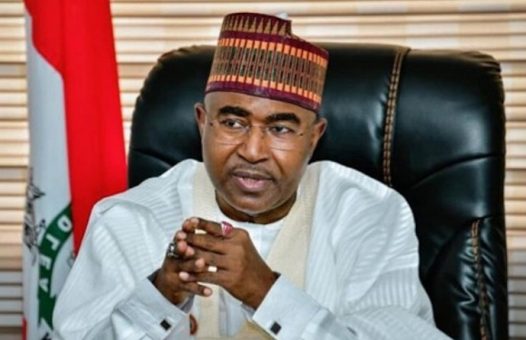
The NDLEA deserves commendation for pulling off the operation. President Bola Tinubu was right to praise the agency and its Chairman/Chief Executive Officer, Brig Gen, Mohammed Buba Marwa (retd), for the breakthrough. The discovery of such a massive amphetamine production hub in a secluded forest underscores both the courage of the operatives and the gravity of the danger confronting the country.
Yet, beyond the headlines and applause lies a disturbing question: how many more such factories are hidden across Nigeria’s forests, border communities, creeks and isolated settlements? If a cartel could establish a N480 billion drug facility undetected, then the narcotics trade in Nigeria is deeper, richer and more organised than many imagine. This must not continue.
The Mexican connection is especially troubling. Mexican drug syndicates are globally notorious for their ruthless operations and expertise in synthetic drug production. Their presence in Nigeria suggests that international cartels increasingly see the country not merely as a transit route for narcotics but as a profitable production and consumption market. That should alarm every Nigerian. It raises serious concerns about transnational organised crime, corruption, porous borders and weak local surveillance systems.
The truth is that Nigeria already has a vast domestic market for illicit drugs. According to the United Nations Office on Drugs and Crime (UNODC) and the National Bureau of Statistics (NBS), Nigeria’s drug use prevalence stands at 14.4 per cent — nearly three times the global average of 5.6 per cent. About 14.3 million Nigerians between the ages of 15 and 64 reportedly used drugs within the past year. About 20 per cent of these users, nearly three million people, are said to suffer from drug-related disorders requiring treatment.
Drug use is widespread across the country, from remote villages to the city centres, and from hotels to lounges and bars, and even on the streets. Disturbing videos abound of school-age children involved in drug use. This must be curbed. The implications are devastating. Hard drugs are destroying lives, families and communities. Addiction fuels armed robbery, cultism, rape, banditry, terrorism and other violent crimes. Drug abuse weakens productivity, damages mental health and imposes enormous healthcare and security costs on the economy. Many promising young Nigerians are losing their future to addiction. Countless others have died from overdoses, drug-induced violence or diseases linked to injection drug use, including HIV. Nigeria must reverse this haunting trend.
Other News
The economic losses are incalculable. A country already battling unemployment, poverty and insecurity cannot afford to lose millions of young people to narcotics. Drug abuse drains family incomes, reduces workplace efficiency and burdens hospitals, prisons and rehabilitation centres.
The response, therefore, cannot be limited to arrests and seizures alone. Nigeria needs a sustained national mobilisation against drug abuse and trafficking. Encouragingly, a day after announcing the Ogun forest operation, Marwa launched the NDLEA radio station as part of efforts to reverse the dangerous pop culture glamourising drug use. This is a commendable initiative. Popular music, social media and street culture increasingly normalise narcotics among impressionable youths. Countering that trend requires aggressive public education.
Families must play a stronger role. Parents should monitor their children more closely and openly discuss the dangers of substance abuse. Schools, beginning from the primary level, should incorporate drug education into their curriculum. The National Orientation Agency should intensify campaigns through billboards, television, radio and digital platforms. Religious institutions must also join the fight against the consumption of illicit drugs by consistently preaching against drug abuse and supporting rehabilitation efforts.
At the same time, the authorities must go after the real kingpins. Too often, drug couriers and street peddlers are arrested while the cartel leaders remain untouchable, living lavishly on blood money. The barons behind these criminal networks must be identified, prosecuted and subjected to the stiffest penalties allowed by law. Financial investigations should trace and confiscate assets linked to narcotics trafficking. Nigeria’s anti-drug war will achieve little if only the foot soldiers are punished.
The Ogun forest discovery should serve as a national wake-up call. Hard drugs kill dreams, destroy families and weaken nations. The NDLEA has struck an important blow, but the larger war is only beginning.