Follow Us on Google
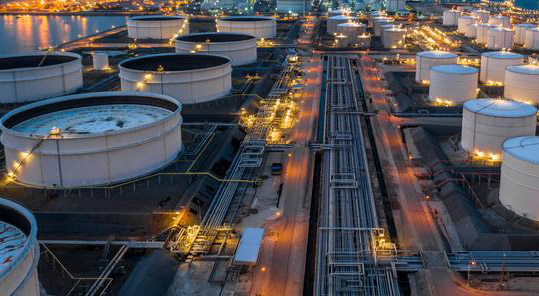
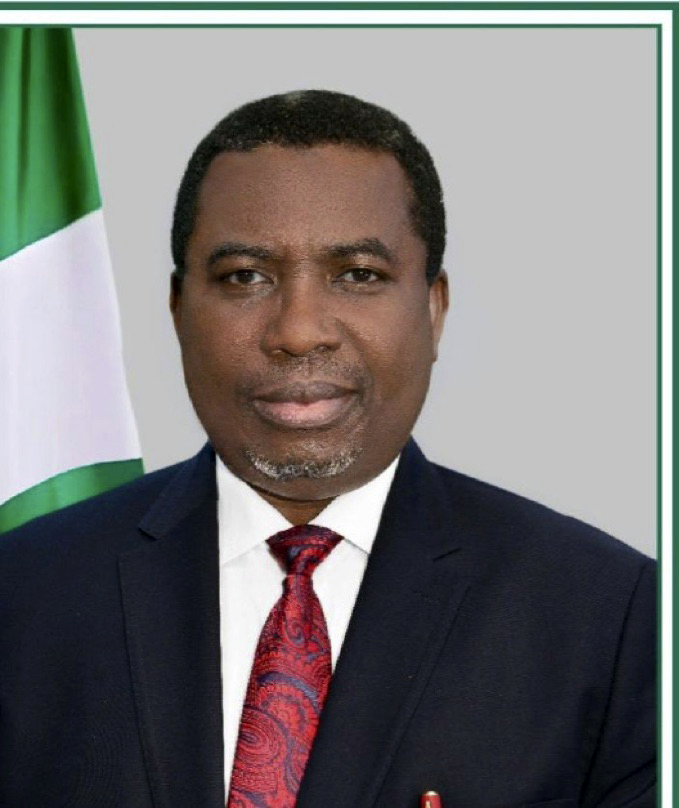
The Nigeria Extractive Industries Transparency Initiative (NEITI) has revealed that Nigeria requires not less than $20 billion annually to bridge the nation’s gas infrastructure gap. The Executive Secretary of the agency, Dr. Orji Ogbonnaya Orji, disclosed this at a policy dialogue on ‘Nigeria’s Decade of Gas Plan,’ organised by the African Initiative for Transparency, Accountability and Responsible Leadership (AfriTal) and Natural Resource Governance Institute (NRGI), in Abuja.
Currently, Nigeria has the largest gas reserves in Africa, put at 209 trillion standard cubic feet (scf) and the 9th largest globally. But, the country is yet to benefit from its enormous gas reserves. Sadly, Nigeria lost N150billion between January and April 2023 to gas flaring. The country has about 178 identified gas flaring sites. Therefore, it has become necessary for the government to initiate a national gas utilisation policy. Consequently, President Bola Tinubu has promised that his administration will utilise Nigeria’s massive gas resources to put the economy on the path of accelerated growth. The President stated this when he received the Board and Management of the Nigeria Liquefied Natural Gas (NLNG) Limited at the Presidential Villa. He assured the officials of the NLNG that the government will address all the encumbrances to the progress and development of the oil and gas sector and create more opportunities for Nigerian companies and international partners to thrive.
With the creation of a new oil and gas ministry, the expectations are high that Nigeria will soon reap bountifully from its vast gas resources. However, the nagging issue of trust between investors and the host communities is still a major problem that will be addressed quickly before the gas infrastructure deficit will be bridged. All stakeholders in the sector should be included in the entire process considering the fact that the NLNG alone contributes over $1billion as tax revenue to the federation account annually.
For the gas utilisation policy to work, there should be a deliberate effort to make enormous investments that will address the gas infrastructure gap. This will, among other things, include specific connectivity across upstream facilities towards processing power plants and other uses. Besides, given the decline in fossil fuel investment landscape, clarity is required of the infrastructure to be prioritised. Putting the right policies in place will send strong signals to investors that the federal government is ready to bridge the gas infrastructure deficit. In this regard, the starting point will be to address the perennial problem of gas flaring. Recent figures point to the fact that oil majors in Nigeria had, in the last four years alone, flared 1.2 trillion scf of gas into the atmosphere, and about 95.5 million tonnes of carbon dioxide (C02) worth about $6.3billion within the last four years. This, experts say, can generate 179.9 thousand Gigawatts of electricity (GWh). The CO2, methane, and soot released due to gas flaring, according to the World Health Organisation (WHO), have been proven to be capable of causing cancer, lung damage, deformities in children, asthma, pneumonia, neurological and reproductive problems as well as environmental challenges, which could stall agricultural productivity as well as aquatic and wildlife lives.
According to the National Oil Spill Detection and Regulatory Agency (NOSDRA), a federal government-run satellite tracker, over 1.8 billion scf of gas had been flared in the last nine years (2011-2020). The penalty for this amounts to about $3.6billion. Currently, Nigeria is ranked as one of the global hotspots for gas flaring. The country equally accounts for 12.5 per cent of total flared natural gas in the world. Though some of the oil companies in Nigeria had at some point pledged their commitment to environmental sustainability and climate change, they are yet to deliver on that promise, even though marginal reductions in gas flaring have been recorded.
Therefore, it has become expedient for the National Assembly to urgently strengthen all relevant regulations guiding gas flaring. It is sad that some of the oil companies are taking advantage of the weak regulatory oversight and pervasive corruption in the oil and gas industry to continue gas flaring at the detriment of lives, the economy and the environment.
With more stringent measures, we believe that the menace will be eliminated or reduced to the barest minimum. With effective implementation of the national oil and gas industry roadmap, the country will witness a vast gas infrastructural development in the next few years that will encourage vibrant partnership between local and foreign investors and create jobs for the youths.