Follow Us on Google
From Scholastica Hir, Makurdi
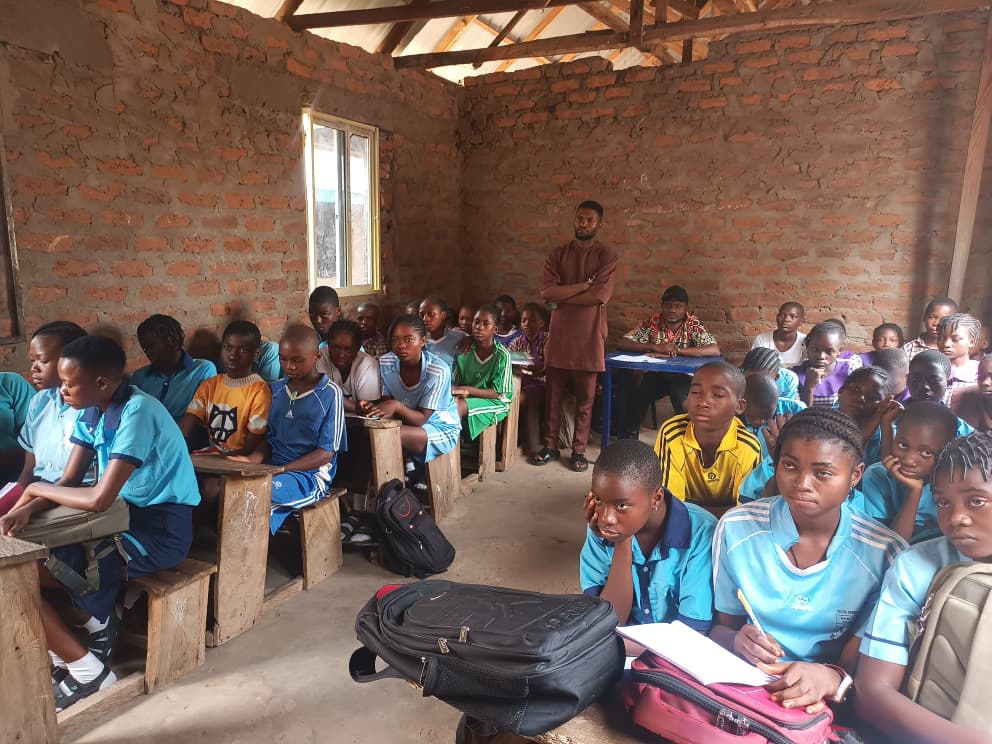
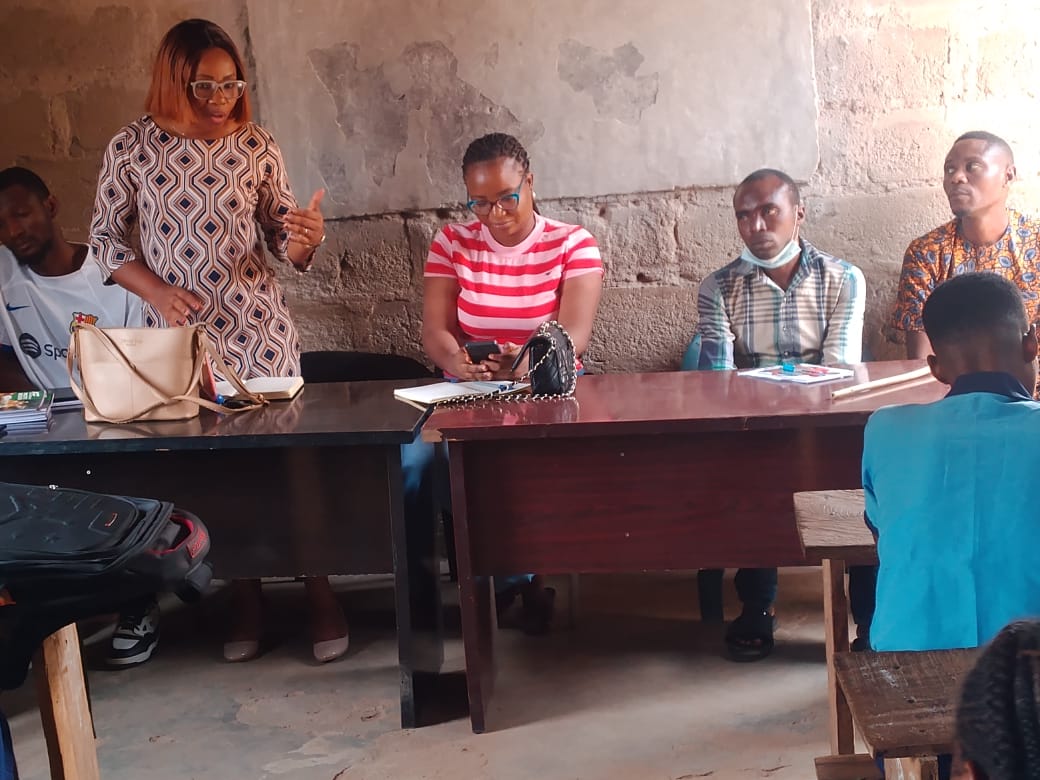
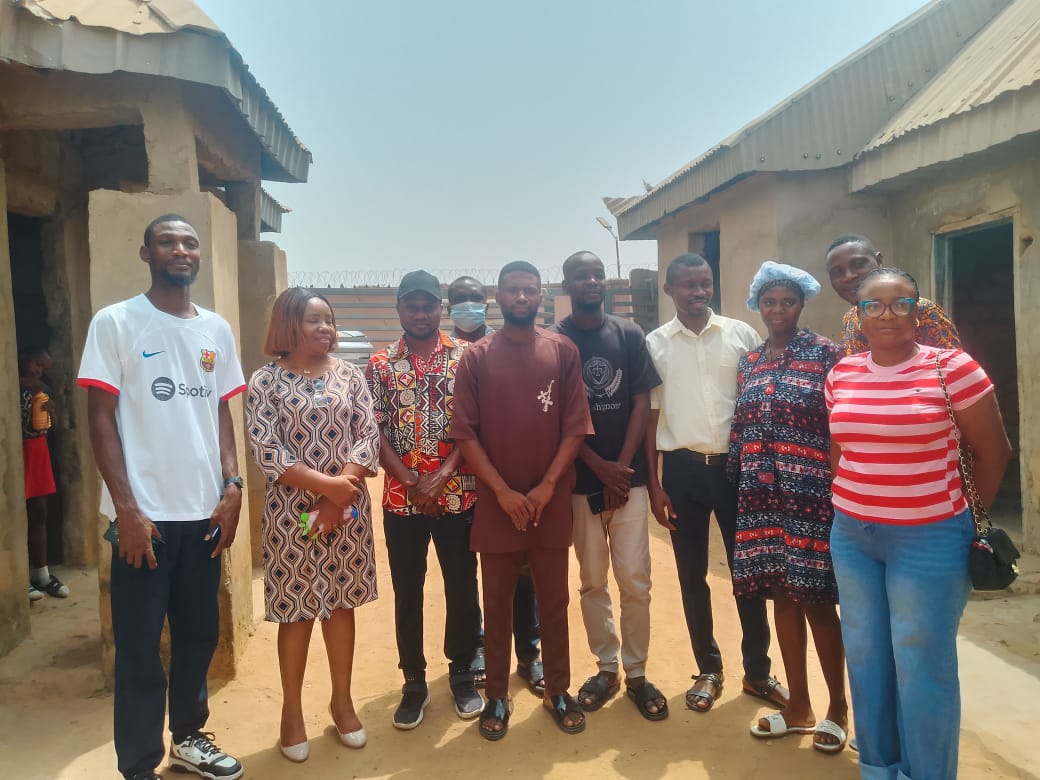
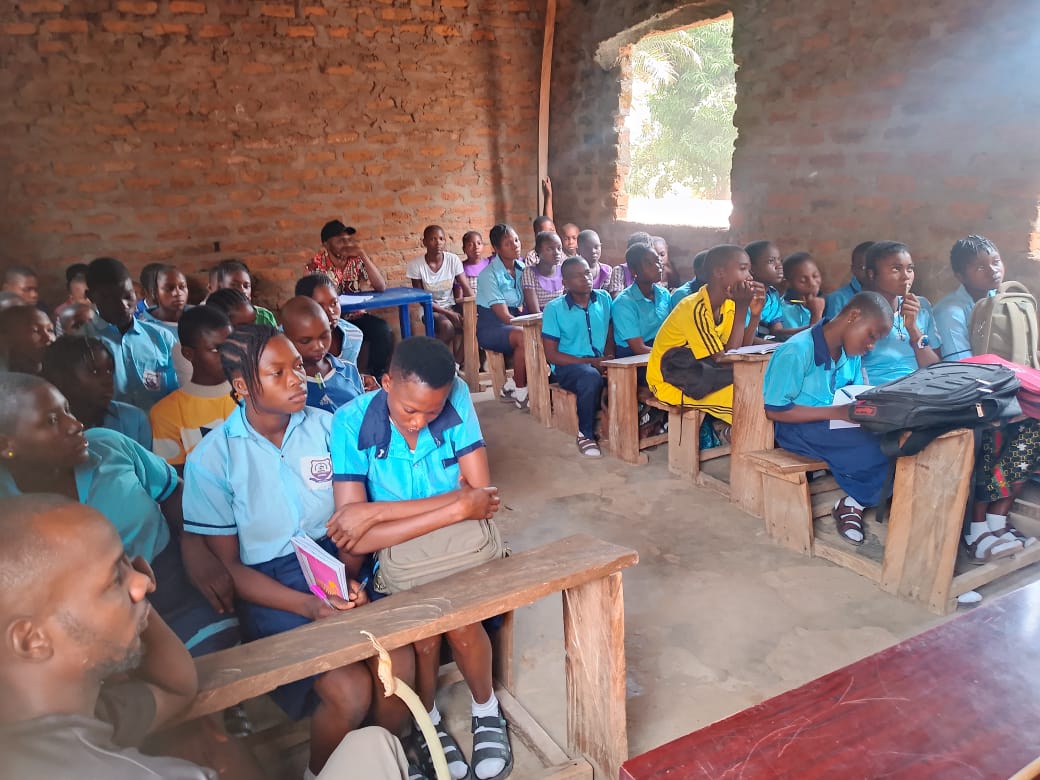
On a warm afternoon in the North Bank area of Makurdi, the Benue State capital, a classroom filled with teenagers sat unusually quiet. The event was a school advocacy visit and sensitisation on Sexual and Gender-Based Violence (SGBV) carried out by members of the Benue State Fellows for “Strengthening Community Journalism and Human Rights Advocacy in Northern Nigeria” (SCOJA) Fellowship.
When the team lead, Paul Okwori, asked the students if anyone had ever heard the term Sexual and Gender-Based Violence (SGBV), the room fell into an uneasy silence. Not a single hand went up. No one spoke.
The students were taken through what SGBV is, the forms it takes, and how and where to report it, while the teachers were briefed on reporting pathways and support systems for students.
For many of the 42 students gathered that day at Young Care Bright Star Learning Academy, the conversation that followed would be the first time they heard that abuse, harassment, and unwanted touching had names, and that speaking about them was not something to be ashamed of.
“I thought these things were just something girls had to endure,” said 15-year-old Grace (not her real name), one of the students who attended the session. “Nobody ever explained to us that it was wrong or that we could report it. We didn’t also know there are people out there that we can go to.”
Grace’s experience reflects a broader reality across most schools in Benue State, where awareness of Sexual and Gender-Based Violence remains critically low among young people.
The intervention by fellows of the Strengthening Community Journalism and Human Rights Advocacy in Northern Nigeria (SCOJA) programme revealed just how deep the knowledge gap runs. Before their awareness sessions began in two schools in North Bank, Makurdi, nearly all participating students had little or no understanding of SGBV.
The silence was not limited to students; teachers themselves often lacked clear knowledge of how to identify abuse or where to report it.
“We discovered that many educators were unsure about the reporting process,” said Paul Michael Okwori, the Benue State team lead of the project.
At one of the schools, a teacher remarked, “Without that knowledge, even when signs of abuse appear, there’s uncertainty about what to do next.”
Between February and April 2026, the SCOJA fellows carried out school sensitisation sessions, teacher training, and media advocacy campaigns aimed at breaking this cycle of silence. Their programme reached 267 students, 14 teachers, and an estimated 17,000 radio listeners through talk show programmes in Makurdi.
What they found inside classrooms was revealing. At first, students were hesitant to participate in discussions about abuse and sexuality, reflecting deep cultural taboos that discourage young people from speaking openly about such issues. However, once facilitators assured them the space was safe and confidential, the mood began to change.
Other News
The students asked questions freely and spoke their minds on SGBV issues. They wanted to know what counted as harassment and who they could talk to if someone touched them inappropriately. Some asked whether teachers could help them report abuse occurring at home or within the community.
Another student, whose name has been withheld, said, “After the session, I realised that some things we used to joke about among friends are actually serious. Now I also know that if something happens, I can report it to my teachers and my parents.”
The sessions also uncovered an important reality: many students feel more comfortable discussing sensitive reproductive health issues with female educators. In fact, about 69 per cent of students surveyed expressed this preference, highlighting the need for gender-sensitive teaching approaches in schools.
For teachers like Mrs Angela Aondohemba, one of the educators who participated in the training sessions, the experience was eye-opening.
She said, “I have taught for years, but nobody ever trained us specifically on identifying or responding to gender-based violence. Now I understand the signs to look for and the importance of creating a safe environment for students.”
By the end of the intervention, the transformation was clear. Students who initially knew nothing about SGBV could explain what it meant and outline steps for reporting abuse. The schools also pledged to strengthen internal reporting systems and collaborate with neighbouring institutions on child protection efforts.
Yet, the initiative also exposed significant systemic gaps. Most schools in the state still lack formal structures for reporting abuse. SGBV education is not embedded in school curricula, and coordination between schools and government agencies remains weak. Advocates say these gaps leave many children vulnerable.
During his facilitation, Okwori said, “Schools should be the safest places for children. But without awareness, policies, and reporting mechanisms, many cases remain hidden.”
For Grace and many of her classmates, however, the conversation has already begun to change perspectives.
“We used to keep quiet because we didn’t know better. We thought it was a shameful thing to talk about, a taboo to even say you were raped. We have seen girls being blamed and shamed for allowing it happen,” she said softly after the session. “Now we know our voices matter. It is also a relief to know that when we report SGBV cases, offenders can be punished.”
As policymakers in Benue consider recommendations from the project—including integrating SGBV education into school curricula and strengthening reporting systems—the hope is that more classrooms will transform from spaces of silence into places where students feel safe to speak, learn, and seek help.
This is because sometimes, the first step toward protecting children begins with something as simple and powerful as a conversation.
Other SCOJA fellows who participated in the sensitisation include Helen Odisi, Hope Abah, Linus Egwu, Terwase Lawrence, and Scholastica Hir.